ट्यारिफको छलावा: अमेरिकी मतदाताले कहिले बुझ्ने?
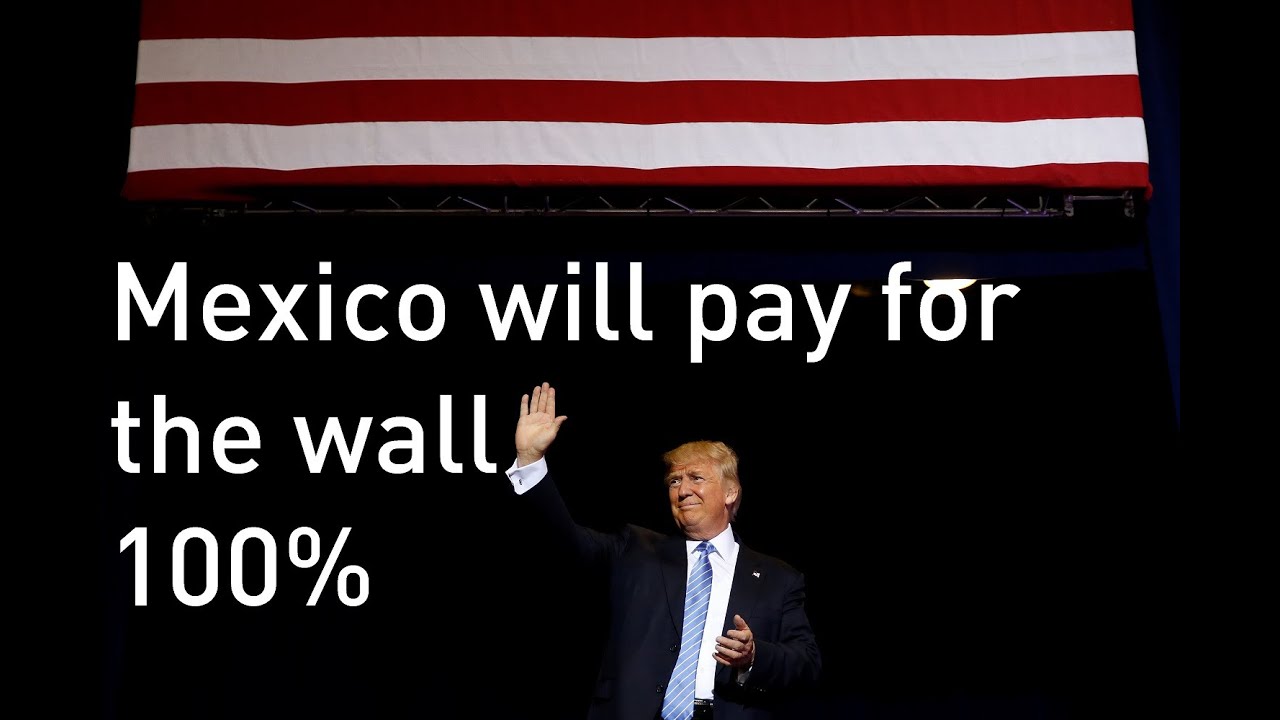
राष्ट्रपति ट्रम्प र उनका सहयोगीहरूले जब भन्छन् कि विदेशी मुलुकहरूले ट्यारिफ तिरेका छन्, उनीहरूले वास्तवमै राजनीतिक भ्रम फैलाइरहेका हुन्छन्, ठीक त्यस्तै जसरी कहिल्यै भनिएको थियो—“मेक्सिकोले पर्खालको लागि तिर्छ।” वास्तविकता बिल्कुलै फरक छ: ट्यारिफ अमेरिकी सीमामा उठाइने कर हुन्, जुन अमेरिकी आयातकर्ताले तिर्छन् र त्यसको लागत अन्ततः उपभोक्तामा सारिन्छ।
अन्ततः, ट्यारिफ भनेको बिक्री करकै अर्को रूप हो—फरक यत्ति मात्र हो कि यो रसीदमा प्रष्ट लेखिँदैन, आपूर्ति शृंखलाका जटिलताभित्र लुकेको हुन्छ।
झूटको वास्तविकता
जब ट्यारिफ लगाइन्छ, यू.एस. कस्टम्स र बर्डर प्रोटेक्शनले सीधै अमेरिकी आयातकर्ता कम्पनीबाट शुल्क उठाउँछ। यदि कुनै खुद्रा व्यापारीले चीनबाट इलेक्ट्रोनिक्स वा भारतबाट कपडा ल्याउँछ भने, ट्यारिफ त्यसमा थपिन्छ। कम्पनीहरूले यसलाई आफ्नै घाटा मानेर कहिल्यै पनि बोक्दैनन्। बरु उपभोक्ताले तिर्ने गरी मूल्य बढाइन्छ।
त्यसैले जब अधिकारीहरूले दाबी गर्छन् कि चीन, भारत वा युरोपले बिल तिरेका छन्, हकीकत भनेको अमेरिकी परिवारहरूले नै बोकेको हो—चुपचाप, अदृश्य रूपमा, हरेक किराना किनमेल र अनलाइन अर्डरसँगै।
मतदाताले कहिले देख्छन्?
यो धोखाधडी छोटो अवधिसम्म राजनीतिक रूपमा काम गर्छ किनभने ट्यारिफ आयकरजस्तै घरमै बिल बनाएर आउँदैन। मतदाताले कहिल्यै पत्र पाउँदैनन् जसमा लेखिएको होस्: “तपाईंले यस वर्ष यति ट्यारिफ तिरे।” बरु, यो पीडा बिस्तारै महँगो सामानको रूपमा आउँछ—जूता, स्मार्टफोन, घरेलु उपकरणदेखि लिएर कारसम्म।
तर महँगाई टिकाउ हुन्छ। दैनिक जीवनका आवश्यक वस्तुहरूमा मूल्य बढ्दै गएपछि मतदाताले अन्ततः कुरा जोड्छन्। अर्थशास्त्रीहरूले लामो समयदेखि चेतावनी दिएका छन् कि ट्यारिफ प्रतिगामी (regressive) हुन्छन्—यसको असर निम्न र मध्यम आय भएका परिवारहरूमा बढी पर्छ, किनभने उनीहरूले आफ्नो आम्दानीको ठूलो हिस्सा वस्तुहरूमा खर्च गर्छन्, सेवामा होइन।
राजनीतिक प्रश्न के उनीहरू बुझ्छन् भन्ने होइन, कहिले बुझ्छन् भन्ने हो।
वृद्धिको दुश्मनका रूपमा ट्यारिफ
अर्को अनदेखिएको सत्य के हो भने ट्यारिफ, जसले लुकेर बिक्री करको काम गर्छ, स्वभावैले वृद्धि-विरोधी हुन्छन्। यी बजारलाई विकृत गर्छन्, लगानीलाई हतोत्साहित गर्छन्, र उपभोक्ता खर्चलाई ढिलो पार्छन्। इतिहासले यसलाई प्रमाणित गरेको छ: १९३० को दशकको स्मूट-हाउली ट्यारिफदेखि हालका व्यापार युद्धसम्म, संरक्षणवादी नीतिहरूले सधैं आर्थिक गतिविधि घटाएका छन्।
तर्क सजिलो छ। मूल्य बढ्यो भने उपभोक्ताले कम किन्छन्। माग घट्यो भने व्यवसायहरूले उत्पादन घटाउँछन्, रोजगारी कम हुन्छ, र अर्थतन्त्र सुस्त हुन्छ। जहाँ अमेरिकी वृद्धि पहिले नै उदीयमान अर्थतन्त्रहरू भन्दा सुस्त छ, त्यहाँ ट्यारिफको अतिरिक्त बोझ अझै हानिकारक हुन सक्छ।
आउँदै गरेको हिसाब
ट्यारिफको यो छलावा छोटो अवधिको राजनीतिक नाटकका लागि त काम लाग्ला—“चीनलाई तिराउने” वा “अमेरिकी मजदुरको रक्षा गर्ने” जस्ता नारा बनाउनका लागि। तर यो जति लामो चल्छ, उपभोक्ताको जेबमा त्यति नै ठूलो बोझ पर्छ। जब नक्कली आवरण फाट्छ, ट्यारिफ आफ्नो वास्तविक रुपमै देखिन्छ—अमेरिकी परिवारमाथि लुकाइएको कर, वृद्धिमा ब्रेक, र अन्ततः मतदातामा मोहभंग।
अब बाँकी अनुत्तरित प्रश्न भनेको: औसत अमेरिकी मतदाताले कहिले आँखा खोल्ने र यो bluff लाई चिन्न सक्ने?

ट्यारिफको छलावा: अमेरिकी परिवारका लागि जब बिल आउँछ
वर्षौंदेखि अमेरिकी नेताहरूले मतदातालाई सुनाउँदै आएका छन् कि ट्यारिफ भनेको “विदेशी देशहरूबाट तिराइने कर” हो। यो कथा सरल छ, सुन्न आकर्षक पनि, तर पूर्णतः गलत। ट्यारिफ चीन, भारत वा युरोपेली संघले तिरेका हुँदैनन्। यी त अमेरिकी आयातकर्ताले सीमा पार गर्दा तिर्ने शुल्क हुन्, जसलाई उनीहरूले उत्पादनको मूल्य बढाएर उपभोक्ताबाट उठाउँछन्। वास्तविकतामा, ट्यारिफ भनेको अमेरिकी परिवारमाथि थोपरिएको लुकेको कर हो।
तथ्याङ्क के भन्छन्
घरेलु असर
कङ्ग्रेसनल बजेट अफिस (CBO) र स्वतन्त्र अर्थशास्त्रीहरूको अनुमानअनुसार २०१८–२०२० को ट्यारिफ युद्धका समयमा अमेरिकी परिवारहरूले वार्षिक ८०० देखि १,३०० डलर अतिरिक्त तिर्नुपर्यो। ट्रम्पको २०२५ को नयाँ ट्यारिफ नीति—जसले अब सयौँ अर्ब डलर बराबरको सामानलाई ढाकेको छ—संगै परिवारहरूको लागत अझ बढ्ने अनुमान छ, र प्रति परिवार १,५०० डलर वार्षिक नाघ्न सक्छ।
यसको तरिका सरल छ:
-
$1,000 को वाशिङ मेसिनमा २५% ट्यारिफ → $250 थप।
-
स्मार्टफोन वा ल्यापटप जस्ता इलेक्ट्रोनिक्समा १०% ट्यारिफ → $50–$100 थप।
-
कपडा र जुत्ता, जुन एशियाबाट ठूलो मात्रामा आयात हुन्छन्, १५–२०% सम्म महँगो भएका छन्।
समयसँगै, यी लागतहरू दैनिक खर्चमा मिसिन्छन्। आयकर प्रगतिशील (progressive) हुन्छ, तर ट्यारिफ प्रतिगामी (regressive)—यसले कम आम्दानी भएका परिवारहरूलाई बढी चोट पुर्याउँछ, किनभने उनीहरूले आफ्नो आम्दानीको ठूलो हिस्सा वस्तुहरूमा खर्च गर्छन्, सेवामा होइन।
व्यापक आर्थिक असर
अर्थशास्त्रीहरूले अनुमान गरेका छन् कि २०१८–२०१९ को ट्यारिफ युद्धले अमेरिकी GDP वृद्धिलाई वार्षिक ०.३–०.५ प्रतिशत अंकले घटाएको थियो। यो सानो देखिन सक्छ, तर सुस्त गतिमा बढिरहेको अर्थतन्त्रमा यही विस्तार र ठहरावबीचको भिन्नता हो।
पीटरसन इन्स्टिच्युट फर इन्टरनेशनल इकोनोमिक्सको हिसाबले २०१८ देखि २०२० बीच लगाइएका ट्यारिफहरूले अमेरिकी अर्थतन्त्रलाई हरेक वर्ष करिब ८० अर्ब डलर बराबरको उत्पादन घाटा पुर्यायो। २०२५ को नयाँ ट्यारिफ व्यवस्था, जसले मित्र राष्ट्रहरू र प्रतिस्पर्धी दुवैबाट हुने आयातलाई लक्षित गरेको छ, त्यस्तै वा अझ ठूलो झटका दिन सक्ने चेतावनी दिइएको छ।
समीकरण सजिलो छ:
-
उच्च ट्यारिफ → उच्च मूल्य → कमजोर उपभोक्ता माग।
-
कमजोर माग → सुस्त वृद्धि → खुद्रा, यातायातदेखि रोजगारीसम्म असर।
राजनीतिक परिणाम
“चीन तिरेको छ” भन्ने भ्रम केही समय राजनीतिक कवचको रूपमा काम गर्छ। तर उपभोक्ताले दैनिक आवश्यक वस्तुहरू—किराना, कपडा, घरेलु सामग्री—मा बढेको मूल्य महसुस गर्नासाथ यो कथा ढल्छ। घाटा वा प्रतिबन्धजस्ता बहसहरू अमूर्त लाग्न सक्छन्, तर उपभोक्ता लागतमा वृद्धि प्रत्यक्ष, व्यक्तिगत र राजनीतिक रूपमा विस्फोटक हुन्छ।
मुख्य प्रश्न समयको हो। मतदाताले ट्यारिफ र आफ्नो खर्चबीच सम्बन्ध कति चाँडो देख्छन्? अघिल्ला ट्यारिफ युद्धका बेला सर्वेक्षणहरूले देखाएको थियो कि मतदाता सशंकित थिए तर अलमलमा। २०२५ मा, जब महँगाइको पीडा अझै ताजा छ, सहनशीलता धेरै लामो समय टिक्न सक्ने छैन।
आउँदै गरेको हिसाब
ट्यारिफ मूलतः सीमा पार गर्दा लगाइने बिक्री कर हुन्, जसलाई राष्ट्रवादी भाषणमा सजाएर प्रस्तुत गरिएको छ। यीले वृद्धि घटाउँछन्, लागत बढाउँछन् र कामकाजी परिवारलाई बढी मार पर्छ। यदि इतिहासलाई आधार मानियो भने, राजनीतिक असर अपरिहार्य छ।
अन्ततः, अमेरिकी जनताले सम्झने कुरा यो हुने छैन कि ट्यारिफ युद्धमा “कसले जित्यो।” उनीहरूले सम्झने कुरा हुने छ—चेकआउट काउन्टरमा कति बढी तिर्नुपर्यो, र त्यसको बदलामा कति थोरै फाइदा भयो।
It’s time to unmask the Trump tariffs for what they really are: A giant national sales tax that will hobble U.S. economic growth Buckle up, Americans. You’ve just been ambushed by a federal money grab that this nation hasn’t witnessed in recent history, the equivalent of a national sales tax—branded under another name. This version’s a giant revenue raiser that deficit-ridden Washington is likely to get hooked on. In fact, it’s looking more and more like America’s answer to Europe’s fatal attraction that’s long been the leading enabler for the region’s extremely high levels of government spending: the value-added tax—the VAT. As I’m sure you’ve guessed by now, we’re talking about the Trump tariffs. And you can forget about foreigners picking up the tab for the tariffs. It’s Americans who will. .......... According to a wide range of forecasts, this new nationwide sales levy will yank back from consumers’ wallets about half the projected tax savings from the One Big Beautiful Bill’s extension of the 2017 Trump tax cuts. ........... These taxes come in two forms: A few nations, including Pakistan and Myanmar, deploy a simple countrywide tax similar to America’s state sales taxes. But the most common type by far is the value-added system imposed in stages at each level of production. It’s a bedrock of the regimes in France, Germany, and virtually every other EU country. The VAT is a formidable revenue generator that has fueled government spending in Europe and imposed a huge drag on its nations’ growth. ......... The U.S. is highly unusual in that it’s never had a VAT or in the postwar era, anything resembling a major national sales tax. This stand-alone status in shunning the former likely explains why America’s federal spending stands at least 10 percentage points lower as a share of GDP than the lions of Europe. But the Trump tariffs mark a historic shift to an effective national sales tax. By employing huge tariffs, Uncle Sam is embracing a tax that’s virtually never been used at remotely this scale by any other major economy in recent history. .......... Although tariffs were an important source of federal funding from the 1880s to just after World War II, they’ve amounted to a relatively small portion of U.S. federal receipts ever since. In 2024, even though the Biden administration retained most of the tariffs from Trump’s first term, the average U.S. tariff ran at just 2.5%, raising only $77 billion, or around 1.6% of all federal tax proceeds. .......... They’re collected at U.S. ports of entry by the U.S. Customs and Border Protection agency and are paid entirely by American importers. Under the Trump plan, the rates vary greatly even for the same goods, depending on what country they’re arriving from. On aluminum and steel, we’re charging Canada 50% and the U.K. “just” 25%. Typically, importers tack the tariff cost onto the price of their products in auto showrooms, grocery chains, and megastores. Hence, they raise the bill for American consumers at checkout counters. .......... Tariffs are “indirect” taxes embedded in retail prices, like VATs, and are not added at checkout. Sales taxes, on the other hand, are tacked on at the point of sale and visible on receipts, and usually spark outrage when they are increased. A danger of tariffs is that they could become a VAT-like way to hike taxes on the sly. ......... All told, according to the Budget Lab at Yale, the Trump administration has raised the average effective tariff rate to 18.6% for Americans. This towering figure is approaching the devastating 19.8% rate imposed by the Smoot-Hawley Tariff Act of 1930, a notorious measure that helped sink the U.S. economy during the Great Depression. ............ According to the nonpartisan Tax Foundation, by the end of 2025, the run rate is predicted to be $210 billion annually. That’s a big number. It equates to over 9% of personal income taxes and 40% of corporate taxes paid in 2024. According to the Budget Lab at Yale, the Trump tariffs will lift a total of $2.7 trillion from Americans’ pockets through 2034. ......


No comments:
Post a Comment