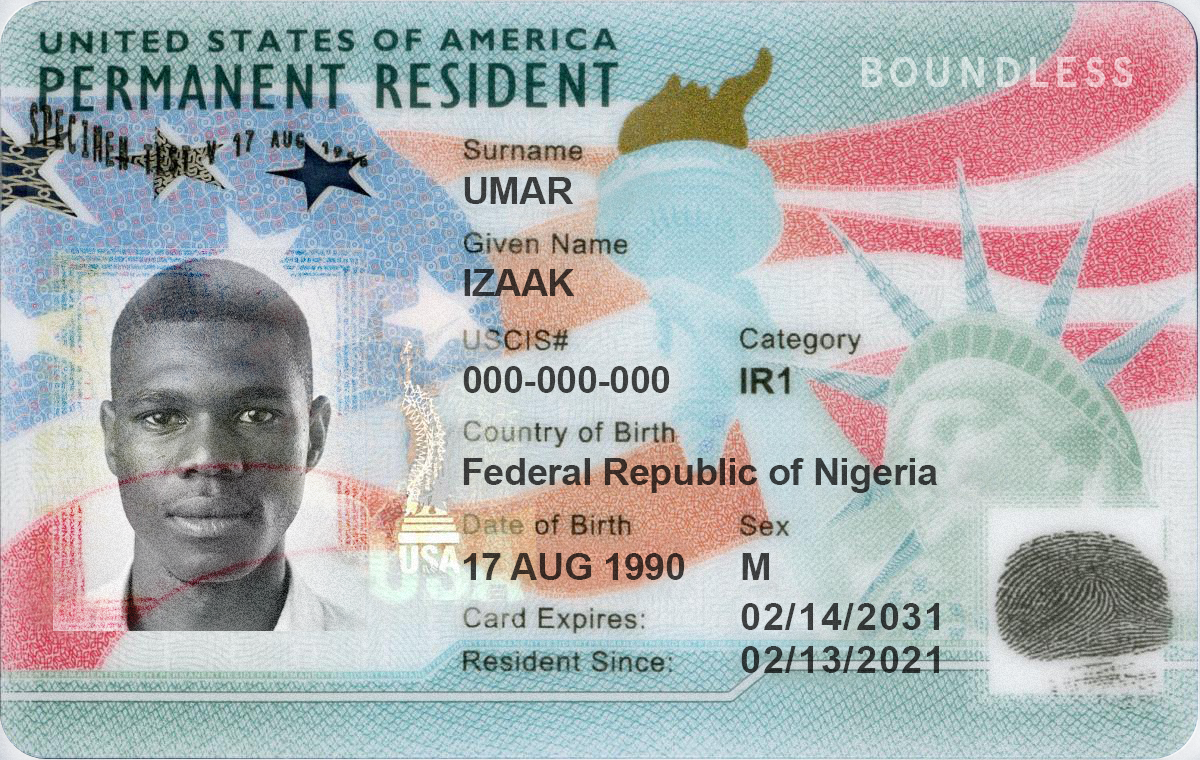
Adjustment of Status Through Marriage to a U.S. Citizen
Yes—if you are out of status in the United States (for example, because you overstayed a visa) but originally entered lawfully—meaning you were inspected and admitted or paroled by a U.S. immigration officer—you may still be eligible to apply for adjustment of status (a green card) after marrying a U.S. citizen.
This is because spouses of U.S. citizens fall into the “immediate relative” category under U.S. immigration law, which provides unique flexibilities. By contrast, if you entered without inspection (for example, by crossing the border unlawfully), you generally cannot adjust status from within the U.S. unless you qualify for limited exceptions, such as eligibility under INA §245(i) or by obtaining a waiver of inadmissibility.
Eligibility and Application Process
-
Filing the Applications
-
Your U.S. citizen spouse files Form I-130 (Petition for Alien Relative).
-
You file Form I-485 (Application to Register Permanent Residence or Adjust Status) either at the same time (concurrently) or once the I-130 is approved.
-
Because immediate relatives are exempt from visa caps and priority date backlogs, there is no waiting list for a visa number.
-
Importantly, overstaying a visa does not automatically prevent adjustment for immediate relatives, provided you have not departed the U.S. and triggered the 3-year or 10-year unlawful presence bars.
-
-
Requirements
-
You must be otherwise admissible to the U.S., or qualify for a waiver of inadmissibility (for example, through Form I-601).
-
You must demonstrate a bona fide marriage through joint financial records, photos, affidavits, and other evidence.
-
You will be scheduled for biometrics (fingerprinting) and, in most cases, an in-person interview with USCIS.
-
Typical processing times for spousal adjustment cases are 8–12 months, although this can vary depending on the field office.
-
-
Potential Issues
-
If you have ever left the U.S. after accruing unlawful presence (more than 180 days), you may trigger a 3- or 10-year bar on re-entry, which complicates adjustment.
-
If the marriage is found to be fraudulent or entered solely for immigration benefits, the application will be denied and could result in removal proceedings.
-
Past criminal history or immigration violations (such as misrepresentation) can also make you inadmissible.
-
Work Authorization
-
While your I-485 is pending, you can apply for Form I-765 (Application for Employment Authorization) at no extra cost if submitted with the I-485.
-
If approved, you will receive an Employment Authorization Document (EAD), allowing you to work legally in the U.S.
-
Processing times for EADs are generally 2–6 months.
Obtaining the Green Card
-
If USCIS approves your application, you will receive a green card (lawful permanent resident status).
-
If the marriage is less than two years old at the time of approval, the card will be conditional and valid for two years. You and your spouse must later file Form I-751 (Petition to Remove Conditions) to obtain a 10-year card.
-
If the marriage is more than two years old, USCIS will issue a 10-year green card immediately.
Key Takeaways
-
Entering lawfully, even if later out of status, provides a major benefit for spouses of U.S. citizens.
-
Overstays are forgiven for immediate relatives, but unauthorized entry without inspection usually blocks adjustment unless special provisions apply.
-
Marriage-based adjustment is one of the more straightforward green card pathways, but pitfalls exist—particularly regarding unlawful presence, criminal history, or the genuineness of the marriage.
For official guidance, visit USCIS.gov or consult a qualified immigration attorney.
Disclaimer: This information is for educational purposes only. It is not legal advice. Immigration law is complex, and individual outcomes depend on your personal circumstances.
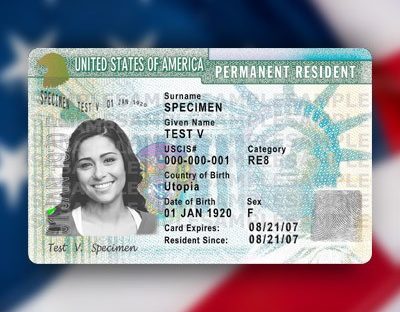
✅ Marriage-Based Green Card (Adjustment of Status) Checklist
Step 1: Confirm Eligibility
-
You entered the U.S. lawfully (with inspection and admission or parole).
-
You are married to a U.S. citizen (and can provide a valid marriage certificate).
-
You are not barred from adjusting status due to criminal history, fraud, or other grounds of inadmissibility.
-
If you entered without inspection, check if you qualify for INA §245(i) or a waiver.
Step 2: Gather Required Documents
-
Marriage evidence: Marriage certificate, joint bank accounts, lease/mortgage, utility bills, photos together, affidavits from friends/family.
-
Personal documents: Passport, I-94 arrival/departure record, birth certificate (with certified translation if not in English).
-
U.S. citizen spouse’s proof: Birth certificate, U.S. passport, or naturalization certificate.
-
Proof of lawful entry: Visa stamp or I-94 record.
-
Financial support documents: U.S. citizen spouse must submit Form I-864 (Affidavit of Support) with tax returns, W-2s, pay stubs, or employment letter.
Step 3: File the Applications
-
Form I-130 (Petition for Alien Relative) – filed by your spouse.
-
Form I-485 (Application to Adjust Status) – filed by you.
-
Form I-765 (Application for Work Authorization) – optional, free when filed with I-485.
-
Form I-131 (Advance Parole travel document) – optional, allows international travel while pending.
-
Form I-864 (Affidavit of Support) – required from the sponsoring spouse.
-
Filing fees: Currently about $1,440 (covers I-485 and biometrics). No fee for I-765 or I-131 when filed with I-485.
Step 4: After Filing
-
Receive I-797 receipt notices for all applications.
-
Attend biometrics appointment (fingerprinting).
-
Wait for EAD approval (2–6 months).
-
USCIS may issue a Request for Evidence (RFE) if more documentation is needed.
Step 5: Attend the Marriage Interview
-
Both spouses attend the USCIS interview.
-
Bring originals of all documents, plus updated marriage evidence.
-
Be prepared to answer questions about your relationship (how you met, wedding details, daily life).
Step 6: Green Card Approval
-
If approved:
-
Marriage less than 2 years old → Conditional 2-year green card. File Form I-751 jointly after 2 years to remove conditions.
-
Marriage 2+ years old → Regular 10-year green card.
-
-
If denied: Consider appeal or re-filing with legal assistance.
Step 7: Long-Term Considerations
-
After 3 years as a permanent resident (while married to and living with your U.S. citizen spouse), you may apply for naturalization (citizenship).
-
Keep joint financial, residential, and family evidence updated in case of future reviews (e.g., I-751 petition).
🔑 Pro Tip: Always keep copies of every form and document submitted to USCIS, and maintain an organized immigration file.


No comments:
Post a Comment