नेपालमा जेन जेड क्रान्तिको चुनावी बाटो
नेपालको क्रान्तिकारी मोड
नेपालको जेन जेड क्रान्ति — एक असाधारण युवाद्वारा संचालित जागरण, जसले प्रणालीगत परिवर्तन, भ्रष्टाचारमुक्त शासन, र डिजिटल युगको लोकतन्त्रको माग गर्यो — अहिले एउटा दुई बाटोको मोडमा पुगेको छ।
मूल क्रान्तिकारी रोडम्यापले अन्तरिम संविधान र अन्तरिम प्रधानमन्त्रीको नेतृत्वमा द्रुत संक्रमणको कल्पना गरेको थियो। तर तयारी, संगठन र समन्वयको अभावका कारण त्यो बाटो अस्थायी रूपमा बन्द भएको छ।
हालको अवस्थाले देखाउँछ कि अब एक मात्र व्यावहारिक बाटो भनेको निर्वाचन हो। केही महिनाभित्रै हुन लागेको संसदीय निर्वाचन नै त्यो मैदान हो जहाँ जेन जेड क्रान्तिको भावना सडकबाट संसदसम्म रूपान्तरण हुन सक्छ।
सडकबाट मतपेटीमा: रणनीतिक रूपान्तरण
हरेक क्रान्तिले एउटा स्पष्ट पाठ दिन्छ — आदर्शले होइन, संस्थाले परिवर्तनलाई टिकाउँछ। नेपालका युवाले पुरानो व्यवस्थाका जग हल्लाए, अब उनीहरूलाई प्रणालीभित्रै बसेर नयाँ संरचना बनाउने चुनौती छ।
आगामी कार्य तीनवटा स्तम्भमा आधारित हुनुपर्छ:
-
सबै नयाँ शक्तिहरूलाई एउटै छातामुनि ल्याउने। आन्दोलनमा संलग्न युवा सञ्जाल, नागरिक समूह, पेशेवर र डिजिटल कार्यकर्ताहरूलाई एउटै संगठनात्मक ढाँचामा एकीकृत गर्नुपर्छ, जसले पुराना दलहरूको पहुँच र अनुशासनलाई टक्कर दिन सकोस्।
-
सबैभन्दा सक्षम उम्मेदवारहरू छनोट गर्ने। योग्यता, इमानदारी र पुस्तागत प्रासंगिकतालाई प्राथमिकता दिनुपर्छ। राजनीतिक वंश वा शक्ति होइन, जनताको विश्वास र परिवर्तनप्रतिको प्रतिबद्धता नै मुख्य मापदण्ड हुनुपर्छ।
-
रूपान्तरणकारी घोषणा–पत्र तयार गर्ने। क्रान्तिको मागहरू — नगदविहीन अर्थतन्त्र, राज्यस्वामित्वका बैंकहरू, शून्य ब्याजदर, निःशुल्क शिक्षा र स्वास्थ्य, रोजगारीको ग्यारेन्टी —लाई समेट्ने साझा नीति दस्तावेजले आन्दोलनलाई नैतिक र व्यावहारिक दुवै दिशामा मार्गदर्शन गर्न सक्छ।
प्रतिक्रमणको चेतावनी
तर युवाहरू चुनावी मैदानमा पुनः संगठित भइरहेका बेला पनि प्रतिक्रमणका संकेतहरू देखिन थालेका छन्।
केपी शर्मा ओली र महेश बस्नेत जस्ता नेताहरूको नेतृत्वमा रहेको एमाले हालका कदमहरूले यथास्थिति कायम राख्ने र नियन्त्रणलाई प्राथमिकता दिने संकेत दिइरहेको छ, जसले क्रान्तिको आत्मालाई कमजोर बनाउन सक्छ।
यदि युवाहरूले फेरि महसुस गरे कि तिनका आशाहरू पुरानै राजनीतिले थिचिँदैछ, सडक फेरि तात्न सक्छ। अर्को चरणको विरोध आन्दोलन — अझ ठूला र संगठित रूपमै — देशलाई फेरि अन्तरिम संविधान र अन्तरिम सरकारको बाटोमा लैजान सक्छ, विशेषगरी यदि चुनावले वास्तविक सुधार ल्याउन सकेन भने।
राष्ट्रिय स्वतन्त्र पार्टी (रास्वपा) र नयाँ नेतृत्वको सम्भावना
यस परिस्थितिमा परिवर्तनका लागि सम्भावित नयाँ सवारी रास्वपा (राष्ट्रिय स्वतन्त्र पार्टी) बन्न सक्ने चर्चा छ। नयाँपन र पुरानाविरुद्धको भावनाको कारण यसले जनताको विश्वास पाउन थालेको छ।
यही सन्दर्भमा कुलमान घिसिङ — जसले देशलाई अन्धकारबाट उज्यालोमा ल्याए — सम्भावित एकताका प्रतीकका रूपमा देखा पर्न सक्ने सम्भावना बढ्दैछ। सबै नयाँ अनुहारहरूलाई रास्वपाको छातामुनि ल्याएर चुनावमा उत्रन सक्ने चर्चा व्यापक छ।
यदि यस्तो कदम जेन जेड क्रान्तिका मूल मागहरूमा आधारित भएर उठाइयो भने, यो कदमले जनतामा नयाँ ऊर्जा भर्न सक्छ। योग्यता र इमानदारीमा आधारित नेतृत्वले रास्वपालाई प्रदर्शनकारी आन्दोलनबाट शासकीय विकल्पमा रूपान्तरण गर्न सक्छ।
कल्किवाद अनुसन्धान केन्द्र (KRC) को भूमिका
यो आन्दोलनका नीतिगत मागका लागि आवश्यक बौद्धिक जग पहिले नै तयार छ।
कल्किवाद अनुसन्धान केन्द्र (KRC) — ५० अग्रणी अर्थशास्त्री र नीति विज्ञहरूको समूह —ले विगत केही वर्षमा भ्रष्टाचारमुक्त, समान र आधुनिक अर्थतन्त्रका लागि विस्तृत नीति नक्सा तयार गरिसकेको छ।
तिनको तीनमुख्य स्तम्भ — नगदविहीन अर्थतन्त्र, राज्य स्वामित्वका बैंकहरू, र शून्य ब्याजदर —ले भ्रष्टाचार स्वतः घटाउने र जनसेवामा समान पहुँच सुनिश्चित गर्ने प्रणाली निर्माण गर्छ। यी आर्थिक सुधारका सह–उत्पादका रूपमा निःशुल्क शिक्षा, स्वास्थ्य सेवा र रोजगारीको ग्यारेन्टी सम्भव हुन्छ।
त्यसैले, नयाँ राजनीतिक शक्तिहरू — चाहे रास्वपा होस् वा कुलमान घिसिङको नेतृत्वमा बनाइएको गठबन्धन —ले आफ्नो घोषणापत्र र नीति निर्माणमा KRC सँग साझेदारी गर्नु रणनीतिक रूपमा बुद्धिमानी निर्णय हुनेछ। यसले उनीहरूको आन्दोलनलाई वैचारिक गहिराइ र व्यावहारिक दिशानिर्देश दुवै प्रदान गर्नेछ।
आगामी बाटो
नेपाल अहिले एक नाजुक तर निर्णायक मोडमा छ।
जेन जेड आन्दोलनको क्रान्तिकारी ऊर्जा अझै जीवित छ, तर त्यसको आगामी रूप यसमा निर्भर छ — के यो भावनाबाट संस्थामा, सडकबाट प्रणालीमा, र आन्दोलनबाट शासनमा रूपान्तरण हुन सक्छ?
यदि युवाहरूले एकता कायम गर्न सके — यदि एउटै छातामुनि उनीहरूले सञ्जाल, विज्ञ, र नेतृत्वलाई जोड्न सके — भने २०२५ को निर्वाचन केवल अर्को चुनाव होइन, एक पुस्तागत शान्त क्रान्तिको ऐतिहासिक चरण बन्न सक्छ।
यदि त्यो असफल भयो भने, सडक फेरि तात्न सक्छ।
र त्यसपछिको नारा हुन सक्छ — अन्तरिम संविधान र जनताको सरकार अब ढिलाइ नगर।
जे भए पनि, जेन जेड क्रान्तिले नेपाललाई सधैंका लागि बदलिसकेको छ — अब प्रश्न यति मात्रै छ:
के त्यो परिवर्तन मतपेटीबाट पूरा हुनेछ, वा फेरि सडकबाट?
The Electoral Path to the Gen Z Revolution in Nepal
The Fork in Nepal’s Revolutionary Road
Nepal’s Gen Z Revolution—an extraordinary youth-led awakening demanding systemic change, corruption-free governance, and digital-era democracy—has arrived at a crossroads. The original revolutionary roadmap envisioned an interim constitution and an interim prime minister leading a swift transition toward a new, equitable political order. But the lack of preparation, organization, and coordination among emerging forces has left that path temporarily closed.
As things stand, the only viable path ahead lies through the ballot box. The upcoming parliamentary elections—now the focal point of national attention—have become the arena where the spirit of the Gen Z Revolution must evolve from street protests to structured political participation.
From Streets to Ballots: The Shift of Strategy
The lesson of every revolution is clear: ideals alone do not sustain momentum—institutions do. Nepal’s youth, having shaken the foundations of the old order, now face the challenge of building a new one from within the system.
The task ahead is threefold:
-
Unify all new forces under one umbrella. The youth-led networks, civil society groups, professionals, and digital activists who fueled the revolution must consolidate their energy into a single organizational structure—one that can rival the old parties in reach and discipline.
-
Select the best candidates. Integrity, capability, and generational relevance must take precedence over political lineage. The revolution’s credibility depends on fielding candidates who reflect its ideals—clean, competent, and connected to the people.
-
Draft a transformative manifesto. A shared political document that captures the demands of the revolution—cashless economy, state-owned banks, zero interest rate, universal education and healthcare, and job guarantees—can serve as both a moral compass and a practical roadmap.
The Counter-Revolutionary Pulse: A Warning Sign
Yet, even as the youth regroup for elections, counter-revolutionary undercurrents are visible. The UML leadership, particularly figures like KP Sharma Oli and Mahesh Basnet, appear to be steering the political discourse toward the status quo, emphasizing control and continuity rather than transformation.
This direction risks reigniting unrest. If young people once again sense that their aspirations are being suppressed, the streets may not remain quiet for long. Another wave of protests—potentially larger and more coordinated—could reopen the revolutionary path toward an interim constitution and interim leadership, especially if the electoral process fails to deliver genuine reform.
The RSP and the Rise of New Leadership
In this volatile environment, one possible vehicle for change appears to be the Rastriya Swatantra Party (RSP). With its relative freshness and anti-establishment tone, the RSP offers a template for renewal. There is growing talk of Kulman Ghising—the celebrated reformer who ended Nepal’s power crisis—emerging as a unifying figure to lead a coalition of all-new faces under the RSP banner.
Such a move could electrify the electorate, especially if the campaign is grounded in the core demands of the Gen Z Revolution rather than conventional populism. A leadership lineup anchored in competence and integrity could transform the RSP from a protest vehicle into a governing force for the digital age.
The Role of the Kalkiism Research Center (KRC)
A critical intellectual foundation already exists for the movement’s policy vision. The Kalkiism Research Center (KRC)—a think tank formed by 50 of Nepal’s leading economists and policy innovators—has spent years developing comprehensive blueprints for a corruption-free, equitable economy.
Their three-pillar model—cashless economy, state ownership of banks, and zero interest rates—forms the core of a system that automatically minimizes corruption and unlocks universal access to services. Beyond theory, the KRC’s frameworks demonstrate how education, healthcare, and employment guarantees can emerge as byproducts of structural financial reform.
It would therefore be strategically wise for any new political formation—whether led by RSP, Kulman Ghising, or another alliance of new forces—to partner with the KRC in shaping their manifesto and post-election policy agenda. Doing so would give their movement intellectual depth and actionable clarity, two elements often missing in revolutionary politics.
The Road Ahead
Nepal now stands at a delicate juncture.
The revolutionary fire of the Gen Z movement remains alive, but its next incarnation will depend on how effectively it transitions from emotion to organization, from mobilization to institution-building, and from protest to governance.
If unity can be achieved—if one umbrella can bring together youth networks, reform-minded experts, and visionary leaders—the 2025 elections could mark not just another vote, but the peaceful realization of a generational revolution.
If not, the streets may once again erupt.
And this time, the cry for an interim constitution and a people’s government might not be postponed.
Either way, the Gen Z Revolution has already changed Nepal forever—the question now is whether that change will crystallize through ballots or barricades.
नेपाल में जेन ज़ी क्रांति का चुनावी मार्ग
नेपाल के क्रांतिकारी मोड़ पर
नेपाल की जेन ज़ी क्रांति — एक असाधारण युवा-नेतृत्व वाली जागृति, जिसने प्रणालीगत परिवर्तन, भ्रष्टाचार-मुक्त शासन और डिजिटल युग की लोकतंत्र की मांग उठाई — अब एक निर्णायक मोड़ पर पहुंच गई है।
मूल क्रांतिकारी मार्गचित्र में एक अंतरिम संविधान और एक अंतरिम प्रधानमंत्री की परिकल्पना थी, जो शीघ्र संक्रमण का नेतृत्व करते।
लेकिन तैयारी, संगठन और समन्वय के अभाव ने उस रास्ते को अस्थायी रूप से बंद कर दिया है।
वर्तमान स्थिति में अब एकमात्र व्यावहारिक रास्ता चुनाव है।
आने वाले संसदीय चुनाव अब वह मैदान बन चुके हैं जहाँ जेन ज़ी क्रांति की भावना सड़कों से निकलकर संसद में प्रवेश कर सकती है।
सड़कों से मतपेटी तक: रणनीति में बदलाव
हर क्रांति हमें एक गहरा सबक देती है — केवल आदर्श नहीं, संस्थाएँ ही परिवर्तन को टिकाऊ बनाती हैं।
नेपाल के युवाओं ने पुरानी व्यवस्था की नींव हिला दी है, अब उन्हें उसी व्यवस्था के भीतर रहकर नई संरचना बनानी होगी।
आने वाले महीनों में तीन प्रमुख कार्य स्पष्ट हैं:
-
सभी नई शक्तियों को एक छत के नीचे लाना।
युवाओं के नेटवर्क, नागरिक समूहों, पेशेवरों और डिजिटल कार्यकर्ताओं को एक ही संगठनात्मक ढाँचे में लाना होगा, जो पुराने दलों की पहुँच और अनुशासन को टक्कर दे सके। -
सबसे सक्षम और ईमानदार उम्मीदवारों का चयन।
राजनीतिक वंश नहीं, बल्कि योग्यता, ईमानदारी और पीढ़ीगत प्रासंगिकता को प्राथमिकता देनी होगी।
क्रांति की विश्वसनीयता उन्हीं उम्मीदवारों पर निर्भर करेगी जो जनता से जुड़े हों और परिवर्तन की भावना को साकार करें। -
एक रूपांतरणकारी घोषणापत्र तैयार करना।
इस घोषणापत्र में क्रांति की प्रमुख माँगें शामिल होनी चाहिए —
नकदरहित अर्थव्यवस्था, सरकारी स्वामित्व वाले बैंक, शून्य ब्याज दर, निःशुल्क शिक्षा व स्वास्थ्य, और रोजगार की गारंटी।
यह दस्तावेज आंदोलन के लिए नैतिक दिशा और व्यावहारिक योजना दोनों प्रदान करेगा।
प्रतिक्रमण की आहट: एक चेतावनी
इसी बीच कुछ राजनीतिक शक्तियों के कदमों में प्रतिक्रांति के संकेत दिखने लगे हैं।
के.पी. शर्मा ओली और महेश बस्नेत जैसे नेताओं के नेतृत्व में एमाले (UML) की दिशा ऐसी दिखती है जो नियंत्रण और यथास्थिति बनाए रखने पर केंद्रित है, न कि परिवर्तन पर।
यदि युवाओं ने महसूस किया कि उनकी आकांक्षाओं को फिर से दबाया जा रहा है, तो सड़कों पर लावा फिर फूट सकता है।
संभव है कि आने वाले हफ्तों या महीनों में नया विरोध-आंदोलन शुरू हो और देश अंतरिम संविधान तथा अंतरिम सरकार की राह पर लौट आए — विशेषकर अगर चुनाव से वास्तविक परिवर्तन नहीं हुआ तो।
रास्वपा और नए नेतृत्व की संभावनाएँ
ऐसे माहौल में, राष्ट्रिय स्वतन्त्र पार्टी (रास्वपा) परिवर्तन का संभावित वाहन बन सकती है।
यह दल अपनी नई पहचान और पुरानी राजनीति के विरोध के कारण युवाओं में लोकप्रिय हो रहा है।
इसी संदर्भ में कुलमान घिसिंग, जिन्होंने नेपाल की बिजली संकट का अंत किया था, अब एक एकीकृत नेतृत्व के प्रतीक के रूप में उभर सकते हैं।
चर्चा है कि सभी नए चेहरे रास्वपा के बैनर तले चुनाव में उतर सकते हैं, जिससे जनता को एक स्वच्छ और नई शुरुआत का विकल्प मिल सकता है।
यदि यह गठबंधन जेन ज़ी क्रांति की मूल माँगों पर आधारित होता है, तो यह आंदोलन को नई ऊर्जा देगा।
योग्यता और ईमानदारी पर आधारित नेतृत्व रास्वपा को सड़क के आंदोलन से एक शासकीय विकल्प में बदल सकता है।
कल्कीवाद रिसर्च सेंटर (KRC) की भूमिका
इस आंदोलन के नीति-संबंधी आधार पहले से मौजूद हैं।
कल्कीवाद रिसर्च सेंटर (KRC) — नेपाल के 50 अग्रणी अर्थशास्त्रियों और नीति विशेषज्ञों का समूह — ने पहले ही भ्रष्टाचार-मुक्त और समान आर्थिक व्यवस्था के लिए विस्तृत नीति ढांचा तैयार किया है।
उनका तीन-स्तंभीय मॉडल — नकदरहित अर्थव्यवस्था, सरकारी स्वामित्व वाले बैंक, और शून्य ब्याज दर — एक ऐसी प्रणाली बनाता है जिसमें भ्रष्टाचार स्वतः घटता है और नागरिकों को सेवाओं तक समान पहुँच मिलती है।
इसके सह-उत्पाद के रूप में निःशुल्क शिक्षा, स्वास्थ्य सेवा, और रोजगार की गारंटी संभव होती है।
इसलिए, जो भी नई राजनीतिक शक्ति उभर रही है — चाहे रास्वपा हो या कुलमान घिसिंग के नेतृत्व में गठबंधन — उसके लिए आवश्यक है कि वह अपने घोषणापत्र और नीति निर्माण में KRC के साथ साझेदारी करे।
इससे आंदोलन को वैचारिक गहराई और व्यावहारिक स्पष्टता दोनों मिलेंगी।
आगे का रास्ता
नेपाल इस समय एक नाज़ुक लेकिन निर्णायक मोड़ पर खड़ा है।
जेन ज़ी आंदोलन की क्रांतिकारी ऊर्जा अभी भी जीवित है, लेकिन अब यह देखना है कि वह ऊर्जा भावना से संस्था, सड़क से प्रणाली, और आंदोलन से शासन में कैसे रूपांतरित होती है।
यदि युवा एकता कायम कर पाते हैं — यदि वे अपने नेटवर्क, विशेषज्ञों और नेतृत्व को एक मंच पर ला पाते हैं — तो 2025 का चुनाव सिर्फ एक और चुनाव नहीं, बल्कि एक पीढ़ीगत शांत क्रांति बन सकता है।
लेकिन यदि यह प्रयास विफल होता है, तो सड़कों पर फिर से जनसैलाब उमड़ सकता है।
और उस समय नारा होगा — “अंतरिम संविधान और जनता की सरकार, अब और इंतज़ार नहीं!”
किसी भी हाल में, जेन ज़ी क्रांति ने नेपाल को हमेशा के लिए बदल दिया है —
अब सवाल सिर्फ इतना है:
क्या यह परिवर्तन मतपेटी से आएगा, या फिर से सड़कों से?
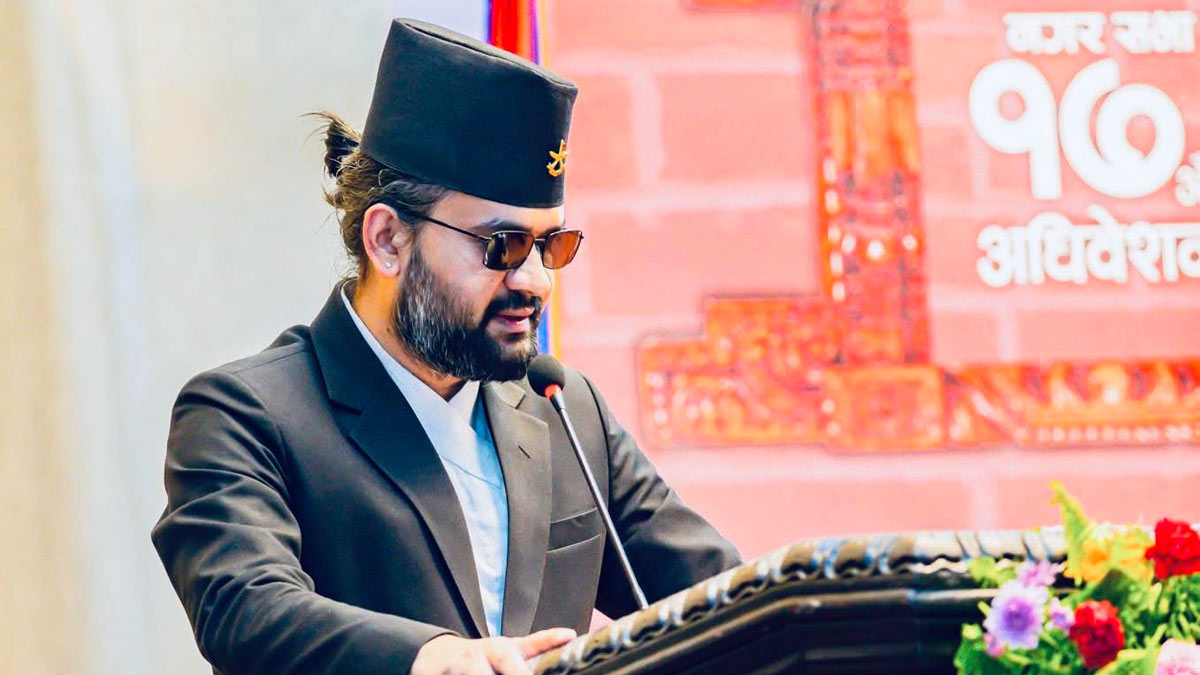

— Balen Shah (@ShahBalen) October 9, 2025
The Banyan Revolt (novel)
जेन जी क्रान्ति (उपन्यास/हिन्दी) (free)
जेन जी क्रान्ति (उपन्यास/नेपाली) (free)
जेन जी क्रान्ति (उपन्यास/मैथिलि) (free)
Gen Z Kranti (novel)
Madhya York: The Merchant and the Mystic (novel)
Side Hustles That Work In 2025
Frugal Living Tips That Work
The AI Marketing Revolution: How Artificial Intelligence is Transforming Content, Creativity, and Customer Engagement
100 Questions That Lead To Understanding
The Convergence Age: Ten Forces Reshaping Humanity’s Future
Kalkiism: The Economic And Spiritual Blueprint For An Age Of Abundance
The Last Age: Lord Kalki, Prophecy, and the Final War for Peace
The Electoral Path to the Gen Z Revolution in Nepal https://t.co/nH032pdS5k
— Paramendra Kumar Bhagat (@paramendra) October 9, 2025


No comments:
Post a Comment