
अमेरिकी सर्वोच्च अदालतले ट्रम्पका ट्यारिफ खारेज गरेपछि हुने प्रभावहरू
1. सर्वोच्च अदालतसम्मको यात्रा: असलमा दाउमा के छ?
सन् २०२५ को सुरुतिर ट्रम्प प्रशासनले आयातमा ठूलो स्तरका “आपतकालीन शुल्क (ट्यारिफ)”हरू लगायो—
-
लगभग सबै आयातित वस्तुहरूमा १०% को विश्वव्यापी ट्यारिफ
-
साथै केहि देशहरू (जस्तै चीन, मेक्सिको, क्यानडा आदि) माथि अधिकतम ५०% सम्मका “प्रतिशोधात्मक” ट्यारिफ
-
र यी सबैलाई जायज देखाउन दुई थरी “राष्ट्रिय आपतकाल” घोषणा—
-
फेन्टानिल (Fentanyl) तस्करी सम्बन्धी आपतकाल
-
र व्यापार घाटा (Trade Deficit) लाई नै “राष्ट्रिय सुरक्षा”को सङ्कट भन्दै अर्को आपतकाल
-
यी कदमको कानुनी आधार थियो International Emergency Economic Powers Act (IEEPA), १९७७—जसको मूल उद्देश्य विदेशी शत्रु वा लक्षित इकाइहरूको सम्पत्ति रोक्का गर्ने, वित्तीय प्रतिबन्ध लगाउने जस्ता सीमित, लक्षित उपाय हुन्; सम्पूर्ण अमेरिकी कर/ट्यारिफ संरचना उल्ट्याउने अधिकार होइन।
अमेरिकी तल्लो अदालतहरूले पहिले नै ठहर गरिसकेका थिए कि IEEPA अन्तर्गत यति व्यापक र सर्वव्यापी ट्यारिफ लगाउने अधिकार राष्ट्रपतिसँग छैन।
यिनै मुद्दाहरू (Learning Resources v. Trump र Trump v. V.O.S. Selections, Inc.) अन्ततः सर्वोच्च अदालतमा पुगे।
आर्थिक हिसाबले दाउ निकै ठूलो छ—
-
केवल २०२५ सालमै करिब ८०–९० अर्ब डलर बराबरका ट्यारिफ उठाइएका छन्।
-
दीर्घकालीन अनुमान अनुसार, यदि यी ट्यारिफ दशकभरि कायम रहे भने १.८ ट्रिलियन डलरसम्म राजस्व उठ्न सक्थ्यो, तर साथमा अमेरिकाको GDP घट्ने, रोजगारीमा नकारात्मक प्रभाव पर्ने आकलन पनि छ।
कानुनी प्रश्न, सरल भाषा मा यसो हो—
“के राष्ट्रपतिले ‘आपतकाल’ को नाममा संसद (कंग्रेस) को कर लगाउने अधिकार आफूसँग ल्याउन सक्छ?”
संविधानको आधारभूत सिद्धान्त अनुसार कर र व्यापार नीति मूलतः कंग्रेसको क्षेत्राधिकार हो।
यदि सर्वोच्च अदालत भन्छ—
“IEEPA ले राष्ट्रपतिलाई यति व्यापक ट्यारिफ लगाउने स्पष्ट अधिकार दिंदैन; यी ट्यारिफ अवैधानिक छन् र हटाउनुपर्छ।”
भने त्यसका प्रभावहरु बहुआयामिक र गहिरा हुनेछन्।
2. तत्काल आर्थिक झट्का: ट्यारिफ हटेपछि रिफन्डको हंगामा
2.1. ट्यारिफको आंशिक अन्त्य
यदि सर्वोच्च अदालतले IEEPA आधारित ट्यारिफलाई अवैधानिक ठहर गर्छ भने, ट्रम्प प्रशासनका धेरैजसो ट्यारिफ तुरुन्तै खारेज हुनेछन्—
-
खारेज हुने:
-
१०% को विश्वव्यापी ट्यारिफ
-
IEEPA “आपतकाल”का आधारमा लगाइएका अतिरिक्त “प्रतिशोधात्मक” शुल्क
-
-
जारी रहने सम्भावित:
-
अन्य कानुनहरू (जस्तै Section 232, Section 301) अन्तर्गत लगाइएका, सीमित दायराका ट्यारिफ र उपायहरू
-
यसो हुँदा वर्तमान ट्यारिफ राजस्वको ठूलो हिस्सा—विशेष गरी IEEPA मा आधारित भाग—एकै क्षणमा कानुनी आधारविहीन हुन्छ।
2.2. रिफन्ड (फिर्ता) को सुनामी
अवैधानिक घोषित ट्यारिफले अर्को ठूलो समस्या जन्माउँछ—किन वसूलिएको पैसा के गर्ने?
-
केवल २०२५ मा उठाइएको ८०–९० अर्ब डलर जति रकम आयातकर्ताले फिर्ता माग्न सक्ने स्थिति आउन सक्छ।
-
यदि सर्वोच्च अदालतको निर्णय पुराना महिनामा संकलित ट्यारिफमा पनि लागू भयो भने, कूल रकम सयौं अर्ब डलरमा पुग्न सक्छ।
यसको अर्थ—
-
अमेरिकी कस्टम (Customs and Border Protection) र ट्रेजरी विभागमा रिफन्ड दाबीको भीड लाग्नेछ।
-
ठूला बहुराष्ट्रिय कम्पनीहरू, जससँग वकिल र लेखापालको ठूलो टोली हुन्छ, ती छिट्टै र व्यवस्थित रूपमा फाइदा उठाउनेछन्।
-
तर साना र मध्यम उद्यमहरू, जसले पहिले नै ट्यारिफको भार झेलेका छन्,
-
कागजी झन्झट, समय र स्रोतको कमीका कारण
-
रिफन्ड प्रक्रियामा पछि पर्न वा हराउन पनि सक्छन्।
-
राजनीतिक दृष्टिले, दुवै पक्षले यस अवस्थालाई आफ्नो पक्षमा घुमाउनेछन्—
-
प्रशासनको तर्फबाट:
“हामीले देशको रक्षा गर्न ट्यारिफ लगायौँ, अदालतले रोकिदियो, अब यो प्रशासनिक अराजकता उही ‘न्यायालय’को परिणाम हो।”
-
विरोधीहरूको तर्फबाट:
“तपाईंले अवैधानिक ‘आयात कर’ लगाएर व्यवसाय र उपभोक्तालाई चोट पुर्याउनुभयो, अब फिर्ता प्रक्रियाको खर्च र झन्झट पनि करदाताले नै बेहोर्नुपर्यो।”
2.3. मूल्य, मुद्रास्फीति र विकास
ट्यारिफ हट्नु भनेको अर्थतन्त्रबाट अचानक एक किसिमको हाम्रो आफ्नो बनाएको घर्षण हट्नु हो।
-
आयातित सामानको लागत क्रमशः घट्ने भएकाले उपभोक्ता मूल्य सूचकाङ्क (Inflation) मा केही दबाब घट्न सक्छ।
-
खुद्रा, अटो, इलेक्ट्रोनिक्स, हवाईसेवा, निर्माण उद्योगजस्ता क्षेत्रमा खर्च घट्ने र मार्जिन सुधारिने सम्भावना हुन्छ।
-
अमेरिकी निर्यातकर्ताले विदेशी प्रतिशोधात्मक ट्यारिफ वा व्यापारिक तनावबाट केही राहत पाउन सक्छन्।
तर संरक्षण पाएका केहि घरेलु उद्योग (जस्तै स्टील, एल्युमिनियम, केही म्यानुफ्याक्चरिङ) ले फेरि विदेशी प्रतिस्पर्धाको दबाब झेल्नुपर्ने हुन्छ।
त्यो दबाब कम गर्न प्रशासनमा सब्सिडी, “Buy American” नियम, अन्य औद्योगिक नीतिहरू थप कडा बनाउनुपर्ने माग बढ्नेछ।
3. विश्व व्यापारमा असर: एकतर्फी कदममा अंकुश, तर संरक्षणवाद समाप्त होइन
3.1. नियमको जित
विश्वभर यो फैसला एउटा ठूलो सन्देश हुनेछ—
“अमेरिकामा अहिले पनि कानूनको शासन छ, केवल ‘राष्ट्रपतिको इच्छा’ होइन।”
युरोपेली संघ, क्यानडा, मेक्सिको, जापन, दक्षिण कोरिया जस्ता अमेरिकी साझेदार देशहरूले,
जो आफैं पनि ट्रम्प ट्यारिफको निसाना बनेका थिए, यसलाई न्यायोचित र राहतदायी रूपमा व्याख्या गर्नेछन्।
यी देशहरूका लागि मुख्य सन्देश—
-
अमेरिकी संस्थाहरू (विशेषतः न्यायालय) अझै सक्षम छन्
-
र कार्यपालिकाको अत्यधिक शक्ति प्रयोगमा संवैधानिक सीमा लगाउन तयार छन्।
3.2. डब्ल्यूटीओ (WTO) र बहुपक्षीय प्रणाली
WTO अहिले पनि थकित र कमजोर अवस्थामा छ—
तर यस्तो अमेरिकी निर्णयले WTO जस्ता संस्थालाई नैतिक बल प्रदान गर्छ—
-
यसले देखाउँछ कि घरेलु संविधानिक नियन्त्रण
र अन्तर्राष्ट्रिय नियम-
एक–अर्काका शत्रु होइनन्,
-
बरु परस्पर पूरक हुन्।
-
तर वास्तविकता के हो भने—
-
अमेरिका र अन्य ठूला अर्थतन्त्रहरू यथार्थमा पूर्ण स्वतन्त्र व्यापार (Free Trade) मा फर्किने छैनन्।
-
उच्च प्रविधि, सेमीकन्डक्टर, हरित ऊर्जाका उपकरण, दुर्लभ खनिज जस्ता क्षेत्रमा
-
रणनीतिक संरक्षणवाद
-
र आपूर्ति शृंखला पुनर्संरचना जारी नै रहनेछ।
-
3.3. चीन र अन्य प्रतिस्पर्धीहरूको दृष्टि
चीनको नजरमा यो निर्णय—
-
प्रतीकात्मक राजनीतिक उपलब्धि:
“अमेरिका आफूले बनाएको नियममै अड्कियो।”
-
व्यावहारिक असर भने सीमित—
-
किनकि अमेरिकाले चीनविरुद्ध
-
निर्यात नियन्त्रण,
-
प्रविधि प्रतिबन्ध,
-
निवेश नियन्त्रण र
-
आपूर्ति शृंखला विविधीकरण
जस्ता अरू धेरै उपकरणहरू सक्रिय रूपमा चलाइरहेकै छ।
-
-
अन्य उदाउँदा शक्ति (भारत, ब्राजिल, ASEAN देशहरू) ले यसबाट यही पाठ लिनेछन्—
-
अमेरिका संस्थागत रूपमा अझै बलियो छ
-
तर अमेरिकी व्यापार नीति अस्थिर र राजनीतिक रूपमा विभाजित छ
-
त्यसैले दीर्घकालीन रणनीतिका लागि विविधिकरण (चीन–युरोप–क्षेत्रीय गठबन्धन) अपरिहार्य छ।
4. संवैधानिक भूकम्प: “Major Questions Doctrine” अब व्यापारमा पनि
4.1. आपतकालीन आर्थिक शक्तिमा रेखा
यदि सर्वोच्च अदालतले IEEPA अन्तर्गतका ट्यारिफलाई खारेज गर्छ भने, तर्क यसरी आउन सक्छ—
-
IEEPA को इतिहास र भाषा हेर्दा
-
यो कानून विदेश नीति आधारित लक्षित आर्थिक प्रतिबन्ध र
-
सम्पत्ति नियन्त्रणका लागि बनाइएको हो
-
सम्पूर्ण अमेरिकी आयातमा कर थोपर्ने अधिकार दिनका लागि होइन।
-
-
“Major Questions Doctrine” अनुसार—
-
जब कार्यपालिकाले
-
ठूलो आर्थिक क्षेत्रलाई
-
व्यापक रूपले प्रभावित गर्ने शक्तिको दाबी गर्छ
-
-
तब त्यसका लागि कंग्रेसको स्पष्ट, ठोस मन्जुरी चाहिन्छ।
-
यसको नतिजा—
“यदि तपाईँ सम्पूर्ण आयातमा भारी कर लगाउन चाहनुहुन्छ भने,
कुनै पुरानो आपतकालीन कानूनको धुँवा देखाएर होइन,
प्रत्यक्ष कंग्रेसमार्फत नयाँ कानुन ल्याएर मात्र गर्नुपर्छ।”
4.2. भविष्यका राष्ट्रपतिहरू र अन्य नीतिमा प्रभाव
एकपटक व्यापार र ट्यारिफमामा “Major Questions Doctrine” लागू भएपछि,
यसको हवाला अन्य धेरै क्षेत्रमा पनि दिइनेछ—
-
जलवायु परिवर्तन र हरित नीतिहरू
-
AI र डिजिटल प्लेटफर्महरूको कडा नियमन
-
वित्तीय बजार, क्रिप्टो, डिजिटल डलर/सीबीडीसी जस्ता विषयमा आपतकालीन उपाय
यसले भविष्यका राष्ट्रपतिहरूलाई चीतावनी दिनेछ—
“ठूलो संरचनात्मक आर्थिक परिवर्तन
— चाहे दायाँ वा बायाँ—
कंग्रेस बिना सम्भव छैन।”
5. राजनीतिक परिणाम: के ट्रम्प प्रशासन साँच्चिकै ‘अँध्यारो मोड’मा छ?
मूल प्रश्न—
“ट्यारिफ ट्रम्पको घरेलु र विदेशी नीतिको केन्द्रबिन्दु भएको अवस्थालाई हेर्दा,
सर्वोच्च अदालतको फैसला हुँदा
के प्रशासन एकदमै नाजुक र अँध्यारो स्थितिमा धकेलिने होइन?”
5.1. ट्रम्पको “ट्यारिफ म्यान” पहिचान
ट्रम्पले वर्षौँदेखि आफ्नो समर्थक बेसलाई भनेका छन्—
-
“म Tariff Man हुँ।”
-
“हामीले ट्यारिफबाट अन्य देशहरूलाई हाम्रो खजाना भराउन बाध्य पारेका छौँ।”
-
“ट्यारिफ नै हाम्रो प्रमुख हतियार हो—चीन समेतलाई घुँडा टेकाउन।”
उनको दोस्रो कार्यकालमा IEEPA आधारित विश्वव्यापी ट्यारिफ
उनको “America First 2.0” रणनीतिको केन्द्रमा थियो।
त्यसैले सर्वोच्च अदालतको “तपाईंले यसरी गर्न पाउनुहुन्न” भन्ने निर्णयले—
-
उनको मुख्य आर्थिक/वैदेशिक नीति उपकरण निष्क्रिय बनाउँछ
-
उनको आफ्नै भाषण र कानुनी तर्कबीचको विरोधाभास उजागर गर्छ
-
“म सर्वशक्तिमान छु” भन्ने छविमा चिरा पार्छ
यो सब मिलेर, नीतिगत स्तरमा हेर्दा, ठूलो धक्का नै हो।
5.2. तर ट्रम्पको “स्पिन”: पराजयलाई पनि ‘साजिश’ बनाउने
तर ट्रम्पको राजनीतिक शैली बेग्लै छ—
-
उनी हारलाई पनि “सिस्टम हाम्रो विरुद्ध लागेको साजिश”को कथा बनाएर
-
आफ्नै समर्थकलाई अझ भग्नभावित,
-
अझ क्रोधित र
-
अझ समर्पित बनाउने कला राख्छन्।
-
उनी यस्ता नारा दिन सक्छन्—
“मैले तपाईंहरूको रोजगारी बचाउन, कारखाना फर्काउन ट्यारिफ लगाएँ,
तर भ्रष्ट अदालत र ग्लोबलिस्टहरूले
तपाईंको रक्षा गर्ने मेरो हतियार खोसे।”
“अब मलाई अझ ठूलो बहुमत चाहिन्छ,
ताकि हामी यस्तो कानून बनाउन सकौँ,
जसलाई कुनै अदालतले छुन नै नसकोस्।”
यसरी उनी कथालाई
“I did this for you”
बाट
“They stopped me from doing it for you” मा
परिवर्तन गर्छन्—
तर भावनात्मक संदेश उस्तै रहन्छ—
“म मात्रै तिमीहरूको लागि लडिरहेके छु।”
त्यसैले, यसले उनको कोर बेस कमजोर होइन, अझ संगठित बनाउन सक्छ।
5.3. रिपब्लिकन पार्टीभित्रको द्वन्द्व
यो फैसला रिपब्लिकन पार्टी भित्रका पहिल्यै रहेका विभाजनहरूलाई अझ स्पष्ट बनाउनेछ—
-
MAGA / राष्ट्रवादी पंख:
-
अदालतप्रति आक्रोश,
-
“डीप स्टेट”, “ग्लोबलिस्ट जज” जस्ता आरोप
-
र कंग्रेसलाई कडा ट्यारिफ कानुन बनाउन दबाब।
-
-
परम्परागत व्यवसाय-समर्थक/चेम्बर अफ कमर्स पंख:
-
पर्दा पछाडि धेरै हदसम्म सन्तुष्ट र राहत महसुस गर्ने—
-
किनकि ट्यारिफ उनीहरूका दानदाता,
-
निर्यातकर्ता,
-
र ग्लोबल सप्लाई चेनमा निर्भर उद्योगहरूका लागि
-
दीर्घकालीन समस्या बनेका थिए।
-
-
कतिपय रिपब्लिकन सांसदहरूले यसलाई
संवैधानिक मर्यादाको उदाहरण भन्दै
यो पनि भन्न सक्छन्—
“हामी चीन र अनुचित व्यापार विरुद्ध कडा छौँ,
तर संविधानभन्दा माथि कोही छैन।”
5.4. डेमोक्रेटहरू: वैधानिक विजय, तर सावधानीपूर्वक खुशी
डेमोक्रेट र अन्य आलोचकहरूको दृष्टिकोण—
-
यो निर्णय rule of law र separation of powers को ठूलो विजय हो।
-
उनीहरूले वर्षौँदेखि भनेको कुरा
-
“ट्रम्पका ट्यारिफ वास्तविकमा ‘कर’ हुन्,
जसले अमेरिकी उपभोक्ता र साना व्यवसायलाई चोट पुर्याउँछ” -
न्यायालयको निर्णयले आंशिक रूपमा पुष्टि गरेको देखिनेछ।
-
तर उनीहरू पनि
“पूर्ण स्वतन्त्र व्यापार” पक्षीय जस्तो देखिन चाहँदैनन्,
किनकि अहिले अमेरिकी जनमत
-
कामदार सुरक्षा,
-
घरेलु उद्योग संरक्षण,
-
आपूर्ति शृंखला स्थिरता
जस्ता विषयमा धेरै संवेदनशील छ।
त्यसैले उनीहरूको सम्भावित दोहोरो सन्देश—
-
“ट्रम्पले आपतकालको नाममा संविधान मिचेर कर थपे—यो अदालतले रोकेको छ, जुन सही हो।”
-
“तर हामी कानुनी, बुद्धिमान र लक्षित औद्योगिक नीति र व्यापार नीति लिन्छौँ—
आवश्यक ठाउँमा रणनीतिक ट्यारिफ,
सब्सिडी,
श्रमिक सुरक्षा,
र सहयोगी देशहरूसँग मिलेर चीनजस्ता प्रतिस्पर्धीसँग सामना।”
6. नीति पुनर्निर्माण: ट्यारिफपछि के?
ट्यारिफ एउटा मात्र उपकरण होइन;
तर ट्रम्पको राजनीतिक ब्रान्डमा यसले खास स्थान ओगटेको छ।
सर्वोच्च अदालतको निर्णयपछि प्रशासनले
नयाँ औजार खोज्नुपर्ने हुन्छ।
6.1. “Tariff 2.0” – कंग्रेसमार्फत कानुन
एक विकल्प—कंग्रेससँग
नयाँ ट्यारिफ अधिकार कानून (जस्तै “Tariff Authorization Act”)
माग गरिनेछ—
-
जसले राष्ट्रपति लाई
-
स्पष्ट दायरा,
-
समय सीमा,
-
र छत (कति प्रतिशतसम्म मात्रै आदि)
-
सहित ट्यारिफ लगाउन अनुमति दिन सक्छ।
-
यो राजनीतिक रूपमा ठूलो जुवा हो—
-
यदि कंग्रेस सहमत भयो भने,
-
ट्रम्पको ट्यारिफ नीति अधिक वैधानिक र स्थायी हुन्छ,
-
तर सम्भवतः पहिलेभन्दा थोरै सीमित र संरचित।
-
-
यदि कंग्रेसले अस्वीकार गर्यो वा ठप्प बन्यो भने—
-
त्यसले सर्वोच्च अदालतको सन्देशलाई अझ बलियो बनाउनेछ—
“त्यस्तो ठूला नीति परिवर्तन
केवल राष्ट्रपतिले अकेले गर्न मिल्दैन।” -
6.2. वैकल्पिक उपकरण: सब्सिडी, प्रतिबन्ध, औद्योगिक नीति
साथै प्रशासन अन्य उपायमा झुक्न सक्छ—
-
औद्योगिक सब्सिडी – सेमीकन्डक्टर, ब्याट्री, हरित ऊर्जा, रोबोट, AI जस्ता क्षेत्रमा
-
लक्षित प्रतिबन्ध (Sanctions) –
-
विशिष्ट चिनियाँ कम्पनी,
-
उद्योग वा व्यक्ति विरुद्ध
-
-
Buy American जस्ता प्रावधान—
-
सरकारी खरिद,
-
इन्फ्रास्ट्रक्चर प्रोजेक्टमा
-
घरेलु उत्पादनलाई अनिवार्य प्राथमिकता
-
यसले ट्यारिफबाट हटेर
“औद्योगिक रणनीति + निर्यात नियन्त्रण”
केन्द्रित मोडेललाई बलियो बनाउँछ,
जुन न्यायालयहरूमा बचाउन पनि तुलनात्मक रूपमा सजिलो हुन्छ।
7. व्यवसाय, कामदार र उपभोक्तामा प्रत्यक्ष प्रभाव
7.1. व्यवसाय: एक किसिमको अनिश्चितता घट्छ, अर्को किसिम बढ्छ
ट्यारिफले व्यवसायहरूलाई
विगत केही वर्षमा धेरै समस्या दिएको छ—
-
दीर्घकालीन आपूर्ति सम्झौतामा जोखिम बढ्यो
-
लागत अनुमान गर्न गाह्रो भयो
-
केहीले उत्पादन जग्गा सार्नुपर्यो,
-
व्यापार युद्धका कारण सप्लाई चेन पुनर्संरचना गर्नु पर्यो
-
सर्वोच्च अदालतको निर्णयपछि—
-
कम्तीमा यस प्रकारको “आपतकालीन ट्यारिफ” प्रयोगमा कानुनी सीमा स्पष्ट हुन्छ।
-
आयात–निर्यात गर्ने कम्पनीले
-
भविष्यमा कुनै राष्ट्रपतिले
-
IEEPA भन्दै अचानक सम्पूर्ण ट्यारिफ बढाउने
-
संभावना घटेको देख्नेछन्।
-
-
तर नयाँ प्रश्नहरू उठ्नेछन्—
-
“के कंग्रेसले अब नयाँ ट्यारिफ कानून ल्याउँछ?”
-
“के अर्को प्रशासनले अन्य कानुनको सहारा लिएर फेरि ठूलो ट्यारिफ लगाउनेछ?”
त्यसैले सबै अनिश्चितता हराउँछ भने होइन,
अनिश्चितताको स्वरूप बदलिन्छ।
7.2. कामदार र क्षेत्रीय असमान असर
ट्यारिफ सधैं समान रूपले असर गर्दैन—
-
केहि औद्योगिक क्षेत्र (स्टील, एल्यूमिनियम, परम्परागत म्यानुफ्याक्चरिङ)
-
ट्यारिफबाट तात्कालिक सुरक्षा पाउँछन्
-
-
तर कृषि निर्यात, उच्च प्रविधि,
-
र अन्तर्राष्ट्रिय सप्लाई चेनमा निर्भर उद्योग
-
विदेशी प्रतिशोधात्मक ट्यारिफ र अनिश्चितताबाट पीडित हुन्छन्।
-
ट्यारिफ खारेज भएपछि—
-
संरक्षण पाएका उद्योगमा
-
पुनः प्रतिस्पर्धात्मक दबाब आउँछ
-
त्यहाँ रोजगार र वेतनमा दबाव पर्न सक्छ
-
-
निर्यात–उन्मुख क्षेत्र,
-
बन्दरगाह,
-
कृषि निर्यात,
-
विमान,
-
मेसिनरी जस्ता क्षेत्रमा
-
व्यापार सहजता र बजार पहुँचको फाइदा देखिन सक्छ
-
-
उपभोक्ताले
-
विशेष गरी न्यून आय भएका समूहले
-
दैनिक उपभोग्य वस्तु, कपडा, इलेक्ट्रोनिक्समा
-
केही मूल्य घटेको अनुभूति पाउन सक्छन्
-
तर राजनीतिक सन्देशमा—
“कारखाना बन्द”
“रोजगारी गुम्यो”
जस्ता नारा
“थोरै सस्तो सामान्य सामान”
भन्दा धेरै शक्तिशाली सुनिन्छन्।
त्यसैले राजनीतिक प्रभाव आर्थिक तथ्यभन्दा
थोरै भिन्न दिशामा पनि जान सक्छ।
8. भू–राजनीतिक कथा: आत्म–सुधार गर्ने अमेरिका vs. ठप्प अमेरिका
विश्वमञ्चमा यो फैसला दुई फरक कथाको सामग्री बन्न सक्छ—
8.1. कथा १: अमेरिका अझै आत्म–सुधार गर्न सक्षम
युरोप, जापान, दक्षिण कोरिया, क्यानडा आदिमा
त्यो कथा यसरी सुनिनेछ—
“अमेरिका शोरगुलयुक्त छ,
कहिलेकाहीँ अतिवादी नीति ल्याउँछ,
तर अन्ततः
त्यसलाई सम्हाल्ने न्यायालय र संविधान
अझै काम गरिरहेकै छन्।”
यसले—
-
अमेरिकी लोकतन्त्रको संस्थागत क्षमता
-
अमेरिकी डलर र ट्रेजरीमा लगानीकर्ताको विश्वास
-
र दीर्घकालीन सुरक्षा गठबन्धन (NATO, QUAD, आदि)
लाई परोक्ष बल दिन्छ।
8.2. कथा २: अमेरिका अस्थिर र भाँचिएको
चीन, रूस र केहि अन्य देशले भने यसलाई यसरी चित्रित गर्न सक्छन्—
“अमेरिका अब स्थिर रणनीतिक निर्णय गर्न नसक्ने देशमा बदलिंदै छ।
एक प्रशासनले ट्यारिफ लगाउँछ,
अर्को वा न्यायालयले हटाउँछ।
दीर्घकालीन व्यापार योजना बनाउने ठाउँ छैन।”
यसले विश्वभर—
-
डी–डॉलराइजेसन,
-
क्षेत्रीय व्यापार ब्लकहरू
-
वैकल्पिक भुक्तानी प्रणाली (जस्तै BRICS Pay)
जस्ता प्रवृत्तिलाई मनोवैज्ञानिक आधार दिन सक्छ।
वास्तविकता के हो भने—
-
दुवै कथा आंशिक रूपमा सही छन्—
-
अमेरिका अझै
-
स्वतन्त्र न्यायपालिका,
-
सशक्त संविधान,
-
बलियो अर्थतन्त्र भएको देश हो
-
-
तर साथसाथै
-
गहिरो राजनीतिक ध्रुवीकरण,
-
अस्थिर प्राथमिकता
-
र नीतिगत निरन्तरताको अभावले
-
अन्य देशलाई “प्लान B” सोच्न बाध्य पारिरहेको पनि छ।
-
-
9. अन्तिम प्रश्नमा फर्कँदा: के ट्रम्प प्रशासन साँच्चै “निराशाजनक” बिन्दुमा पुग्छ?
अब तपाईंको मूल प्रश्नलाई सीधा उत्तर दिऔँ—
“ट्यारिफ ट्रम्प प्रशासनको घरेलु र वैश्विक नीतिको केन्द्रबिन्दु हुँदा,
सर्वोच्च अदालतले यी ट्यारिफ खारेज गर्नु
के प्रशासनलाई अत्यन्त कमजोर र अँध्यारो स्थितिमा धकेल्दैन?”
9.1. नीतिगत हिसाबले
नीतिगत रूपमा हेर्दा—
-
ट्रम्पको सबैभन्दा मनपर्ने र पहिचान बनेको हतियार
-
अर्थात् सर्वव्यापी ट्यारिफ
-
कानुनी रूपमा निष्क्रिय हुन्छ।
-
-
उनी बाध्य हुन्छन्
-
कंग्रेस,
-
गठबन्धन,
-
र जटिल औद्योगिक नीतिमार्फत
-
“आर्थिक राष्ट्रवाद” लागू गर्न।
-
-
यसरी हेर्दा, हो—
-
यो उनको रणनीतिक एजेन्डाका लागि गम्भीर झटका हो।
-
9.2. राजनीतिक हिसाबले
तर राजनीतिक दृष्टिले—
-
उनको कोर समर्थक वर्गमा
-
यो निर्णयले
-
“हामी विरुद्ध प्रणालीले साजिश गर्यो”
-
भन्ने अनुभूति अझ गहिरो बनाउनेछ।
-
-
मध्यम मतदाता,
-
केही स्वतन्त्र मतदाता
-
र परम्परागत व्यवसाय–समर्थक रिपब्लिकनहरू
-
यो निर्णयलाई
-
“ट्रम्पले कानुन मिच्न खोज्दा
न्यायालयले रोकेको घटना” -
को रूपमा पनि हेर्नेछन्।
-
-
यसैले समग्रमा—
-
प्रशासन पूर्ण रूपमा निराशाजनक स्थिति मा पुग्दैन,
-
तर कानुनी–संवैधानिक सीमाहरूले बाँधिएको,
थप जटिल र बाध्यकारी अवस्थाहरूमा फस्छ।
10. ठूलो चित्र: व्यापार होइन, संविधानको पाठ
अन्ततः, इतिहासकारहरूले सायद यस घटनालाई
“ट्रम्पको ट्यारिफ पराजय” भन्दा पनि
“राष्ट्रपति शक्तिको संवैधानिक पुनर्परिभाषा”
को रूपमा लेख्ने सम्भावना बढी छ।
-
“Major Questions Doctrine”
-
पहिले वातावरण तथा नियामक क्षेत्रमा
-
बढी चर्चित थियो
-
-
अब यदि व्यापार र कर नीति क्षेत्रमा पनि
-
स्पष्ट रूपमा लागू भयो भने
-
-
यसले अमेरिकी शासन प्रणालीमा
-
एउटा नयाँ सन्तुलन बिन्दु स्थापित गर्नेछ—
-
“तपाईं पुरै अर्थतन्त्रलाई
स्थायी ‘आपतकाल’ मा राखेर चलाउन सक्दैनौँ।
यस्तो ठूला निर्णय
लोकतान्त्रिक प्रक्रियाबाट,
कंग्रेसको सहमति र कानूनमार्फत मात्रै सम्भव छ।”
के यसले
अमेरिकालाई दीर्घकालीन रूपमा
अझ प्रतिस्पर्धी र स्थिर बनाउँछ
कि
वैश्विक प्रतिस्पर्धाको घडी चलिरहँदा
अधिक “धीमा र जटिल” बनाइदिन्छ—
त्यो प्रश्नको उत्तर
आउँदो दशकले दिनेछ।
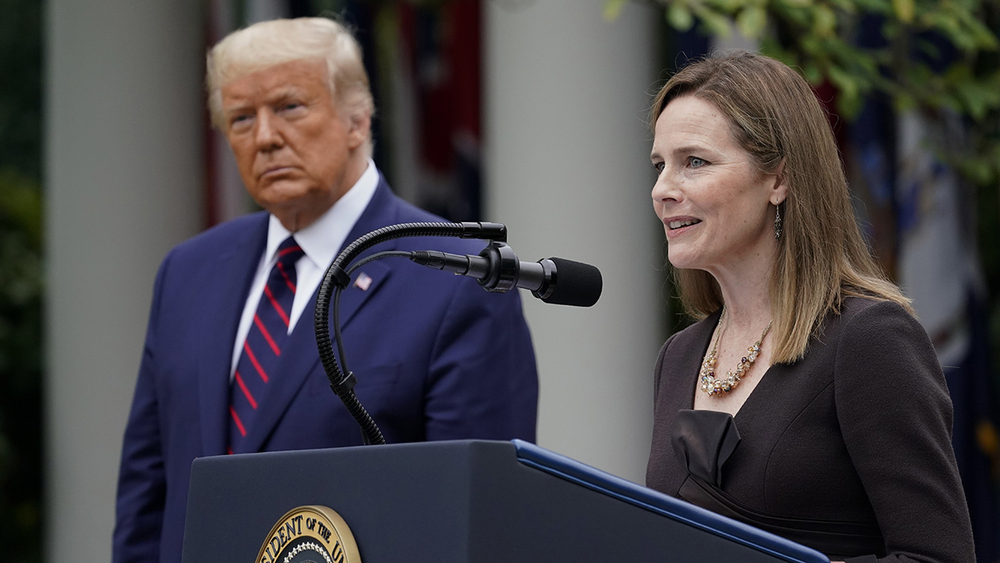
शीर्षक: ट्यारिफ होइन, शक्ति र संविधानको मुद्दा: असली सङ्कट व्यापारमा होइन, शासनमा छ
ट्रम्प प्रशासनले लगाएका व्यापक ट्यारिफहरूबारे अमेरिकी सर्वोच्च अदालतमा चलिरहेको मुद्दा अहिले प्रायः आर्थिक दृष्टिबाट हेरिँदैछ—ट्यारिफ राम्रो कि नराम्रो?
तर सर्वोच्च अदालतको काम त्यस्तो मूल्याङ्कन गर्नु होइन। अदालत न नीति बनाउने निकाय हो, न अर्थशास्त्रीहरूको मंच। अदालतको जिम्मेवारी हो—संविधानको व्याख्या गर्नु।
यहाँ मुख्य प्रश्न आर्थिक होइन, संवैधानिक हो:
के राष्ट्रपतिलाई त्यो अधिकार छ, जुन संविधानले मूलतः कङ्ग्रेसलाई दिएको छ?
यदि ट्यारिफ साँच्चिकै त्यति नै लाभदायी छन्, जति ट्रम्प प्रशासनले दाबी गर्छ,
त्यो भन्दा ठूलो प्रश्न उठ्छ—कङ्ग्रेसले तिनलाई कानून बनाएर किन लागू गरेन?
यो अर्थशास्त्रको होइन, शासन–संरचना र संवैधानिक जिम्मेवारीको प्रश्न हो।
र यसको जरो छ—कार्यपालिका–केन्द्रित अहंकार, राजनीतिक निरक्षरता, र क़ानूनको शासनप्रति अवमानना।
1. शक्ति–विभाजनको संवैधानिक प्रश्न
अमेरिकी संविधानले कर, शुल्क र राजस्व उठाउने अधिकार कङ्ग्रेसलाई दिएको छ।
अनुच्छेद I, धारा 8 अनुसार, कर (Taxes), शुल्क (Duties), र एक्साइज (Excises) उठाउने अधिकार केवल कङ्ग्रेसको क्षेत्राधिकार हो।
यही “Taxation with Representation” अर्थात् प्रतिनिधित्वका साथ करको सिद्धान्त हो—जो लोकतन्त्रको मेरुदण्ड हो।
राष्ट्रपतिले “आपतकालीन शक्तिहरू” प्रयोग गरेर लगाएका ट्यारिफहरूले यही मेरुदण्ड तोड्छन्।
IEEPA (International Emergency Economic Powers Act) जस्ता क़ानूनहरू मूलतः सीमित राष्ट्रिय सुरक्षा संकटमा विदेशी सम्पत्तिमा नियन्त्रण वा आर्थिक प्रतिबन्ध लगाउन बनाइएका थिए—न कि सम्पूर्ण अमेरिकी व्यापार नीति उल्ट्याउन।
यसले एउटा मूलभूत सिद्धान्त तोड्छ—राष्ट्रपति कानून लागू गर्छ, बनाउँदैन।
जब कार्यपालिका विधायिकाको स्थान लिन खोज्छ, त्यो गणतन्त्रको सन्तुलनमा चोट हो।
2. कङ्ग्रेसलाई बेवास्ता गर्नु: राजनीतिक निरक्षरताको लक्षण
यदि राष्ट्रपति साँच्चिकै विश्वास गर्छन् कि ट्यारिफ अमेरिकी सुरक्षाका लागि अनिवार्य छन्,
संवैधानिक बाटो स्पष्ट छ—यो कुरा कङ्ग्रेसमा लिएर जानुहोस्।
बहस गर्नुहोस्, समर्थन जुटाउनुहोस्, र कानुन पारित गराउनुहोस्—यही लोकतान्त्रिक नेतृत्वको तरिका हो।
तर ट्रम्प प्रशासनले, आफ्नो पार्टीकै नियन्त्रण भएको प्रतिनिधिसभा र सिनेट हुँदाहुँदै पनि, यो बाटो रोजेन।
बरु उसले पुराना आपतकालीन क़ानूनहरूको सहारा लियो।
यो केवल अधैर्यता होइन, यो संवैधानिक प्रक्रिया र संवादप्रति तिरस्कार हो।
यो केवल अहंकार होइन—यो राजनीतिक निरक्षरता हो।
लोकतान्त्रिक प्रणालीमा मनवाउनु र सम्झौता गर्नु कमजोरी होइन, शासनको कला हो।
जो राष्ट्रपति संवाद र सहमतिको सट्टा आदेश प्रयोग गर्छ,
उनी न केवल कङ्ग्रेसलाई,
बरु आफ्नै वैधतालाई पनि कमजोर बनाउँछ।
जब हरेक कुरा “आपतकाल” भनिन्छ,
त्यो प्रणालीमा कसैलाई पनि जवाफदेही बनाउने संरचना नै हराउँछ।
3. क़ानूनको शासन बनाम आदेशको शासन
प्रत्येक राष्ट्रपति एकछिनका लागि असीमित शक्तिको मोहमा पर्न सक्छ।
तर Rule of Law अर्थात् क़ानूनको शासन,
यही मोहबाट प्रणालीलाई जोगाउन बनेको हो।
सर्वोच्च अदालतको काम ट्यारिफ आर्थिक रूपमा लाभदायी छन् कि होइन भन्ने होइन;
त्यो हेर्नु हो कि राष्ट्रपतिलाई यो अधिकार संविधानले दिएको छ कि छैन।
उत्तर स्पष्ट छ—छैन।
फरमानद्वारा शासन—नीतिगत दृष्टिले चाहे साँचो नै किन नहोस्—
संवैधानिक सन्तुलनलाई ध्वस्त पार्छ।
आजको आपतकालीन ट्यारिफ भोलि
आपतकालीन कर,
आपतकालीन सेन्सरशिप,
वा आपतकालीन पूँजी नियन्त्रण बन्न सक्छ।
त्यसैले संवैधानिक सीमाहरूको रक्षा गर्नु लोकतन्त्रको रक्षा गर्नु हो।
4. शटडाउन र ट्यारिफ: एउटै मानसिकता
सबैभन्दा लामो अमेरिकी सरकारी शटडाउन र आपतकालीन ट्यारिफ—
यी दुई घटना एउटै सोचको उपज हुन्।
शटडाउन कुनै शक्ति–प्रदर्शन होइन;
यो संवाद र जिम्मेवारीको असफलता हो।
संविधानले टकराव समाधानका लागि
-
विचार–विमर्श,
-
समझदारी,
-
र आपसी सहकार्य
जस्ता संयन्त्रहरू दिएको छ।
राष्ट्रपतिले सरकार चलाइराख्ने दायित्व हुन्छ,
न कि ठप्प पार्ने।
तर अहिले देखिँदैछ—संवादको इन्कार, सहकार्यको घृणा, र शक्ति प्रदर्शनको मोह।
शटडाउनमा सम्झौता खोज्नु कमजोरी होइन,
त्यो लोकतान्त्रिक जिम्मेवारी हो।
राष्ट्रपति यदि त्यस दिशामा प्रयास नै गर्दैनन्,
त्यो केवल राजनीतिक गल्ती होइन,
गम्भीर नेतृत्व–दोष हो।
5. यो केवल ट्रम्पको होइन, प्रणालीगत समस्या
यो समस्या कुनै एक व्यक्ति वा पार्टीमा सीमित छैन।
यो दशकौँदेखि बढ्दै गएको कार्यपालिका–केन्द्रिकरणको परिणाम हो।
कङ्ग्रेसको गतिरोध र ध्रुवीकरणका कारण
राष्ट्रपतिहरूले बारम्बार
आपतकालीन शक्ति र कार्यकारी आदेशलाई
संवैधानिक विधायिकाको विकल्प बनाइदिएका छन्।
तर समस्या तब गहिरो हुन्छ,
जब कुनै राष्ट्रपति
कङ्ग्रेसमा आफ्नै पार्टीको बहुमत हुँदाहुँदै पनि
संवाद र प्रक्रिया बेवास्ता गर्छ।
त्यो केवल अतिक्रमण होइन,
संवैधानिक अवमानना हो—
संकेत कि शक्तिसँगै जिम्मेवारीको समझ हराइरहेको छ।
संस्थापक पिता यस्ता प्रलोभनहरू जान्दथे।
त्यसैले उनीहरूले Checks and Balances निर्माण गरे।
शक्ति–विभाजन सजिलो शासनका लागि होइन,
जवाफदेही शासनका लागि थियो।
र जब कार्यपालिका सम्झौता र संवादबाट टाढा रहन्छ,
संविधानको आत्मा नै कमजोर पर्छ।
6. सर्वोच्च अदालतको कर्तव्य: नीति होइन, प्रक्रिया
सर्वोच्च अदालतले यो मुद्दा किनारा लगाउँदा
उसको काम आर्थिक विश्लेषण होइन—संवैधानिक स्वच्छताको रक्षा हो।
यदि अदालत ट्यारिफ असंवैधानिक ठहर गर्छ,
त्यो “ट्रेड पॉलिसी” को आलोचना होइन;
त्यो शक्ति–विभाजनको पुनः पुष्टि हो।
अदालत यही सन्देश दिन्छ—
“कुनै पनि नीति—कति नै लोकप्रिय किन नहोस्—संविधानभन्दा माथि हुन सक्दैन।
यदि ट्यारिफ सचमुच सही छन्,
तिनलाई कङ्ग्रेसले कानून बनाएर ल्याओस्।
राष्ट्रपतिको ‘सुविधा’ कुनै संवैधानिक तर्क होइन।”
सही नीति र सही प्रक्रिया बीचको यही भिन्नता नै
संवैधानिक शासनको आत्मा हो।
7. गहिरो अर्थ: शक्ति होइन, शासनको समझ
सबैभन्दा ठूलो विडम्बना यो हो कि
राष्ट्रपति आफ्नो धेरै नीति
सामान्य कानुनी बाटोबाट पनि पार गर्न सक्थे।
तर उनले टकराव र फरमानलाई संवाद र सहकार्यभन्दा माथि राखे।
यो केवल हठ होइन,
यो यस्तो सोच हो जसले
-
संस्थाहरूलाई बाधा ठान्छ,
-
लोकप्रियतालाई वैधताभन्दा माथि राख्छ,
-
गति र नारा प्रदर्शनलाई
-
गहिरो नीति–निर्माणभन्दा
-
महत्त्वपूर्ण ठान्छ।
-
तर गणतन्त्रमा नेतृत्वको अर्थ हुन्छ
संविधानको ढाँचाभित्र रहँदै शासन चलाउने संयम।
प्रक्रिया शत्रु होइन,
प्रगतिको आधार हो।
जब सरकार नै आपतकाल र फरमानका आधारमा चल्न थाल्छ,
र विधायिका मौन रहन्छ,
त्यो देश
लोकतन्त्रबाट स्वेच्छाचारतर्फ फस्दै जान्छ।
र जब शटडाउनको समयमा सरकार बन्द हुन्छ
र नेतृत्व सम्झौता खोज्न तयार हुँदैन,
त्यो विफलता विश्वकै सामु देखा पर्छ।
ट्यारिफ विवाद र शटडाउन—
यी दुई फरक घटना होइनन्;
यी एउटै रोगका दुई लक्षण हुन्:
एक कार्यपालिका जसले शासन गर्न बिर्सिसकेको छ,
र एक राजनीतिक संस्कृति जसले विचार–विमर्श बिर्सिसकेको छ।
8. निष्कर्ष: आवश्यक छ संवैधानिक साक्षरता
समाधान विचारधाराको चरम होइन—संवैधानिक साक्षरता हो।
-
प्रत्येक सरकारी शाखाले आफ्नो अधिकार र सीमा बुझ्नुपर्छ।
-
कङ्ग्रेसले आफ्नो विधायी शक्ति पुनः प्राप्त गर्नुपर्छ।
-
राष्ट्रपतिले बुझ्नुपर्छ—मनवाउनु र सम्झौता गर्नु कमजोरी होइन, शक्ति हो।
-
र जनताले बुझ्नुपर्छ—क़ानूनको शासन कुनै आदर्श वाक्य होइन;
यो दैनिक अनुशासन हो जसले स्वतन्त्रतालाई जोगाउँछ।
अन्ततः, यो बहस ट्यारिफको बारेमा होइन—
यो अमेरिकी शासनको चरित्रको बारेमा हो।
सर्वोच्च अदालतको निर्णय
ट्रेड पॉलिसीभन्दा पर गुञ्जिनेछ।
यो तय गर्नेछ—
अमेरिका अझै पनि क़ानूनद्वारा शासित गणतन्त्र हो
वा
क्रमशः एक व्यक्ति–केन्द्रित शासनमा बदलिँदैछ।
संविधान ट्यारिफको लाभ–हानि सोध्दैन;
उहाँ सोध्छ—निर्णय गर्नको अधिकार कसको हो?
सर्वोच्च अदालतको भूमिका व्यापार नीति बनाउने होइन,
त्यो नीति वैधानिक रूपमा कसरी बनाइन्छ—त्यो सुनिश्चित गर्ने हो।
र यहाँ असली दोष कानूनीभन्दा बढी राजनीतिक छ—
एक राष्ट्रपति जसको पार्टीसँग
प्रतिनिधिसभा र सिनेट दुवैको नियन्त्रण थियो,
तर जसले त्यस शक्तिलाई संवैधानिक बाटोमा प्रयोग गरेन।
यो दृढता होइन—
यो राजनीतिक, संवैधानिक र नैतिक स्तरमा अज्ञानता र अवमानना हो।
जो राष्ट्रपति शटडाउन अन्त्य गर्न
आवश्यक सम्झौता खोज्न तयार छैन,
र आफ्नै नीतिलाई कानूनी बनाउन
कङ्ग्रेसको बाटो रोज्दैन,
उनी गणतन्त्रलाई नेतृत्व दिइरहेका छैनन्—
उनी यसको मौन विघटनको अध्यक्षता गरिरहेका छन्।
A majority of Supreme Court justices on Wednesday asked skeptical questions about President Trump’s use of emergency powers to impose tariffs on imports from nearly every U.S. trading partner, casting doubt on a centerpiece of the administration’s second-term agenda.
.................. Several members of the court’s conservative majority, including Justice Amy Coney Barrett and Justice Neil M. Gorsuch, joined the liberal justices in sharply questioning the Trump administration’s assertion that it has the power to unilaterally impose tariffs without congressional approval. .............. Justice Barrett, who is seen as a key vote, questioned the scope of Mr. Trump’s reciprocal tariffs, which she described as “across the board.” ............ “Is it your contention that every country needed to be tariffed because of threats to the defense and industrial base?” she asked a lawyer for the administration. “Spain? France? I mean, I could see it with some countries but explain to me why as many countries needed to be subject to the reciprocal tariff policy.” .............. Several justices also noted that Mr. Trump was the first president to claim that the 50-year-old emergency statute allowed the president to impose tariffs. .................. The fact that tariffs raise revenue, he said, is “only incidental.” ......... That did not appear to satisfy the three liberal justices, including Justice Sonia Sotomayor, who said: “You want to say tariffs are not taxes, but that’s exactly what they are. They are generating money from American citizens.” ............... In the lead-up to Wednesday’s argument, Mr. Trump called the case “literally, LIFE OR DEATH for our Country,” underscoring the degree to which he views it as critical to his trade and foreign policies. Without the emergency power, he said on social media, the country “is virtually defenseless against other Countries who have, for years, taken advantage of us.” ............ The tariffs were challenged in court by a dozen states, in addition to small businesses, including a wine importer and an educational toy manufacturer. Hundreds of small businesses separately joined court filings that call Mr. Trump’s actions unlawful, saying the tariffs have forced them to raise prices and scale back staffing.......... Until now, the Supreme Court’s conservative majority has been largely receptive to Mr. Trump’s claims of presidential authority, but it has ruled largely on emergency orders that have been technically temporary. The tariffs case, which is considered a legal tossup by experts, is the first time in Mr. Trump’s second term that the justices will address the underlying legal merits of a major administration priority in a more lasting way...........Justices Gorsuch and Barrett, both nominees of Mr. Trump, raised separation-of-power concerns.
................ They suggested the administration’s position could represent an unconstitutional delegation of legislative power to the executive branch that would be difficult for Congress to reclaim. Justice Gorsuch warned of “a one-way ratchet toward the gradual but continual accretion of power in the executive branch and away from the people’s elected representatives” in Congress. .............. Neal Katyal, the lawyer representing the small businesses, told the justices that “it’s simply implausible” that Congress had “handed the president the power to overhaul the entire tariff system and the American economy in the process, allowing him to set and reset tariffs on any and every product from any and every country, at any and all times.” .............. In a sign of how pivotal the case is to the administration’s agenda, Mr. Trump had talked publicly about attending Wednesday’s argument before reversing course on Sunday, saying he would stay away to avoid becoming a distraction. ................ Instead, Treasury Secretary Scott Bessent, Commerce Secretary Howard Lutnick and the U.S. trade representative, Jamieson Greer, watched the argument from the front row of the public gallery. Also in attendance were several senators, including Amy Klobuchar of Minnesota and Edward J. Markey of Massachusetts, both Democrats, and Mike Lee of Utah, a Republican. ............... During the nearly three-hour argument, the justices grappled with a doctrine favored by the conservative legal movement. The Supreme Court’s conservative majority repeatedly relied on the “major questions doctrine” to invalidate many of President Joseph R. Biden Jr.’s key initiatives, including his student loan forgiveness program. The doctrine says presidential initiatives with “vast economic or political significance” must be clearly authorized by Congress. ............... Chief Justice Roberts suggested to the Trump administration’s lawyer that the same principle would apply to a president trying to invoke a statute for the first time to impose tariffs on “any product from any country for any amount for any length of time.” ............. While this set of the president’s tariffs seemed in peril by the end of the argument, it was not clear on what grounds a majority of the justices might rule or how quickly. ............. The case reached the Supreme Court after three lower courts concluded the tariffs were unlawful.
Why It Will Be Hard for Five Justices to Bless Trump’s Tariffs Earlier this week, the president said that “if a President was not able to quickly and nimbly use the power of Tariffs, we would be defenseless, leading perhaps even to the ruination of our Nation.” ............ the justices the government needs to win the case — Chief Justice John Roberts and Justices Neil Gorsuch and Amy Coney Barrett — asked the government very hard questions that did express skepticism about important elements of its case. But they also asked the other side very hard questions. I do not think any of these three tipped off their hands definitively. ............ what Justice Gorsuch called the “serious retrieval problem” (i.e., Congress not being able to rein in this power), is the most serious big-picture argument against the president. ............. The nondelegation doctrine is the idea that there are limits on Congress’s power to delegate its legislative power to the president. The government argued that this doctrine did not apply with much force in this case because the tariffs implicated the president’s inherent foreign affairs power. This argument got crushed. Justice Gorsuch, preceded by similar questions from Justice Elena Kagan, got the government to concede that the president does not “have inherent authority over tariffs in peacetime.” ................. “consequences of this case are too big in too many directions — a win or a loss for Trump has massive economic and political consequences, not to mention important legal implications for future presidencies.” .............. a majority of the court will be very worried, as mentioned above, about giving a president basically unconstrained tariff authority to raise revenue that Congress as a practical matter cannot reverse.
.............. the secretary of the Treasury has made it easier for the court to avoid doing so by claiming in recent weeks that the administration can continue imposing tariffs based on other narrower and somewhat “more cumbersome” authorities that can nonetheless be “effective.” That concession effectively lowered the stakes of the court’s ruling against the president.
A Fresh Way for the Supreme Court to Split Justice Gorsuch’s questioning was damaging for the administration’s case, while Justice Alito very clearly planted his flag for Trump’s tariffs. .......... four votes seem strongly against the administration’s position (Gorsuch, Kagan, Sotomayor and Jackson), two are softer votes against the administration (Barrett and Roberts), two seemed moderately sympathetic to Trump’s case (Kavanaugh and Thomas), and Alito was ready to defend Trump’s tariffs like he was making a goal-line stand in the fourth quarter of the Super Bowl. ............ Barrett zeroed in on the text of the statute Trump has relied on, in a way I thought was devastating. The question is whether the phrase “regulate … importation” gives Trump the authority he’s seeking. Barrett pointed out that those words are not tariffs or duties or imposts .......... Barrett asked for an example, any example, of another law that functions the way the solicitor general, D. John Sauer, says this one does — “Can you point to any other place in the code or any other time in history where that phrase, together, ‘regulate importation,’ has been used to confer tariff-imposing authority?” she said. .............. Justice Barrett, a determined textualist, seems very doubtful that the words in the emergency law Trump used to impose the tariffs mean what he says they mean. For textualists, that should be a death knell. ............. Gorsuch’s closing mic drop. “It does seem to me — tell me if I’m wrong — that a really key part of the context here is the constitutional assignment of the taxing power to Congress,” he said. “The power to reach into the pockets of the American people is just different, and it has been different since the founding.” .......... Trump is usurping one of the most important functions that the founders gave to Congress to ensure that the president would not be able to act like a king.
................ That’s the crux of why Trump’s claim of authority here is such a blow to the constitutional separation of powers. Tariffs, as some of the justices pointed out, are taxes by another name. ............ If the president can declare an emergency at a whim, as Trump has done by declaring a run-of-the-mill trade deficit a national emergency, and then tariff whoever he wants at whatever rate, which he has also done — Ontario, how dare you run an anti-tariff ad that uses Ronald Reagan’s actual words against this president? — then Congress is not a coequal branch. Not even close. Congress is just … sitting on the sidelines. The president can dun countries or maybe even companies he doesn’t like, raise all the revenue he wants, and Congress can’t do a thing about it unless it can come up with a veto-proof majority to revoke his self-declared emergency powers. Justice Gorsuch pointed out that under this scheme, as a practical matter, Congress can never get its taxing power back. ............... Taxation is a core enumerated power of Congress, and the idea that it delegated its core enumerated authority through a broad, vague statute governing international economic emergencies seems to strike Justice Gorsuch as implausible. ............ Justice Gorsuch asked the solicitor general about the “retrieval problem” — the difficulty of taking power back from the president. It takes only a bare majority of Congress (with presidential assent) to delegate the power, but a supermajority to retrieve the power — unless a president actually wants to surrender the power Congress has given him or her. ............... This creates, in Gorsuch’s words, a “one-way ratchet” that results in the president accumulating more and more power at the expense of the legislature. .............. The administration is arguing that the courts shouldn’t second-guess the president and that if Congress wants to amend the statute that grants him the power to deploy the troops, it can. But is that a real check when Congress can’t act on its own absent a veto-proof supermajority? ........... Congress doesn’t “hide elephants in mouseholes,” as Justice Antonin Scalia put it. That’s the guiding metaphor of the major questions doctrine. But perhaps the Republican-appointed justices find a way to let Trump, a Republican president, tuck an elephant into his emergency statute so he can keep his tariffs, as his heart desires? ........... I’m not sure there are five votes for this problematic approach, however. Chief Justice John Roberts, another swing-ish vote, asked tough questions of both sides, and I don’t feel sure of where he’ll land. But he did say of the major questions doctrine, “It might be directly applicable.” .......... In so many rulings on the emergency docket, since Trump took office, the court’s conservatives have seemed willfully blind, obtuse even, about the power grab they are witnessing and abetting. ............ Trump’s insistence on blowing boats — and the people in them — out of the ocean based on no specific public proof of drug-smuggling and “narco-terrorism?” This is Trump’s made-up rationale for killing Venezuelans or other foreign nationals who come into the U.S. military’s cross hairs at sea. .............. Trump says he can do this because he has “determined” in a confidential notice to Congress that the United States is in a formal armed conflict with drug cartels. But the military is not permitted to intentionally target civilians who pose no threat of imminent violence, even suspected criminals. (I can’t believe I have to write that down, it seems so bedrock to human rights and the rule of law.) ............. The post-9/11 authorization for use of military force gave American forces the constitutional authority to conduct a military campaign against Al Qaeda and those who harbored it, and the Al Qaeda attacks on America gave us the right to respond under international law. We were on solid legal and moral ground. ........... By contrast, not only is there no congressional authority empowering Trump’s attacks, they also violate international law. Crime and war are not the same thing, and Trump is reacting to crime as if he’s responding to an imminent armed military attack on America. In reality, he’s striking suspected drug traffickers who are sailing very far from American seas who are the farthest thing from an imminent threat. .............. Don’t think for a moment that the only alternative to armed strikes is to simply let the boats sail away. The normal course of action is to stop a suspected drug boat, search it for drugs, and arrest and question its crew if incriminating evidence is found. That’s preferable on moral, legal and practical grounds as opposed to simply blowing them away from the air. It’s much more difficult to gather intelligence and information from dead men. ................. We’ve provided logistical and intelligence support and have even provided intelligence to other militaries in their efforts to shoot down planes suspected of carrying drugs (this program resulted in the horrific accidental killing of an American missionary and her daughter in Peru in 2001 — demonstrating, as if we needed more proof, that our intelligence is not always airtight). ............... But we’re dealing with something far beyond providing assistance to foreign governments when they use force. We’re directly attacking suspected criminals on the president’s sole authority. What is the limiting principle here? If crime is now war, then who can’t the president kill?
............. Last week the Supreme Court gave us an interesting hint that it might be skeptical of Trump’s attempted National Guard deployments to Portland and Chicago. It ordered the parties in Trump v. Illinois — the case challenging the Chicago deployment — to file briefs addressing the question, “Whether the term ‘regular forces’ refers to the regular forces of the United States military, and, if so, how that interpretation affects the operation of 10 U. S. C. §12406(3).” This same question is also directly relevant to the Portland deployment, which was based on the same statute. ................. the statute Trump is using isn’t a first resort in the face of mild disorder, but rather a break glass in case of emergency last resort in response to a grave crisis. ............. I wonder what you think about the Trump administration’s refusal to pay about half of the SNAP benefits that are due to 42 million recipients this month. Trump also himself threatened to defy the court order to make the payments. He said on social media that people would only get their SNAP when the government shutdown ends. It’s his effort to pin blame on Democrats. This has to be terrible politics. It just has to be. He is literally taking food out of people’s mouths to score points. ................ Trump’s spokeswoman quickly dialed things back, saying the administration was complying with the court’s order. That reassurance is pretty thin, however, given that the promise is only partial payment, on some delayed timeline. I feel like I’ve seen this before, with all the foot-dragging and gamesmanship in the administration’s response to the judge who ordered the resumption of foreign-aid payments beginning in February. ................ even if Trump is just blustering, it is bad for the rule of law for the president to go around acting as if lower court orders are optional. They are not. These are the things that make this administration different from the others in my lifetime. It’s the reckless disregard of limits, and all for what — making poor people worry about where their next meal is coming from? .................. the Trump administration’s core approach seems to be its own version of “move fast and break things.”
............... He’s trying to demolish the barriers against executive overreach as quickly and thoroughly as he demolished the East Wing of the White House. .......... Our system, however, was intentionally designed to slow things down, to filter legal reform through the legislative, executive and judicial branches. Different branches get a say in the executive’s actions, and that’s unacceptable to Trump. SNAP benefits and National Guard deployments are very different things, but they share in common Trump’s desire to move quickly and decisively against his political foes, without any intervention from the courts, or anyone else. ................ Yes, Democrats care about SNAP. But many recipients are part of Trump’s white, non-college-educated base. They are hurting. Which might help explain why Trump’s approval rating has been meaningfully slipping of late.
Almost Half of U.S. Imports Now Have Steep Tariffs Throughout the year, Mr. Trump has issued wave after wave of new duties, targeting almost every country in the world at levels not seen in roughly a century. The legality of the bulk of the new tariffs is now in jeopardy, as the Supreme Court on Wednesday began hearing a case that challenges Mr. Trump’s use of an emergency powers law to impose the levies. ............ If the court rules against the president, it will nullify a major tool in Mr. Trump’s trade agenda. He has used the law under question, the International Emergency Economic Powers Act, or IEEPA, to impose tariffs on an estimated 29 percent of all U.S. imports, the Times analysis found. During oral arguments on Wednesday, justices appeared skeptical about Mr. Trump’s legal authority. ............. Mr. Trump has used a broad range of presidential authorities to issue tariffs this year. He has imposed industry-specific duties on steel, automobiles, lumber and other products, using a national security provision known as Section 232. Those tariffs — as well as levies issued under separate legal authorities, some of which stem from his first term — are not being challenged at the Supreme Court. .......... That means that regardless of what the justices decide, nearly 16 percent of American imports will remain heavily tariffed.
............ China was already subject to protectionist tariffs that were imposed during Mr. Trump’s first term, then expanded under the Biden administration. These tariffs, which affect more than half the country’s exports to the United States, would also remain in effect regardless of the Supreme Court’s decision. ............ China’s trade-weighted average rate — more than 40 percent — is one of the highest in the world. ............ Mr. Trump used the emergency power law to issue tariffs on imports from Canada and Mexico in the first months of his term, saying the countries had not done enough to stop the flow of fentanyl and migrants into the United States — what he deemed national emergencies. The fentanyl tariffs were then revised to cover only goods not entering under the U.S.-Mexico-Canada Agreement, a free trade deal that Mr. Trump signed during his first term. ........... Most imports from the United States’ two closest trading partners, however, qualify for the U.S.M.C.A. trade deal. Their goods now enter duty-free, side stepping the harsh new provisions Mr. Trump has enacted. ............. If the president’s power to wield tariffs is limited by the Supreme Court, the White House could wield these kinds of industry duties much more widely in the months to come.
Judge Berates Justice Dept. in Its Prosecution of Comey The flashpoint was the Justice Department’s failure to turn over seized communications from a confidant of Mr. Comey’s, Daniel C. Richman, a law professor at Columbia University.


No comments:
Post a Comment