Pages

Tuesday, May 27, 2025

नेपाल की 20% विकास दर की क्रांति: कल्किवाद है चाबी


नेपाल की 20% विकास दर की क्रांति: कल्किवाद है चाबी

क्या हो अगर नेपाल हर साल 20% की दर से लगातार 20 वर्षों तक विकास करे? ऐसा आज तक किसी देश ने नहीं किया — न चीन ने, न भारत ने, और न ही पश्चिमी शक्तियों ने। चीन ने कभी-कभार दो अंकों की विकास दर देखी, पर वह भी सीमित वर्षों के लिए। भारत औसतन 7% के आसपास रहता है। यूरोप और अमेरिका 2% छू लें तो जश्न मनाते हैं।

लेकिन नेपाल — जो अक्सर एक प्रेषण-आधारित अर्थव्यवस्था के रूप में देखा जाता है — अब दुनिया को पीछे छोड़ने का मौका पा चुका है। कल्किवाद अनुसंधान केंद्र ने मेहनत से योजना बनाई है। यह योजना साधारण, साहसिक और पूरी तरह संभव है। अगर इसे लागू किया गया, तो यह आधुनिक इतिहास में एक ऐसी आर्थिक क्रांति को जन्म देगा जैसी पहले कभी नहीं देखी गई।

प्रस्ताव के तीन स्तंभ

  1. 100% कैशलेस अर्थव्यवस्था
    कुछ देश 90% कैशलेस हो चुके हैं, लेकिन किसी ने भी 100% का साहस नहीं किया। नेपाल पहला देश बन सकता है। यह केवल डिजिटल भुगतान की बात नहीं है — यह भ्रष्टाचार को जड़ से खत्म करने, पारदर्शिता लाने और आर्थिक प्रवाह को कुशल बनाने की बात है।

  2. सभी बैंक सरकार के स्वामित्व में
    जहाँ निजी बैंक लाभ के लिए काम करते हैं, वहाँ यह बदलाव सुनिश्चित करेगा कि बैंकिंग प्रणाली केवल जनता की भलाई के लिए काम करे — न कि शेयरहोल्डरों के लिए।

  3. शून्य ब्याज दर
    यही असली क्रांतिकारी कदम है। शून्य ब्याज दर के साथ, नेपाल बिना विदेशी सहायता या निवेश के, स्वयं की पूँजी से देश का विकास कर सकता है।

आगे क्या होगा?

इन तीन स्तंभों के साथ, नेपाल उच्च गुणवत्ता वाली शिक्षा, स्वास्थ्य सेवा और कानूनी सहायता — सभी को मुफ्त में दे सकता है। वह भी बिना किसी अतिरिक्त आर्थिक विकास के। लेकिन जब ये सेवाएं एक ज्ञान-आधारित अर्थव्यवस्था में दी जाएँगी, तो इससे अभूतपूर्व विकास उत्पन्न होगा।

  • नेपाल की जनता विश्व की सर्वश्रेष्ठ शिक्षित होगी।

  • सबसे स्वस्थ होगी।

  • और सबसे न्यायपूर्ण देश बन जाएगा।

निजी क्षेत्र में उछाल आएगा। रोजगार के अवसर बढ़ेंगे। विदेशों में मजदूरी कर रहे नेपाली सम्मान और अवसर के साथ घर लौट सकेंगे।

लेकिन पुरानी राजनीति कर रही है विरोध

मगर एक समस्या है। नेपाल की मौजूदा राजनीतिक व्यवस्था इस क्रांति का विरोध कर रही है। संविधान में जनमत संग्रह का प्रावधान है, फिर भी ये लोग उस पर रोक लगाए हुए हैं। अगर राजनेता रास्ता नहीं देंगे, तो क्रांति ही एकमात्र विकल्प बचता है।

यहाँ प्रवासी नेपाली समुदाय की भूमिका बहुत महत्वपूर्ण है।

प्रवासी नेपाली से आग्रह

अमेरिका में ही लाखों नेपाली रहते हैं। अगर सिर्फ 5,000 नेपाली प्रति माह $100 का योगदान दें, तो कल्कीवाद अनुसंधान केंद्र इस क्रांति को ज़मीन पर उतार सकता है।

लेकिन पैसा तो एक छोटी बात है।

सबसे बड़ा योगदान है आपकी आवाज़।
दुनिया भर में फैले नेपाली — और खुद नेपाल में रहने वाले — सोशल मीडिया पर एकजुट आवाज़ उठाएँ:

  • हमें मुफ्त, उच्च गुणवत्ता वाली शिक्षा चाहिए।

  • हमें मुफ्त स्वास्थ्य सेवा चाहिए।

  • हमें अपने देश में रोजगार चाहिए।

  • हमें 100% कैशलेस, भ्रष्टाचार मुक्त अर्थव्यवस्था चाहिए।

आज ज्यादातर नेपाली के पास स्मार्टफोन हैं। उनमें इंटरनेट है। इतना ही काफी है। आपकी आवाज़ ही क्रांति है।

अंतिम संदेश

नेपाल, तुमने पहले भी असंभव को संभव किया है:

  • तुमने दो बार राजशाही को उखाड़ फेंका।

  • तुमने सशस्त्र विद्रोह को लोकतांत्रिक समाधान दिया।

  • तुमने देश को संघीयता दी।

अब एक बार फिर उठो — इस बार आर्थिक न्याय के लिए।

उठो — मुफ्त शिक्षा और स्वास्थ्य के लिए।
उठो — अपने देश में रोजगार के लिए।
उठो — एक स्वच्छ, कैशलेस, न्यायपूर्ण नेपाल के लिए।

यही तुम्हारा क्षण है। भविष्य तुम्हारे हाथों में है।

नेपालको २०% वृद्धि क्रान्ति: किन कल्किवादले प्रमुख भूमिका खेल्छ

नेपालको २०% वृद्धि क्रान्ति: किन कल्किवादले प्रमुख भूमिका खेल्छ

यदि नेपालले आगामी २० वर्षसम्म हरेक वर्ष २०% को दरले वृद्धि गर्न सक्यो भने के हुन्छ? पहिले कुनै पनि देशले यो गरेको छैन - न चीन, न भारत, न पश्चिमका तथाकथित आर्थिक शक्तिगृहहरूले। चीनमा दोहोरो अंकको वृद्धिको छोटो अवधि थियो, हो, तर दिगो थिएन। भारतको औसत ७% को आसपास छ, केही राज्यहरू उच्च शिखरमा छन्। युरोप र अमेरिका? तिनीहरूले २% छुँदा उत्सव मनाउँछन्।

तर नेपाल - प्रायः सहायता र बसाइँसराइमा निर्भर रेमिट्यान्स अर्थतन्त्रको रूपमा हेरिन्छ - अब विश्वभन्दा अगाडि बढ्ने मौका छ। कल्किवाद अनुसन्धान केन्द्रले गृहकार्य गरेको छ। योजना सरल, साहसी र पूर्ण रूपमा प्राप्त गर्न सकिने छ। यदि कार्यान्वयन गरियो भने, यो प्रस्तावले आधुनिक इतिहासमा देखिएको भन्दा फरक आर्थिक क्रान्ति सुरु गर्नेछ।

प्रस्तावका तीन स्तम्भहरू

१. १००% नगदरहित अर्थतन्त्र

केही देशहरू ९०% नगदरहिततामा पुगे पनि, कसैले पनि त्यसरी जाने आँट गरेका छैनन्। नेपाल पहिलो हुन सक्छ। यो केवल डिजिटल भुक्तानीको बारेमा होइन। यो जराबाट भ्रष्टाचार हटाउने, पूर्ण पारदर्शिता सुनिश्चित गर्ने र वित्तीय प्रवाहलाई पत्ता लगाउन सकिने र कुशल बनाउने बारे हो।

२. सरकारको स्वामित्वमा रहेका सबै बैंकहरू

निजी बैंकहरू प्रायः नाफाको लागि सञ्चालन हुने राष्ट्रमा, यो परिवर्तनले बैंकिङ प्रणाली केवल सार्वजनिक कल्याणको लागि काम गर्छ भन्ने कुरा सुनिश्चित गर्दछ - शेयरधारकहरूको लागि होइन, नाफा मार्जिनको लागि होइन, तर मानिसहरूको लागि।

३. शून्य ब्याजदर

यो खेल-परिवर्तक हो। शून्य ब्याजको साथ, अर्थतन्त्रले उत्पादक गतिविधिहरूको लागि असीमित पूँजी खोल्छ। कुनै विदेशी सहायता छैन। प्रत्यक्ष विदेशी लगानी आवश्यक छैन। नेपालले आफ्नै विकासको लागि कोष दिन सक्छ।

अब के हुन्छ?

यी तीन स्तम्भहरू स्थापित भएसँगै, नेपालले उच्च-गुणस्तरको शिक्षा, स्वास्थ्य सेवा, र कानुनी सेवाहरू प्रदान गर्न सक्छ - सबै नि:शुल्क। सिद्धान्तमा होइन, कुनै दिन होइन - तर तुरुन्तै। नयाँ वृद्धि बिना पनि, यी सेवाहरू प्रदान गर्न सकिन्छ। तर ज्ञान अर्थतन्त्रहरूले प्रभुत्व जमाएको युगमा, यसले घातांकीय वृद्धि निम्त्याउनेछ।

नेपालमा ग्रहमा सबैभन्दा शिक्षित जनसंख्या हुनेछ।

यो सबैभन्दा स्वस्थ हुनेछ।

र यो एक न्यायपूर्ण देश हुनेछ — किनभने शून्य ब्याज र पारदर्शी डिजिटल लेनदेन भनेको शून्य भ्रष्टाचार हो।

निजी क्षेत्र फस्टाउनेछ। रोजगारी बढ्नेछ। खाडीमा काम गर्ने वा न्यूयोर्कमा भाँडा माझ्ने नेपालीहरू अन्ततः सम्मान र अवसरका साथ घर आउन सक्छन्।

पुरानो गार्डबाट प्रतिरोध

तर एउटा समस्या छ। नेपालको वर्तमान राजनीतिक प्रतिष्ठान, पुरानो मोडेल र व्यक्तिगत स्वार्थहरूमा टाँसिएको, प्रतिरोध गरिरहेको छ। संविधानले जनमत संग्रह को लागि अनुमति दिन्छ, तर भ्रष्ट शक्तिहरूले त्यसलाई पनि रोकिरहेका छन्। यदि राजनीतिज्ञहरूले जनताको इच्छालाई बाटो बनाएनन् भने, क्रान्ति मात्र बाँकी बाटो हुन सक्छ।

यो त्यहीँ हो जहाँ नेपाली डायस्पोरा आउँछ।

डायस्पोरालाई आह्वान

संयुक्त राज्य अमेरिकामा मात्र लाखौं नेपालीहरू छन्। यदि ५,००० नेपालीहरूले प्रति महिना $१०० योगदान गरे भने, काल्किज्म रिसर्च सेन्टरले यो क्रान्तिलाई वास्तविकता बनाउने ग्रासरुट आन्दोलनलाई आर्थिक सहयोग गर्न सक्छ।

तर पैसा मागको सानो भाग हो।

ठूलो माग यो हो: आफ्नो आवाज प्रयोग गर्नुहोस्।

विश्वभरका नेपालीहरूले - र देश भित्र - सामाजिक सञ्जालमा स्पष्ट र एकीकृत सन्देश भर्नुपर्छ:

हामी नि:शुल्क, उच्च गुणस्तरको शिक्षाको माग गर्छौं।

हामी नि:शुल्क स्वास्थ्य सेवाको माग गर्छौं।

हामी नेपाल भित्र रोजगारीको माग गर्छौं।

हामी १००% नगदरहित, भ्रष्टाचारमुक्त अर्थतन्त्रको माग गर्छौं।

आज, धेरैजसो नेपालीहरूसँग स्मार्टफोन छन्। ती स्मार्टफोनहरूमा इन्टरनेट छ। त्यति नै पर्याप्त छ। तपाईंको आवाज नै क्रान्ति हो।

अन्तिम सन्देश

नेपाल, तिमीले पहिले पनि यो गरिसकेका छौ:

तिमीले राजतन्त्रलाई दुई पटक ढाल्यौ।

तिमीले शान्तिपूर्ण राजनीतिक सम्झौताको साथ गृहयुद्धको अन्त्य गर्यौ।

तिमीले देशलाई संघीय प्रणाली दियौ।

अब फेरि उठ्ने समय आएको छ — यस पटक, आर्थिक न्याय को लागि।

नि:शुल्क शिक्षा र स्वास्थ्य सेवा को लागि उठ।

घरमै रोजगारी को लागि उठ।

स्वच्छ, नगदरहित, न्यायपूर्ण नेपाल को लागि उठ।

यो तिम्रो क्षण हो। भविष्य तिम्रो हातमा छ।

Nepal’s 20% Growth Revolution: Why Kalkiism Holds the Key


Nepal’s 20% Growth Revolution: Why Kalkiism Holds the Key

What if Nepal could grow at 20% a year, every year, for the next 20 years? No country has done it before — not China, not India, not even the so-called economic powerhouses of the West. China had short bursts of double-digit growth, yes, but not sustained. India averages around 7%, with some states peaking higher. Europe and the U.S.? They celebrate when they touch 2%.

But Nepal — often seen as a remittance economy dependent on aid and migration — now has a chance to leap ahead of the world. The Kalkiism Research Center has done the homework. The plan is simple, bold, and entirely achievable. If implemented, this proposal will spark an economic revolution unlike any seen in modern history.

The Three Pillars of the Proposal

  1. 100% Cashless Economy
    While some countries have reached 90% cashlessness, none have dared go all the way. Nepal can be the first. This isn't just about digital payments. It's about eliminating corruption at the root, ensuring complete transparency, and making financial flows traceable and efficient.

  2. All Banks Owned by the Government
    In a nation where private banks often operate for profit, this shift ensures that the banking system works solely for public welfare — not for shareholders, not for profit margins, but for people.

  3. Zero Interest Rate
    This is the game-changer. With zero interest, the economy unlocks limitless capital for productive activities. No foreign aid. No foreign direct investment needed. Nepal can fund its own growth.

What Happens Next?

With these three pillars in place, Nepal can offer high-quality education, health care, and legal services — all for free. Not in theory, not someday — but right away. Even without new growth, these services can be provided. But in an era dominated by knowledge economies, this will unleash exponential growth.

  • Nepal will have the best-educated population on the planet.

  • It will be the healthiest.

  • And it will be a just country — because zero interest and transparent digital transactions mean zero corruption.

The private sector will boom. Jobs will multiply. Nepalis toiling in the Gulf or dishwashing in New York can finally come home with dignity and opportunity.

The Resistance from the Old Guard

But there’s a problem. The current political establishment in Nepal, clinging to outdated models and personal interests, is resisting. The constitution allows for a referendum, but corrupt forces are blocking even that. If politicians don’t make way for the people’s will, a revolution may be the only path left.

This is where the Nepali diaspora comes in.

A Call to the Diaspora

There are hundreds of thousands of Nepalis in the United States alone. If just 5,000 Nepalis contribute $100 a month, the Kalkiism Research Center can fund the grassroots movement that will make this revolution a reality.

But money is the small part of the ask.

The bigger ask is this: Use your voice.
Nepalis around the world — and inside the country — must flood social media with a clear and unified message:

  • We demand free, high-quality education.

  • We demand free health care.

  • We demand jobs inside Nepal.

  • We demand a 100% cashless, corruption-free economy.

Today, most Nepalis have smartphones. Those smartphones have internet. That’s enough. Your voice is the revolution.

The Final Message

Nepal, you have done it before:

  • You toppled the monarchy — twice.

  • You ended a civil war with a peaceful political settlement.

  • You gave the country a federal system.

Now it’s time to rise again — this time, for economic justice.

Rise up for free education and health care.
Rise up for jobs at home.
Rise up for a clean, cashless, just Nepal.

This is your moment. The future is in your hands.

Saturday, May 24, 2025

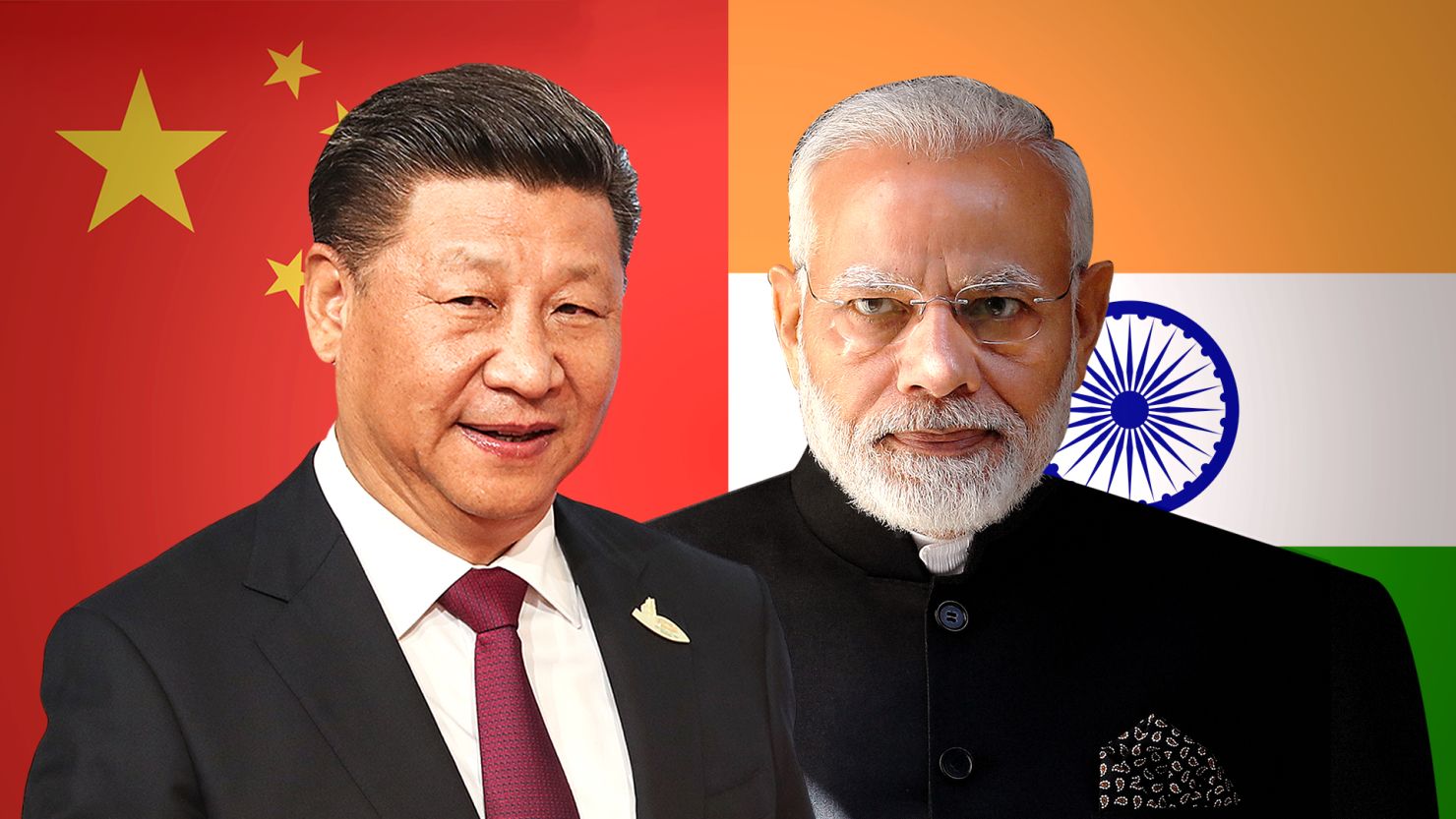
China India Relations As They Stand Today


As of May 24, 2025, China-India relations are experiencing a cautious thaw following a period of heightened tensions, particularly since the 2020 Galwan Valley clash. A border patrol agreement announced in October 2024 has led to disengagement in key friction points like Depsang and Demchok, with troops withdrawn and weekly coordinated patrols established. This progress was solidified by high-level meetings, including a Xi-Modi summit at the BRICS Summit in Kazan, Russia, in October 2024, and subsequent dialogues between foreign and defense ministers, culminating in a six-point consensus emphasizing border stability and cooperation.

Despite these steps, relations remain complex and fraught with challenges. The border dispute along the Line of Actual Control (LAC) persists, with de-escalation and troop reduction still incomplete. Both nations maintain significant military deployments and are enhancing infrastructure near the border, signaling a "hope for the best, prepare for the worst" approach. Deep-seated mistrust, rooted in historical conflicts like the 1962 Sino-Indian War and recent events, continues to shape interactions. India’s strategic autonomy and its growing ties with the U.S., particularly through the Quad, are viewed warily by China, which seeks to counterbalance this alignment.
Economically, China remains India’s largest trading partner, but the relationship is asymmetrical, with India facing a significant trade deficit. Cultural and diplomatic exchanges, such as the resumption of the Kailash Mansarovar Yatra and direct flights in 2025, signal efforts to normalize ties, but issues like China’s claims over Arunachal Pradesh and its blocking of India’s bids for UNSC permanent membership and NSG entry keep tensions alive. Recent India-Pakistan clashes over Kashmir have also strained the thaw, as China condemned terrorism but urged restraint, highlighting its strategic ties with Pakistan.
The Tibet issue, particularly the Dalai Lama’s succession, looms as a potential flashpoint, with his planned announcement in July 2025 likely to test bilateral relations. Overall, while 2025 shows signs of cautious progress, with both sides seeking stability amid global uncertainties, competing geopolitical interests and unresolved disputes suggest that relations will remain turbulent, balancing cooperation with underlying rivalry.


Rethinking Trade: A Blueprint for a Just and Thriving Global Economy
The $500 Billion Pivot: How the India-US Alliance Can Reshape Global Trade
Trump’s Trade War
Peace For Taiwan Is Possible
Formula For Peace In Ukraine
The Last Age of War, The First Age of Peace: Lord Kalki, Prophecies, and the Path to Global Redemption
AOC 2028: : The Future of American Progressivism

Rethinking Trade: A Blueprint for a Just and Thriving Global Economy
The $500 Billion Pivot: How the India-US Alliance Can Reshape Global Trade
Trump’s Trade War
Peace For Taiwan Is Possible
Formula For Peace In Ukraine
The Last Age of War, The First Age of Peace: Lord Kalki, Prophecies, and the Path to Global Redemption
AOC 2028: : The Future of American Progressivism

Rethinking Trade: A Blueprint for a Just and Thriving Global Economy
The $500 Billion Pivot: How the India-US Alliance Can Reshape Global Trade
Trump’s Trade War
Peace For Taiwan Is Possible
Formula For Peace In Ukraine
The Last Age of War, The First Age of Peace: Lord Kalki, Prophecies, and the Path to Global Redemption
AOC 2028: : The Future of American Progressivism

Rethinking Trade: A Blueprint for a Just and Thriving Global Economy
The $500 Billion Pivot: How the India-US Alliance Can Reshape Global Trade
Trump’s Trade War
Peace For Taiwan Is Possible
Formula For Peace In Ukraine
The Last Age of War, The First Age of Peace: Lord Kalki, Prophecies, and the Path to Global Redemption
AOC 2028: : The Future of American Progressivism

This Time Is Different: Why AI Isn’t Just the Next Tech Wave—It’s the End of Capitalism As We Know It


This Time Is Different: Why AI Isn’t Just the Next Tech Wave—It’s the End of Capitalism As We Know It

Every major technological leap—from the steam engine to the internet—has followed a familiar pattern. Old jobs are displaced, new ones are created, and a new economic order slowly emerges. The industrial revolution gave rise to factories. Electricity gave rise to mass consumer goods. The digital revolution created the software industry and the gig economy. And with each wave, society adapted. Capitalism bent, but it didn’t break.

Until now.

AI, robotics, and automation mark a break in that historical trend. For the first time in modern history, we face a technological force that is not simply reshuffling the economic deck but removing the need for human labor altogether in vast sectors of the economy. From customer service to transportation, from manufacturing to law and even coding—machines can now think, learn, and act faster, cheaper, and without fatigue.

This is not just a wave. It’s a tidal shift. And it breaks the fundamental engine of capitalism: labor for wages.

Capitalism’s Core Logic Is Failing

Capitalism is built on a simple premise: people sell their time and skills in exchange for money, which they then use to buy goods and services. But what happens when your time and skills are no longer needed? When an AI can do your job 24/7 for a fraction of the cost? When a factory runs in the dark with no workers, no lights, no shifts?

The old answer was: "Don’t worry—new industries will rise." And they will. But not at the same scale. Not fast enough. And not for everyone.

AI doesn't need armies of factory workers. It needs a handful of data scientists, some engineers, and endless electricity. The idea that we’ll all become prompt engineers or robot therapists is a fantasy for the few. For the many, the ladder of opportunity is collapsing faster than it can be rebuilt.

Enter Kalkiism: The Economic Paradigm Shift

The answer isn’t to panic—it’s to evolve. And that evolution already has a name: Kalkiism, also known as Karmaism. It’s not just an economic theory. It’s a blueprint for a post-capitalist world where human dignity is not tied to a paycheck, where automation liberates rather than enslaves, and where technology serves the collective good, not just corporate profits.

Kalkiism rejects the idea that value must be extracted from labor. Instead, it centers on Gross Domestic Requirement (GDR)—a framework that ensures every person receives what they need to live, learn, and contribute, regardless of their employment status. It proposes a universal time-based economy rooted in service, community, and karma—not cash.

Nepal: The Pilot Light of a New World

This isn’t utopia on paper. It’s reality in motion. A pilot project is launching in Nepal, a country often overlooked by global economic discourse but now positioned to lead the most radical transformation of the 21st century. In select communities, the principles of Kalkiism are being put into action: needs-based distribution, digital participation, local sovereignty, and a restructuring of value away from profit toward purpose.

Nepal may be small, but like Estonia was for e-governance or Bhutan for Gross National Happiness, it could become the global testbed for post-capitalist economics.

A Call to Wake Up

The fear around AI-driven job losses is real—but it is also a signal. Not to double down on obsolete systems. Not to scramble for outdated jobs. But to rethink the entire architecture of our economy.

This time is different. And that's a good thing—because this time, we have a chance not just to adapt, but to transcend.

The age of AI is not the end of opportunity. It is the beginning of a new form of civilization.

It’s time to leave behind the scarcity-based thinking of capitalism—and step into the abundance-driven ethos of Kalkiism.

The future is already here. And it begins in Nepal.


NRN Movement Needs A Bold Vision

Rethinking Trade: A Blueprint for a Just and Thriving Global Economy
The $500 Billion Pivot: How the India-US Alliance Can Reshape Global Trade
Trump’s Trade War
Peace For Taiwan Is Possible
Formula For Peace In Ukraine
The Last Age of War, The First Age of Peace: Lord Kalki, Prophecies, and the Path to Global Redemption
AOC 2028: : The Future of American Progressivism

Rethinking Trade: A Blueprint for a Just and Thriving Global Economy
The $500 Billion Pivot: How the India-US Alliance Can Reshape Global Trade
Trump’s Trade War
Peace For Taiwan Is Possible
Formula For Peace In Ukraine
The Last Age of War, The First Age of Peace: Lord Kalki, Prophecies, and the Path to Global Redemption
AOC 2028: : The Future of American Progressivism

Rethinking Trade: A Blueprint for a Just and Thriving Global Economy
The $500 Billion Pivot: How the India-US Alliance Can Reshape Global Trade
Trump’s Trade War
Peace For Taiwan Is Possible
Formula For Peace In Ukraine
The Last Age of War, The First Age of Peace: Lord Kalki, Prophecies, and the Path to Global Redemption
AOC 2028: : The Future of American Progressivism

Velocity Money: Crypto, Karma, and the End of Traditional Economics
The Next Decade of Biotech: Convergence, Innovation, and Transformation
Beyond Motion: How Robots Will Redefine The Art Of Movement
ChatGPT For Business: A Workbook
Becoming an AI-First Organization
Quantum Computing: Applications And Implications
Challenges In AI Safety
AI-Era Social Network: Reimagined for Truth, Trust & Transformation

Velocity Money: Crypto, Karma, and the End of Traditional Economics
The Next Decade of Biotech: Convergence, Innovation, and Transformation
Beyond Motion: How Robots Will Redefine The Art Of Movement
ChatGPT For Business: A Workbook
Becoming an AI-First Organization
Quantum Computing: Applications And Implications
Challenges In AI Safety
AI-Era Social Network: Reimagined for Truth, Trust & Transformation

Velocity Money: Crypto, Karma, and the End of Traditional Economics
The Next Decade of Biotech: Convergence, Innovation, and Transformation
Beyond Motion: How Robots Will Redefine The Art Of Movement
ChatGPT For Business: A Workbook
Becoming an AI-First Organization
Quantum Computing: Applications And Implications
Challenges In AI Safety
AI-Era Social Network: Reimagined for Truth, Trust & Transformation

Velocity Money: Crypto, Karma, and the End of Traditional Economics
The Next Decade of Biotech: Convergence, Innovation, and Transformation
Beyond Motion: How Robots Will Redefine The Art Of Movement
ChatGPT For Business: A Workbook
Becoming an AI-First Organization
Quantum Computing: Applications And Implications
Challenges In AI Safety
AI-Era Social Network: Reimagined for Truth, Trust & Transformation

Stratolaunch’s Hypersonic Plane Breaks Mach 5 and Lands Without a Pilot The Talon-A2 vehicle air-launched from the world's biggest aircraft and piloted itself at hypersonic speeds before landing in California. .......... Hypersonic vehicles have become the latest military prestige technology, and the US seems to be lagging its rivals. That could change after the successful flight of an autonomous and reusable hypersonic aircraft by US firm Stratolaunch. ........... In recent years, both China and Russia have unveiled missiles capable of hypersonic speeds, which means they can travel at more than five times the speed of sound. These weapons are both incredibly fast and highly maneuverable which makes them hard to track and intercept. .......... powered by a 5,000-pound-thrust reusable rocket engine built by US startup Ursa Major. The vehicle was air-launched over the Pacific Ocean by Stratolaunch’s Roc carrier plane—the largest aircraft in the world ......... the Talon-A2 can fly autonomously, which should make it far more useful for testing hypersonic weapon systems.

Scientists Can Now 3D Print Tissues Directly Inside the Body—No Surgery Needed A new bioprinter uses ultrasound to print tissues, biosensors, and medication depots deep in the body............. Our bodies are constantly breaking down. Over time, their built-in repair mechanisms also fail. Knee cartilage grinds away. Hip joints no longer support weight. Treatments for breast cancer and other health issues require removal by surgery. Because the body can’t regenerate those tissues, reconstruction using biomaterials is often the only way. ......... Dubbed deep tissue in vivo sound printing (DISP), the system uses an injectable bioink that’s liquid at body temperature but solidifies into structures when blasted with ultrasound. A monitoring molecule, also sensitive to ultrasound, tracks tissue printing in real time. Excess bioink is safely broken down by the body. ......... Thanks to its versatility, 3D printing has captured the imagination of bioengineers. The technology can be used to make artificial biological tissues, organs, or medical devices. .......... Bioprinters usually deposit one layer at a time. Each layer is solidified using light, then the next layer is laid on top of it. This layer-by-layer process takes time. More recently, an upgraded method called volumetric printing solidifies 3D structures with a single blast of carefully tailored light. The approach is faster but also constrained by how deeply light can pierce tissues. ......... Ultrasound can also trigger chemical reactions. In 2023, Zhang and colleagues engineered a molecular concoction dubbed “sono-ink” that solidifies when blasted with a specific frequency of sound waves. The team 3D printed multiple shapes inside isolated pork belly, liver, and kidneys and patched tissue damage in a goat heart. .......... The system works at roughly 40 millimeters a second, the average speed of an inkjet printer.

Velocity Money: Crypto, Karma, and the End of Traditional Economics
The Next Decade of Biotech: Convergence, Innovation, and Transformation
Beyond Motion: How Robots Will Redefine The Art Of Movement
ChatGPT For Business: A Workbook
Becoming an AI-First Organization
Quantum Computing: Applications And Implications
Challenges In AI Safety
AI-Era Social Network: Reimagined for Truth, Trust & Transformation

Rethinking Trade: A Blueprint for a Just and Thriving Global Economy
The $500 Billion Pivot: How the India-US Alliance Can Reshape Global Trade
Trump’s Trade War
Peace For Taiwan Is Possible
Formula For Peace In Ukraine
The Last Age of War, The First Age of Peace: Lord Kalki, Prophecies, and the Path to Global Redemption
AOC 2028: : The Future of American Progressivism

Monday, May 12, 2025

The Melting Glaciers: A Looming Crisis

 Melting of Himalayan glaciers has doubled in recent years

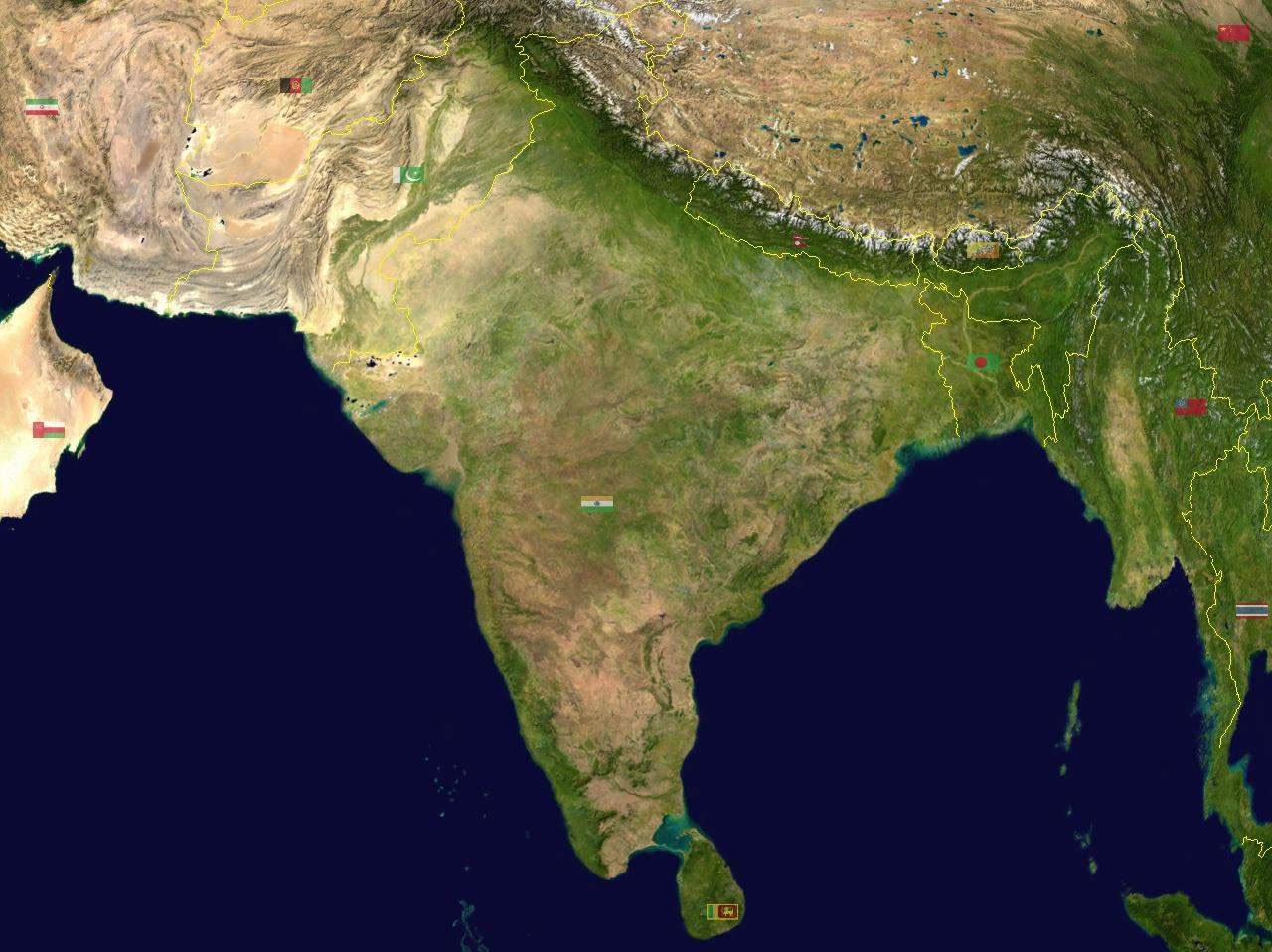
Climate change is not a distant threat for South Asia—it is a present and escalating crisis. The region, home to nearly two billion people, is experiencing severe impacts, particularly due to the rapid melting of Himalayan glaciers. These glaciers, often referred to as the "Third Pole" because they contain the largest reserve of freshwater outside the polar regions, are vital for the water security of countries like India, Pakistan, Nepal, Bhutan, and Bangladesh.(Wikipedia)


The Melting Glaciers: A Looming Crisis

Recent studies have shown that Himalayan glaciers are melting at an alarming rate. Since the start of the 21st century, these glaciers have been losing more than a vertical foot and a half of ice each year, which is double the melting rate from 1975 to 2000. In a symbolic gesture highlighting this crisis, Nepal held a funeral for the Yala Glacier on May 12, 2025, marking its near-disappearance due to climate change. (Phys.org, Financial Times)

The implications are profound. These glaciers feed major rivers like the Ganges, Indus, and Brahmaputra, which are essential for agriculture, drinking water, and hydropower. As glaciers retreat, the risk of glacial lake outburst floods (GLOFs) increases, posing threats to millions. A study indicates that 15 million people worldwide are at risk from such floods, with over half residing in India, Pakistan, Peru, and China. (New York Post, WIRED, AP News)


Projected Impacts in the Next Two Decades

If current trends continue, the next 10–20 years could see:

  • Water Scarcity: Glacier-fed rivers may experience reduced flow, especially during dry seasons, impacting agriculture and drinking water supplies.(New York Post)

  • Increased Flooding: Unpredictable monsoon patterns and GLOFs could lead to more frequent and severe floods.(WIRED)

  • Agricultural Disruption: Changes in water availability and extreme weather events could threaten food security.

  • Health Risks: Rising temperatures and water scarcity could lead to increased incidence of heat-related illnesses and waterborne diseases.


Mitigation and Adaptation Strategies

Addressing this crisis requires a multifaceted approach:

  • Emission Reductions: Implementing policies to reduce greenhouse gas emissions is crucial to slow down global warming.

  • Early Warning Systems: Investing in technology to predict and warn about GLOFs and extreme weather events can save lives.(WIRED)

  • Sustainable Water Management: Developing infrastructure and practices to use water more efficiently will help mitigate scarcity.(time.com)

  • Community Engagement: Educating and involving local communities in adaptation strategies ensures that solutions are practical and effective.


The Need for Collective Action

The scale of the challenge necessitates mass mobilization. Governments, civil society, and individuals must collaborate to implement and support climate-resilient policies and practices. International cooperation is also vital, as climate change knows no borders.

In conclusion, the melting of Himalayan glaciers is a clarion call for immediate and sustained action. The choices made today will determine the resilience of South Asia in the face of climate change.(Phys.org)


जलवायु परिवर्तन का संकट: दक्षिण एशिया के लिए हिमालयी ग्लेशियरों की चेतावनी


हिमालयी ग्लेशियरों का पिघलना: एक आसन्न संकट

जलवायु परिवर्तन दक्षिण एशिया के लिए कोई दूर की चेतावनी नहीं है—यह एक वर्तमान और तेजी से बढ़ता हुआ संकट है।
लगभग दो अरब लोगों की आबादी वाला यह क्षेत्र, विशेषकर हिमालयी ग्लेशियरों के तेजी से पिघलने से प्रभावित हो रहा है।
इन ग्लेशियरों को "तीसरा ध्रुव" भी कहा जाता है क्योंकि इनमें ध्रुवीय क्षेत्रों के बाद सबसे अधिक ताजे पानी का भंडार है।
भारत, पाकिस्तान, नेपाल, भूटान और बांग्लादेश जैसे देशों की जल सुरक्षा इन्हीं पर निर्भर है।

हाल के अध्ययनों से पता चला है कि हिमालयी ग्लेशियर खतरनाक गति से पिघल रहे हैं।
21वीं सदी की शुरुआत से अब तक ये ग्लेशियर हर साल औसतन डेढ़ फीट ऊँचाई तक पिघल चुके हैं — यह दर 1975 से 2000 तक की तुलना में दोगुनी है।
इस संकट पर प्रकाश डालने के लिए नेपाल ने 12 मई 2025 को याला ग्लेशियर के लिए एक प्रतीकात्मक "अंत्येष्टि" भी आयोजित की, क्योंकि यह लगभग गायब हो चुका है।

यह केवल बर्फ के पिघलने की बात नहीं है — इसके दूरगामी प्रभाव हैं:
गंगा, सिंधु और ब्रह्मपुत्र जैसी नदियाँ इन्हीं ग्लेशियरों से निकलती हैं। ये नदियाँ खेती, पीने के पानी और जलविद्युत के लिए आवश्यक हैं।
जैसे-जैसे ग्लेशियर पीछे हटते हैं, ग्लेशियल झील फटने (Glacial Lake Outburst Floods - GLOFs) की घटनाएँ बढ़ती हैं, जो लाखों लोगों के लिए खतरा बनती हैं।
एक अध्ययन के अनुसार, दुनिया भर में 1.5 करोड़ लोग GLOFs के खतरे में हैं, जिनमें से आधे से अधिक भारत, पाकिस्तान, पेरू और चीन में रहते हैं।


अगले 10–20 वर्षों में संभावित प्रभाव

यदि वर्तमान रुझान जारी रहे, तो अगले दो दशकों में दक्षिण एशिया को निम्नलिखित संकटों का सामना करना पड़ सकता है:

  • जल संकट:
    ग्लेशियरों से मिलने वाला पानी धीरे-धीरे कम हो जाएगा, जिससे सूखे मौसमों में सिंचाई और पीने के पानी की समस्या होगी।

  • बाढ़ का खतरा:
    अनियमित मानसून और GLOFs के कारण अचानक बाढ़ें आम हो सकती हैं।

  • कृषि में अस्थिरता:
    पानी की उपलब्धता में बदलाव और चरम मौसम की घटनाएं खाद्य सुरक्षा के लिए खतरा बनेंगी।

  • स्वास्थ्य संबंधी खतरे:
    बढ़ते तापमान और जल संकट से गर्मी से संबंधित बीमारियाँ और जलजनित रोग बढ़ सकते हैं।


समाधान और अनुकूलन की रणनीतियाँ

इस संकट का मुकाबला करने के लिए कई स्तरों पर प्रयासों की आवश्यकता है:

  • ग्रीनहाउस गैस उत्सर्जन में कटौती:
    वैश्विक तापमान को नियंत्रित करने के लिए उत्सर्जन में तत्काल कमी जरूरी है।

  • पूर्व चेतावनी प्रणाली:
    GLOFs और चरम मौसम की भविष्यवाणी करने वाली तकनीकों में निवेश कर जानमाल की रक्षा की जा सकती है।

  • जल प्रबंधन का आधुनिकीकरण:
    जल उपयोग की दक्षता बढ़ाने के लिए बुनियादी ढाँचे और व्यवहार में सुधार आवश्यक है।

  • जन सहभागिता:
    स्थानीय समुदायों को शिक्षित करना और उन्हें समाधानों का हिस्सा बनाना स्थायी परिणाम देगा।


एकजुट जन आंदोलन की आवश्यकता

इस संकट का सामना करने के लिए केवल सरकारी नीतियाँ काफी नहीं होंगी।
हमें समाज के हर स्तर पर जन आंदोलन की आवश्यकता है — नीति-निर्माताओं, नागरिक संगठनों, स्कूलों, और व्यक्तिगत स्तर पर।
जलवायु परिवर्तन सीमाओं को नहीं मानता, इसलिए अंतरराष्ट्रीय सहयोग भी अत्यंत आवश्यक है।


निष्कर्ष

हिमालयी ग्लेशियरों का पिघलना एक गंभीर चेतावनी है।
यह केवल पर्यावरण की बात नहीं है — यह जल, खाद्य, ऊर्जा और मानव जीवन की सुरक्षा की बात है।
आज लिए गए निर्णय यह तय करेंगे कि दक्षिण एशिया जलवायु संकट का सामना कैसे करेगा।
अब भी समय है — अगर हम संगठित, जागरूक और सक्रिय हो जाएं तो सबसे बुरे परिणामों से बचा जा सकता है।


Friday, May 09, 2025

The Forgotten Casualties of the Trade War: Africa and South Asia Deserve a Fair Shot

Toward a Fair and Inclusive US-China Trade Architecture
A Blueprint for Fair and Inclusive US-China Trade Architecture

A New Architecture For Global Trade Emerging
Fixing Education in America: Lessons from the Best School Systems Around the World
World-Class Learning: The Rich Countries with the Best Education Systems
How to Fix Health Care in America: Lower Costs and Cover Everyone
Neither Aid Nor Trade: The Hidden Cost of the US-China Trade War on the World’s Poorest
How Singapore Handles Retirement
Tit-for-Tat Scenarios and De-escalation Roadmap for Operation Sindoor Using Game Theory
Harnessing the Sun from Space: China's Ambitious Leap into Orbital Solar Power


The Forgotten Casualties of the Trade War: Africa and South Asia Deserve a Fair Shot

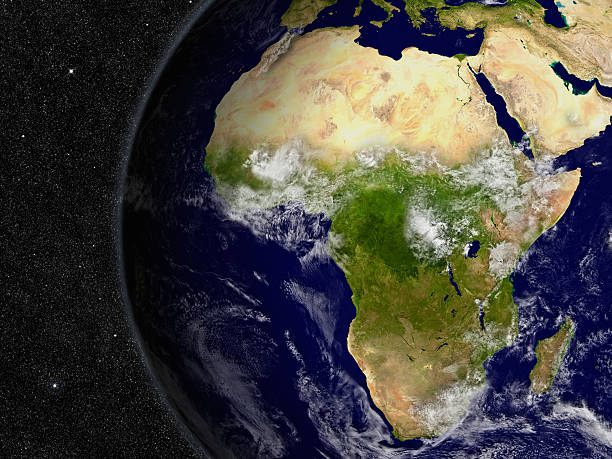
In the escalating tensions of the ongoing trade war, headlines are dominated by the rivalry between two global titans—China and the United States. The world watches as tariffs fly, supply chains reorganize, and multilateral alliances shift. But amidst this geopolitical chess match, my concern does not lie with Washington or Beijing. I am not worried about the future of Silicon Valley or the fate of Shenzhen’s factories. I am worried about something far more fragile, far more urgent: the lives and futures of ordinary people in Africa and South Asia.

Because when giants fight, it's the grass that gets trampled.

Trade has been one of humanity’s most powerful engines for lifting people out of poverty. From the textile boom in Bangladesh to the tech outsourcing revolution in India, from cashew exports in West Africa to flower farms in Kenya—access to global markets has offered millions a ladder out of deprivation. But as tariffs rise and trade corridors shift, the weakest economies stand to lose the most.

Let’s be clear: this is not about defending corrupt regimes or bloated bureaucracies. It’s not about African or South Asian politicians. It’s about the farmer in Bihar who wants to sell mangoes abroad. It’s about the garment worker in Dhaka whose factory order just got canceled. It’s about the Kenyan small business that was finally breaking into international e-commerce—only to be priced out due to shifting regulations or currency volatility sparked by trade battles they had no part in.

These people deserve preferential treatment—not as charity, but as justice. The global trade system should be calibrated to level the playing field, not tilt it further against the most vulnerable. That means granting duty-free access to products from the Least Developed Countries (LDCs). That means supporting infrastructure, financing, and digital access so that small producers can compete. That means acknowledging that "fair trade" must go beyond the powerful negotiating among themselves.

If we are serious about eradicating poverty—truly serious—then we must build a trade architecture that includes and uplifts the poorest. Not just with slogans, but with enforceable commitments. Not just with development aid, but with a real seat at the table.

The poorest of the world do not need protectionism. They need partnership.

And in this trade war, they are the ones who risk losing the most—while having done the least to cause it.

Let’s not forget them.


China's Potential and Likely Concessions
The Rise of Bilateral Currency Agreements
What Happens if Trump’s Approval Rating Falls Below 30%? Political Fallout Scenarios
Methods of Rerouting Exports
The Fentanyl Crisis: Unraveling a Global Web of Death, Trade, and Geopolitics
India-US Trade: Mapping the Path to $500 Billion by 2030
The Global Push for Dedollarization
China and the United States: A Tale of Two Political Systems
"Who Will Blink First" Is the Wrong Question in Global Trade
AOC 2028? The Possibility, the Platform, and the Path Ahead

Trump’s Trade War
Peace For Taiwan Is Possible
The Last Age of War, The First Age of Peace: Lord Kalki, Prophecies, and the Path to Global Redemption
AOC 2028: : The Future of American Progressivism

9: Jay Sah