Pages

Showing posts with label Global warming. Show all posts

Sunday, July 13, 2025

नेपाली हिमालय ३० वर्षभित्र पग्लन सक्छ — अहिले नउठ्ने हो भने पछि उठ्ने समय नै नआउला


🌍 नेपाली हिमालय ३० वर्षभित्र पग्लन सक्छ — अहिले नउठ्ने हो भने पछि उठ्ने समय नै नआउला 🏔️💧

कल्पना गर्नुहोस् — नेपाल बिना हिउँको हिमालहरूका।
कल्पना गर्नुहोस् — माछापुच्छ्रे शिखर बिना सेतो मुकुटको।
कल्पना गर्नुहोस् — सुकिरहेका नदीहरू, बर्बाद हुँदै गएका खेतहरू, र मानिसहरू भोक होइन, तिर्खाले मर्न थालेका।

यो कुनै कल्पना होइन। यो कडो वास्तविकता हो।

ICIMOD (International Centre for Integrated Mountain Development) जस्ता ख्यातिप्राप्त अनुसन्धान संस्थाहरूका अनुसार,
२०९० सालसम्म नेपालका हिमाली क्षेत्रका ७५% हिउँ हराउनेछ।
र केही क्षेत्रमा त यो प्रक्रिया पहिले नै सम्पन्न भइसकेको छ — माछापुच्छ्रे पर्वतले २०२४ मै आफ्नो १००% हिउँ गुमाइसकेको छ।

अब प्रश्न उठ्छ — यस्तो भयो किन?
र, अझ महत्वपूर्ण — अब हामी के गर्न सक्छौं?


🔍 नेपाली हिमालयलाई कसले पगाल्दैछ?

यो प्रकोप टाढाबाट होइन, हामीकै सहर, हाम्रै नीति, र हाम्रै जीवनशैलीबाट सुरु भएको हो।
मुख्य कारणहरू यस्ता छन्:

1. जनसंख्या विस्फोट र सहरीकरण

काठमाडौं, पोखरा, जनकपुर जस्ता प्रमुख सहरहरू अत्यधिक भीडभाड, ट्राफिक र वायु प्रदूषणको केन्द्र बनेका छन्।
तेज गतिमा बन्दै गएको सहरीकरणले नेपाललाई कार्बन उत्सर्जनको प्रमुख श्रोत बनाइदिएको छ।

2. पेट्रोल-डिजेलको निर्भरता

सार्वजनिक यातायातको अभावका कारण प्रायः हरेक घरमा मोटरसाइकल वा स्कूटर अनिवार्य जस्तै छ।
यी सबै सवारी साधनले हरेक दिन वातावरणमा ठूलो मात्रामा प्रदूषण फैलाइरहेका छन् — जसले ग्लोबल वार्मिङ बढाइरहेको छ।

3. जंगल विनाश र डढेलो

नेपालका पहाडी र तराई क्षेत्रहरूमा निरन्तर डढेलो, अवैध कटानी र विकासको नाममा विनाशले कार्बन सोस्ने प्राकृतिक प्रणालीलाई कमजोर बनाइदिएको छ।
जंगलविना वातावरणको सन्तुलन सम्भव छैन।

4. छिमेकी चीन र भारतबाट प्रदूषणको असर

नेपाल भारत र चीनबीचको "क्लाइमेट स्यान्डविच" हो।
चीनका कारखानाहरू र भारतको कोइलामा आधारित ऊर्जा उत्पादन प्रणालीले भयानक रूपमा नेपालका हावापानी र हिमाली चक्रलाई प्रभावित गरिरहेका छन्।

5. नीतिगत असफलता र सरकारको निष्क्रियता

सरकारले "Net Zero 2045" जस्ता ठूला कुरा त गर्छ,
तर व्यवहारमा शून्य कार्यान्वयन हुन्छ।
कागजमा योजना छन्, तर भूमिमा परिवर्तन छैन।


❄️ यथार्थ: अब हिमालमा हिउँ छैन!

ICIMOD को रिपोर्ट अनुसार:

  • यदि अहिलेको गति यथावत् रह्यो भने, AD 2090 सालसम्म ७५% हिमाली हिउँ हराउनेछ।

  • माछापुच्छ्रे जस्तो शिखरले त २०२४ मै पूरै हिउँ गुमाइसकेको छ।

यो केवल दृश्यको कुरा होइन—यो जीवन र अस्तित्वको प्रश्न हो।


🚨 यदि हामी अझै चुप बस्यौं भने के हुन्छ?

यदि हामीले अझै केही गरेनौं भने,
नेपाल अस्तित्व संकटमा फस्नेछ।
त्यो भविष्य यस्तो हुनेछ:

  • नदीहरू सुक्नेछन्, सिँचाइ प्रणाली बन्द हुनेछ

  • कृषि प्रणाली ध्वस्त हुनेछ, खाद्यान्न संकट बढ्नेछ

  • पानीको तिर्खा भोकभन्दा ठूलो शत्रु बन्नेछ

  • ⛔ नेपाल जलसम्पन्न राष्ट्रबाट जलसंकटग्रस्त राष्ट्र बन्नेछ

यसको समाधान वातावरणीय क्रान्ति हो—अहिले र यहीँ।


🌱 समाधान: कल्किवादको बाटो

तर अझै ढिलो भइसकेको छैन।

कल्किवादी विचारधाराले प्रस्ताव गरेको नयाँ राजनीतिक, आर्थिक र वातावरणीय मोडेलले नेपाललाई बचाउन सक्छ।
सत्ययुग समाज पार्टीDr. Ramit नेतृत्वको आन्दोलन यस क्रान्तिको अगुवाइ गर्दै छन्।

९०% रोजगारी हिँडेर पुग्न सकिने दूरीमा

सहरतर्फको भीड घटाउने, स्थानीय उत्पादन र सेवामा आधारित गाउँ केन्द्रित अर्थतन्त्र बनाउने।
पेट्रोल गाडी होइन, पैदल जीवनशैलीलाई प्रोत्साहन

पेट्रोल होइन, स्मार्ट मुद्रा

कल्किवादले प्रस्ताव गर्छ—स्मार्ट मुद्रा प्रणाली,
जहाँ डिजिटल लेनदेन पारदर्शी हुन्छ, भ्रष्टाचार अन्त्य हुन्छ,
हर एक रुपैयाँ वातावरणमैत्री कार्यमा जोडिन्छ।

जंगल जोगाएर हिमालय जोगाउने नीति

जंगललाई राष्ट्रिय सम्पदा र सुरक्षाको हिस्सा मानेर पूर्ण संरक्षण, सामुदायिक वनको सशक्तिकरण,
वन पुनःस्थापना अभियान सञ्चालन गरिने।


✊ अब उठ्नुपर्ने बेला आएको छ

यो केवल आह्वान होइन, जागरणको घण्टी हो।

नेपाल प्राकृतिक प्रलयतर्फ अघि बढ्दैछ
हामीले अझै पनि आँखामुनि भएका संकटहरू हेर्न अस्वीकार गरिरहेछौं।
अब विदेशी सहायता पर्खेर बस्ने समय छैन।
अब भाषणको होइन—कार्यको समय हो।

हिमालहरू पग्लँदैछन्। नेपाल सुक्दैछ। हाम्रो पुस्ताको भविष्य हराउँदैछ।

तर आशा अझै बाँकी छ।
नयाँ सोच, नयाँ पुस्ता, नयाँ नीति।
कल्किवादको क्रान्ति अहिले आवश्यक छ।


🖤 साझा गर्नका लागि प्रमुख ह्यासट्यागहरू:

#SaveHimalaya
#Kalkiism
#DrRamitRevolution
#SatyayugSamajParty
#2035पछि_नेपाल_सुक्छ_यदि_अहिले_उठिएनभने


अर्को ३० वर्षले अर्को ३०० वर्षको भविष्य निर्धारण गर्नेछ — निर्णय तपाईंको हो।


🌍 The Nepali Himalayas Could Melt Within 30 Years — Wake Up Before It's Too Late! 🏔️💧

Imagine a Nepal without the snow-capped Himalayas.
Imagine Machhapuchhre without its majestic white crown.
Imagine rivers running dry, farms failing, and people dying—not from hunger, but from thirst.

This is not a dystopian fantasy. This is a very real possibility. According to leading scientists and verified research bodies like ICIMOD (International Centre for Integrated Mountain Development), the Himalayas could lose up to 75% of their ice by 2090—and in some places, the damage has already been done. Machhapuchhre lost all of its snow by 2024.

So, how did we get here? And what can be done to stop this impending disaster?


🔍 What’s Melting the Nepali Himalayas?

The root causes of this looming environmental catastrophe are not far away. They lie within our cities, our policies, and our lifestyles. Let’s break them down:

1. Population Explosion and Urbanization

Nepal’s major cities—Kathmandu, Pokhara, Janakpur, and others—are overcrowded, poorly planned, and heavily polluted. The rapid increase in urban population has led to unchecked construction, vehicular congestion, and a dangerous spike in carbon emissions, making cities hotspots for climate degradation.

2. Petrol and Diesel Dependency

In the absence of an efficient public transportation system, almost every Nepali household owns a two-wheeler. Motorcycles, scooters, and diesel vehicles dominate our roads, releasing toxic emissions that accelerate global warming and melt the glaciers that feed our rivers.

3. Deforestation and Forest Fires

The hills and plains (Terai) of Nepal have witnessed relentless deforestation—whether through timber extraction, agricultural expansion, or seasonal wildfires. Forests act as natural carbon sinks, and their destruction weakens Nepal’s ability to regulate climate and store water.

4. Industrial Pollution from China and India

Nepal may be small, but it is trapped between two industrial giants—China and India. China’s factories and India’s coal-based energy plants release massive amounts of greenhouse gases into the atmosphere, directly affecting air and temperature patterns in the Himalayan region.

5. Policy Paralysis and Government Inaction

Despite bold declarations like “Net Zero by 2045,” the Nepali government has taken little meaningful action to combat climate change. Policies remain on paper, while emissions, logging, and urban sprawl continue unchecked.


❄️ The Alarming Forecast: No More Snow?

According to ICIMOD, if Nepal continues on its current trajectory:

  • By 2090, three-quarters of the Himalayan ice will be gone.

  • Some peaks like Machhapuchhre have already lost 100% of their ice caps by 2024.

This isn’t just about scenery—it’s about survival.


🚨 What Happens If We Do Nothing?

If we ignore the climate emergency, Nepal will face an existential crisis within the next few decades. Here’s what the future holds:

  • Dry rivers will mean no irrigation, no agriculture, and widespread food insecurity.

  • ⛔ The drinking water crisis will intensify—"water scarcity" will replace "water-rich Nepal."

  • ⛔ Villages and even major cities could see migration, conflict, and collapse.

  • Climate refugees could become the new norm in South Asia.

Make no mistake: this is a national emergency.


🌱 A New Path: The Kalkiist Solution

It’s not too late. But it will be soon. The Kalkiist vision, proposed by reformist thinkers and environmentalists under the banner of Satyayug Samaj Party, offers a realistic, implementable alternative to environmental collapse.

Here’s what Kalkiism proposes:

Job Localization: 90% Employment Within Walking Distance

Instead of building mega-cities and highways, focus on hyper-local economies. Let people work where they live, reducing the need for fuel-burning commutes.

Smart Currency Over Petrol Dependency

Kalkiism introduces a corruption-proof, digital monetary system called Smart Currency that incentivizes green behavior, reduces dependence on fossil fuels, and helps enforce environmental spending priorities.

Forest-Centric Climate Policy

Kalkiist governance would treat forests as sacred national assets. This includes a total ban on deforestation, government-led reforestation programs, and community-based forest management systems.


✊ The Time to Rise Is Now

This isn’t just a call for action. It’s a call for awakening.

Nepal cannot afford to sleepwalk into climate devastation.
We cannot wait for international aid.
We cannot depend on hollow speeches.

The Himalayas are melting. Nepal is drying. Our children’s future is disappearing.

But there is hope.
There is a new political and economic vision.
There is a new generation rising.

💥 Join the #Kalkiism movement.
💥 Vote for green revolution through the #SatyayugSamajParty.
💥 Support the #DrRamitRevolution.
💥 Spread awareness with #SaveHimalaya.


🖤 Hashtags to Share:

#SaveHimalaya
#Kalkiism
#DrRamitRevolution
#SatyayugSamajParty
#NepalDriesAfter2035_IfWeDontActNow


The next 30 years will decide the next 300. Choose wisely.


🌍 नेपाली हिमालय 30 वर्षों में पिघल सकता है — अगर अब नहीं जागे तो फिर कभी नहीं 🏔️💧

कल्पना कीजिए — नेपाल के बिना बर्फीले हिमालय।
कल्पना कीजिए — माछापुच्छ्रे शिखर बिना अपने सफेद मुकुट के।
कल्पना कीजिए — सूखी हुई नदियाँ, बर्बाद होते खेत, और लोग भूख नहीं, बल्कि प्यास से मरते हुए।

यह कोई कल्पना नहीं है — यह एक डरावनी सच्चाई है।

ICIMOD (International Centre for Integrated Mountain Development) जैसे प्रतिष्ठित अनुसंधान संस्थानों के अनुसार,
वर्ष 2090 तक नेपाल के हिमालयी क्षेत्रों की 75% बर्फ पिघल जाएगी।
और कुछ जगहों पर यह प्रक्रिया पहले ही पूरी हो चुकी है — माछापुच्छ्रे पर्वत ने 2024 में अपनी 100% बर्फ खो दी है।

अब सवाल यह है — यह हुआ कैसे?
और उससे भी बड़ा सवाल — अब क्या किया जा सकता है?


🔍 कौन पिघला रहा है नेपाली हिमालय?

इस आपदा की जड़ें कहीं दूर नहीं, बल्कि हमारे शहरों, हमारी नीतियों, और हमारी जीवनशैली में छिपी हैं।
मुख्य कारण निम्नलिखित हैं:

1. जनसंख्या विस्फोट और शहरीकरण

काठमांडू, पोखरा, जनकपुर जैसे शहर अत्यधिक भीड़भाड़, ट्रैफिक और वायु प्रदूषण के केंद्र बन चुके हैं।
तेजी से हो रहा शहरीकरण नेपाल को कार्बन उत्सर्जन का केंद्र बना रहा है।

2. पेट्रोल और डीजल पर निर्भरता

सार्वजनिक परिवहन की कमी के कारण लगभग हर घर में एक बाइक या स्कूटर अनिवार्य बन चुका है।
इन सभी वाहनों से हर दिन भारी मात्रा में प्रदूषण होता है — जिससे ग्लोबल वॉर्मिंग बढ़ रही है और हिमालय तेजी से पिघल रहा है।

3. जंगल की कटाई और आग

नेपाल के पहाड़ी और तराई क्षेत्रों में लगातार जंगलों की कटाई, आग और अनियंत्रित विकास ने
कार्बन सोखने वाली प्राकृतिक प्रणाली को कमजोर कर दिया है।
बिना जंगल के, जलवायु का संतुलन असंभव है।

4. चीन और भारत से आ रहा औद्योगिक प्रदूषण

नेपाल भारत और चीन के बीच फंसा हुआ है।
चीन के कारखानों और भारत के कोयला-आधारित ऊर्जा संयंत्रों से निकलने वाला प्रदूषण
सीधे नेपाल के वातावरण, हवाओं और बर्फीली चक्रों को नुकसान पहुँचा रहा है।

5. नीतिगत विफलता और सरकारी निष्क्रियता

सरकार “Net Zero 2045” जैसे बड़े वादे करती है,
लेकिन जमीनी स्तर पर ज़ीरो काम होता है।
योजनाएँ कागज पर ही रहती हैं, धरातल पर कोई बदलाव नहीं आता।


❄️ सच्चाई: हिमालय से बर्फ गायब हो रही है

ICIMOD की रिपोर्ट के अनुसार:

  • अगर मौजूदा रफ्तार बनी रही तो, सन् 2090 तक हिमालय की 75% बर्फ गायब हो जाएगी।

  • और माछापुच्छ्रे शिखर ने तो 2024 में ही अपनी सारी बर्फ खो दी है।

यह सिर्फ प्राकृतिक सौंदर्य की बात नहीं है—यह जीवन और अस्तित्व का मुद्दा है।


🚨 अगर हमने अभी भी कुछ नहीं किया तो क्या होगा?

अगर हम अभी भी चुपचाप बैठे रहे,
तो नेपाल एक अस्तित्व के संकट में डूब जाएगा।

  • नदियाँ सूख जाएँगी, सिंचाई असंभव हो जाएगी

  • खेती चौपट हो जाएगी, खाद्यान्न संकट फैलेगा

  • प्यास भूख से ज़्यादा लोगों को मारेगी

  • ⛔ नेपाल जलसंपन्न देश से जलसंकटग्रस्त देश बन जाएगा

इसका हल है — वातावरणीय क्रांति। अभी और यहीं।


🌱 समाधान: चलें कल्किवाद की राह

अब भी देर नहीं हुई है।

कल्किवादी विचारधारा ने एक वैकल्पिक राजनीतिक, आर्थिक और पर्यावरणीय मॉडल प्रस्तुत किया है
जो नेपाल को इस संकट से उबार सकता है।
सत्ययुग समाज पार्टी और डॉ. रामित के नेतृत्व में चल रही क्रांति इस बदलाव की अगुवाई कर रही है।

90% रोजगार पैदल दूरी पर

बड़े शहरों और हाइवे के बजाय, स्थानीय अर्थव्यवस्था और स्वावलंबन पर ध्यान दिया जाएगा।
लोग वहीं काम करेंगे, जहाँ वे रहते हैं—प्रदूषण घटेगा, जीवन सुधरेगा।

पेट्रोल की जगह स्मार्ट मुद्रा

कल्किवाद लाता है स्मार्ट करेंसी,
एक डिजिटल मुद्रा प्रणाली जो भ्रष्टाचार मुक्त, पारदर्शी और पर्यावरण-अनुकूल है।
यह हर लेन-देन को ट्रैक करता है और हर खर्च को सही दिशा में लगाता है।

जंगल बचाओ, हिमालय बचाओ नीति

कल्किवादी शासन में जंगलों को राष्ट्रीय संपत्ति और सुरक्षा का प्रतीक माना जाएगा।
वनों की कटाई पर प्रतिबंध, पुनः वनीकरण, और सामुदायिक वन प्रबंधन को बढ़ावा दिया जाएगा।


✊ अब उठने का समय आ गया है

यह सिर्फ एक नारा नहीं है — यह जागने की घंटी है।

नेपाल प्राकृतिक विनाश की ओर बढ़ रहा है।
हम अब और इंतज़ार नहीं कर सकते।
हम किसी अंतरराष्ट्रीय मदद पर निर्भर नहीं रह सकते।
अब वक्त है — कार्य करने का।

हिमालय पिघल रहे हैं। नेपाल सूख रहा है। हमारे बच्चों का भविष्य धुंधला हो रहा है।

लेकिन अभी भी आशा है।
नए विचार हैं, नई पीढ़ी है, और एक नई दिशा है।
कल्किवाद ही वह दिशा है।


🖤 शेयर करने योग्य हैशटैग:

#SaveHimalaya
#Kalkiism
#DrRamitRevolution
#SatyayugSamajParty
#2035केबाद_नेपाल_सूखेगाअगर_अबनहींउठे


आने वाले 30 साल अगले 300 साल का भविष्य तय करेंगे — निर्णय आपके हाथ में है।


NRN Movement Needs A Bold Vision 


अब धोखाधडीको युग समाप्त हुनुपर्छ — नेपालले सत्य, योग्यता र ज्ञानमा आधारित भविष्यको हकदार छ
कल्किवादी अनुसन्धान तथा तालिम केन्द्र: नेपालको साहसी नयाँ भविष्यको खाका
स्मार्ट मुद्रा: नेपालको नगदविहीन, भ्रष्टाचारमुक्त भविष्यतर्फको छलाङ
नेपाली हिमालय ३० वर्षभित्र पग्लन सक्छ — अहिले नउठ्ने हो भने पछि उठ्ने समय नै नआउला
अब धोखाधडीको युग समाप्त हुनुपर्छ — नेपालले सत्य, योग्यता र ज्ञानमा आधारित भविष्यको हकदार छ
अब धोखाधडीको युग समाप्त हुनुपर्छ — मुस्लिम विश्व सत्य, न्याय र ज्ञानमा आधारित भविष्यको हकदार छ
कोरोनाभन्दा खतरनाक महामारी आउँदैछ — र नेपाल सबैभन्दा पहिले प्रभावित हुन सक्छ

Monday, May 12, 2025

The Melting Glaciers: A Looming Crisis

 Melting of Himalayan glaciers has doubled in recent years

Climate change is not a distant threat for South Asia—it is a present and escalating crisis. The region, home to nearly two billion people, is experiencing severe impacts, particularly due to the rapid melting of Himalayan glaciers. These glaciers, often referred to as the "Third Pole" because they contain the largest reserve of freshwater outside the polar regions, are vital for the water security of countries like India, Pakistan, Nepal, Bhutan, and Bangladesh.(Wikipedia)


The Melting Glaciers: A Looming Crisis

Recent studies have shown that Himalayan glaciers are melting at an alarming rate. Since the start of the 21st century, these glaciers have been losing more than a vertical foot and a half of ice each year, which is double the melting rate from 1975 to 2000. In a symbolic gesture highlighting this crisis, Nepal held a funeral for the Yala Glacier on May 12, 2025, marking its near-disappearance due to climate change. (Phys.org, Financial Times)

The implications are profound. These glaciers feed major rivers like the Ganges, Indus, and Brahmaputra, which are essential for agriculture, drinking water, and hydropower. As glaciers retreat, the risk of glacial lake outburst floods (GLOFs) increases, posing threats to millions. A study indicates that 15 million people worldwide are at risk from such floods, with over half residing in India, Pakistan, Peru, and China. (New York Post, WIRED, AP News)


Projected Impacts in the Next Two Decades

If current trends continue, the next 10–20 years could see:

  • Water Scarcity: Glacier-fed rivers may experience reduced flow, especially during dry seasons, impacting agriculture and drinking water supplies.(New York Post)

  • Increased Flooding: Unpredictable monsoon patterns and GLOFs could lead to more frequent and severe floods.(WIRED)

  • Agricultural Disruption: Changes in water availability and extreme weather events could threaten food security.

  • Health Risks: Rising temperatures and water scarcity could lead to increased incidence of heat-related illnesses and waterborne diseases.


Mitigation and Adaptation Strategies

Addressing this crisis requires a multifaceted approach:

  • Emission Reductions: Implementing policies to reduce greenhouse gas emissions is crucial to slow down global warming.

  • Early Warning Systems: Investing in technology to predict and warn about GLOFs and extreme weather events can save lives.(WIRED)

  • Sustainable Water Management: Developing infrastructure and practices to use water more efficiently will help mitigate scarcity.(time.com)

  • Community Engagement: Educating and involving local communities in adaptation strategies ensures that solutions are practical and effective.


The Need for Collective Action

The scale of the challenge necessitates mass mobilization. Governments, civil society, and individuals must collaborate to implement and support climate-resilient policies and practices. International cooperation is also vital, as climate change knows no borders.

In conclusion, the melting of Himalayan glaciers is a clarion call for immediate and sustained action. The choices made today will determine the resilience of South Asia in the face of climate change.(Phys.org)


जलवायु परिवर्तन का संकट: दक्षिण एशिया के लिए हिमालयी ग्लेशियरों की चेतावनी


हिमालयी ग्लेशियरों का पिघलना: एक आसन्न संकट

जलवायु परिवर्तन दक्षिण एशिया के लिए कोई दूर की चेतावनी नहीं है—यह एक वर्तमान और तेजी से बढ़ता हुआ संकट है।
लगभग दो अरब लोगों की आबादी वाला यह क्षेत्र, विशेषकर हिमालयी ग्लेशियरों के तेजी से पिघलने से प्रभावित हो रहा है।
इन ग्लेशियरों को "तीसरा ध्रुव" भी कहा जाता है क्योंकि इनमें ध्रुवीय क्षेत्रों के बाद सबसे अधिक ताजे पानी का भंडार है।
भारत, पाकिस्तान, नेपाल, भूटान और बांग्लादेश जैसे देशों की जल सुरक्षा इन्हीं पर निर्भर है।

हाल के अध्ययनों से पता चला है कि हिमालयी ग्लेशियर खतरनाक गति से पिघल रहे हैं।
21वीं सदी की शुरुआत से अब तक ये ग्लेशियर हर साल औसतन डेढ़ फीट ऊँचाई तक पिघल चुके हैं — यह दर 1975 से 2000 तक की तुलना में दोगुनी है।
इस संकट पर प्रकाश डालने के लिए नेपाल ने 12 मई 2025 को याला ग्लेशियर के लिए एक प्रतीकात्मक "अंत्येष्टि" भी आयोजित की, क्योंकि यह लगभग गायब हो चुका है।

यह केवल बर्फ के पिघलने की बात नहीं है — इसके दूरगामी प्रभाव हैं:
गंगा, सिंधु और ब्रह्मपुत्र जैसी नदियाँ इन्हीं ग्लेशियरों से निकलती हैं। ये नदियाँ खेती, पीने के पानी और जलविद्युत के लिए आवश्यक हैं।
जैसे-जैसे ग्लेशियर पीछे हटते हैं, ग्लेशियल झील फटने (Glacial Lake Outburst Floods - GLOFs) की घटनाएँ बढ़ती हैं, जो लाखों लोगों के लिए खतरा बनती हैं।
एक अध्ययन के अनुसार, दुनिया भर में 1.5 करोड़ लोग GLOFs के खतरे में हैं, जिनमें से आधे से अधिक भारत, पाकिस्तान, पेरू और चीन में रहते हैं।


अगले 10–20 वर्षों में संभावित प्रभाव

यदि वर्तमान रुझान जारी रहे, तो अगले दो दशकों में दक्षिण एशिया को निम्नलिखित संकटों का सामना करना पड़ सकता है:

  • जल संकट:
    ग्लेशियरों से मिलने वाला पानी धीरे-धीरे कम हो जाएगा, जिससे सूखे मौसमों में सिंचाई और पीने के पानी की समस्या होगी।

  • बाढ़ का खतरा:
    अनियमित मानसून और GLOFs के कारण अचानक बाढ़ें आम हो सकती हैं।

  • कृषि में अस्थिरता:
    पानी की उपलब्धता में बदलाव और चरम मौसम की घटनाएं खाद्य सुरक्षा के लिए खतरा बनेंगी।

  • स्वास्थ्य संबंधी खतरे:
    बढ़ते तापमान और जल संकट से गर्मी से संबंधित बीमारियाँ और जलजनित रोग बढ़ सकते हैं।


समाधान और अनुकूलन की रणनीतियाँ

इस संकट का मुकाबला करने के लिए कई स्तरों पर प्रयासों की आवश्यकता है:

  • ग्रीनहाउस गैस उत्सर्जन में कटौती:
    वैश्विक तापमान को नियंत्रित करने के लिए उत्सर्जन में तत्काल कमी जरूरी है।

  • पूर्व चेतावनी प्रणाली:
    GLOFs और चरम मौसम की भविष्यवाणी करने वाली तकनीकों में निवेश कर जानमाल की रक्षा की जा सकती है।

  • जल प्रबंधन का आधुनिकीकरण:
    जल उपयोग की दक्षता बढ़ाने के लिए बुनियादी ढाँचे और व्यवहार में सुधार आवश्यक है।

  • जन सहभागिता:
    स्थानीय समुदायों को शिक्षित करना और उन्हें समाधानों का हिस्सा बनाना स्थायी परिणाम देगा।


एकजुट जन आंदोलन की आवश्यकता

इस संकट का सामना करने के लिए केवल सरकारी नीतियाँ काफी नहीं होंगी।
हमें समाज के हर स्तर पर जन आंदोलन की आवश्यकता है — नीति-निर्माताओं, नागरिक संगठनों, स्कूलों, और व्यक्तिगत स्तर पर।
जलवायु परिवर्तन सीमाओं को नहीं मानता, इसलिए अंतरराष्ट्रीय सहयोग भी अत्यंत आवश्यक है।


निष्कर्ष

हिमालयी ग्लेशियरों का पिघलना एक गंभीर चेतावनी है।
यह केवल पर्यावरण की बात नहीं है — यह जल, खाद्य, ऊर्जा और मानव जीवन की सुरक्षा की बात है।
आज लिए गए निर्णय यह तय करेंगे कि दक्षिण एशिया जलवायु संकट का सामना कैसे करेगा।
अब भी समय है — अगर हम संगठित, जागरूक और सक्रिय हो जाएं तो सबसे बुरे परिणामों से बचा जा सकता है।


Saturday, December 26, 2015

2016: The Year For Barack Obama's Revolution From The Top

2016: The Year For Barack Obama's Revolution From The Top


Barack Obama’s autobiography Dreams From My Father is full of little references to what Nelson Mandela in his autobiography called “a thousand little indignities.” But one was talking mostly about America, the other about apartheid South Africa. Can one black man’s ascension to the top make up for racist snarls at the highest levels of government like in the US Senate?

It is time we faced the fact the United Nations is not a world government. It is time to call a spade a spade. It is time to see this institution designed by the World War II victors no longer works. This is not a world government by the far stretches of the imagination. Often when we talk of civil rights movements, we think in terms of ordinary people marching out in the streets. But now is the time for a civil rights movement in which the heads of state march.

What we have is essentially apartheid. The leading country remains fundamentally racist, nowhere more evident than in the country’s criminal justice system. There is no world government. There is a need for one. The thorniest global problems, the loftiest trade deals are worked on outside the UN framework.

America itself needs to be reimagined if it is to fulfill its original mission of a total spread of democracy. It needs to become a country where African immigrants are as at home as European immigrants. White is black is white.

In a democracy you get to vote because you are a human being, not because you are literate or rich. But in the community of nations, there are countries that are rich and have guns, and most have neither. The entire continent of Africa stands disenfranchised. This landmass that is the most central of all, from where we all originated, is still in the clutches of a contemporary incarnation of colonization, slavery and apartheid. We don’t have a name for it yet, but the affliction is very real. Its poverty and disease stem from that disempowerment, not the other way round. And so, any voice that seeks to address its poverty and disease without taking stock of its disenfranchisement is shedding crocodile tears.

What is Barack Obama going to do? Leave the White House and do paid speeches? Write books? Launch a foundation? Raise money for AIDS? Share a stage or two with Bono and George Clooney? The guy is still young. This guy who has cleared up half century old cobwebs every year he has been in office is best suited to lead this revolution from the top. And this is not a cry for Africa, although Africa could use some empowerment. This is a cry for the world. Right now we are a species looking down a sinkhole of uncontrolled weather patterns that just might wipe out life and civilization as we know it. We still have immense poverty and disease that Bill Gates says “only a world government can solve,” and Gates is a guy who has thrown the kitchen sink at the problem, one of the leading entrepreneurs of the era in whose wake many billionaires have given money to fight basic poverty. We face security threats that no one government can solve. Globalization continues to move at breakneck speeds speeding up as the Internet takes deeper roots everywhere, but we have not done the task of institution building that that globalization requires.

Let’s open our eyes and take a look at the elephant in the room. Yes, what we need is a world government, and there is no person better than Barack Obama to take the lead on it. We are lucky we have a George Washington precisely when we need one. And lucky us that the guy is almost done with his current job where he has been stellar every year. Heads of state across the world should join in this chorus and shape this revolution from the top. Lucky us that our thorniest global problems have solutions in political concepts we have already designed, like one person one vote taken to its logical, global conclusion.

There is always inertia. Every monumental political change that in hindsight looks so obviously positive has faced inertia. And this likely will be no different. But the blueprint has to be made, and it has to be presented to ordinary peoples on all continents, so a groundswell of support can build around it.

We want to live in a world where human beings can feel equal everywhere. We want to live in a world with abundant clean energy. We want to live in a world with abundant water, and food and green space. We want clean air. We want to create the industries of tomorrow. We seek unprecedented rises in productivity, as well equitable distribution. We want people to be happy.

It is time the heads of state across the world came together and created the world’s first world government in the leadership of Barack Obama. In his birth as well as personality and outlook, he bridges the world. In his person the world has a chance to come together to reach new heights. This century can not only be the best ever, it can also be one where we have gone past our existential worries, where we have created a truly global civilization, one grand village where everyone can feel a sense of belonging everywhere, where people can take pride in their heritage and claim the common future at the same time, without hassle.

This is in essence a political struggle, where all you start with is a voice. Ordinary people have done it many times before. Heads of state can do it this one time.

It is still about Hope. It is still about Change.

We need a world government because it is time we established rule of law between nations. That is the civilized way.


राजेंद्र महतो लाई ICU पुर्याउने सरकार राजीनामा दे, काठमाण्डु छोड़, देश छोड़, ये धरती हमारी, ये मुल्क हमारा
E for Education, E for Entrepreneurship, E for Energy
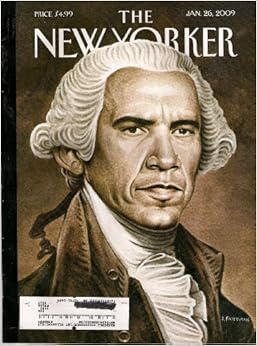
Barack Obama: George Washington
आर्थिक क्रांतिका पाँच पाण्डव: सुशासन, शिक्षा, स्वास्थ्य, संरचना, (उद्योगव्यापार) सुलभता
Barack Obama Is Biologically Superior

Saturday, August 01, 2015

विशेष क्षेत्र, आरक्षित क्षेत्र, स्वशासित क्षेत्र, सुरक्षित क्षेत्र

संघीय नेपालमा एउटा थरुहट प्रदेश बन्यो भनौं। त्यस प्रदेश को प्रदेश सभा ले अनि चेपांग का लागि विज्ञ हरु को एउटा आयोग बनाएर, अध्ययन सर्वेक्षण गरेर विशेष क्षेत्र, अथवा आरक्षित क्षेत्र अथवा ठुलो क्षेत्रफल र तुलनात्मक सानो जनसंख्या भएको स्वशासित क्षेत्र बनायो भने त्यो क्षेत्र नेपाल देश बाहिर जाने, नेपालको कानुन नलाग्ने भन्ने हुँदैन, सारा नेपाल मा लोकतंत्र भएको तर त्यस क्षेत्र भित्र लोकतंत्र नहुने भन्ने हुँदैन, त्यहाँ एउटा चेपांग परिवार ले ल अब हामी यहाँ का राजा भनेर घोषणा गर्ने कुरा आउँदैन, अरु ठाउँमा जस्तै त्यहाँ पनि स्थानीय चुनाव हुन्छ, त्यस क्षेत्र को प्रतिनिधित्व पनि प्रदेश सभा र केंद्र को संसदमा हुन्छ, त्यस क्षेत्र भित्र चेपांग बाहेक कोही छिर्न नपाउने भन्ने हुँदैन, आधुनिक राज्य (स्टेट) को सिद्दांत के हो भन्दा खेरी त्यस देश भित्र को मान्छे त्यस देश भित्र जहाँ सुकै जान पाऊँछ, बस्न पाऊँछ, घरजम गर्न पाऊँछ, गएर जागीर खान पाऊँछ। उही हो नेपालमा केही जाती यस्ता छन कि उनीहरुको जीवन शैली का लागि ठुलो जंगली भूभाग चाहिने हुन्छ। भने पछि दिने। संस्कृति संरक्षण गर्ने। त्यो भनेको अमेज़न जंगल को जैविक विविधता को संरक्षण गरे जस्तो हो। कैंसर को औषधि कहीं छ भने शायद त्यो अमेज़न जंगल मा छ। अमेज़न जंगल मानिस ले नष्ट गर्नु भनेको आफ्नो भविष्य नष्ट गर्नु नै हो, quite literally. ------ त्यस्तै Climate Change र Global Warming ले पूरै विश्व आत्तिएको अवस्थामा जंगल मा जंगल को क्षति नगरी बस्न सकने हरु असभ्य र primitive कि हामी असभ्य र primitive? सोँच्नु पर्ने कुरा हो। कहिले काहीं क्लास को सबैभन्दा जानने बिद्यार्थी चुपचाप बसेको हुन्छ। अनि त्यो चुपचाप बसेको बिद्यार्थीलाई नजान्ने भन्दिने? होहल्ला गर्ने लाई तेज बिद्यार्थी भन्दिने? स्पेशल केस मा यस्तो पनि गर्न सकिन्छ कि यो समुदाय लाई यति हेक्टर जंगल यिन लाई मात्र  भनेर छोडदिम्। अरु जान नपाउने। बिज्ञ हरु ले के सुझाव दिन्छन् त्यसको आधारमा। अनि त्यहाँ पर्यटक जान चाहे डोल्पा मुस्तांग छिर्न टन्न पैसा तिरे जस्तो ठुलो रकम तिर्नुपर्ने गर्दिने, त्यो पैसा अधिकांश स्थानीय तहमा रहने, केही प्रदेश र केन्द्रमा जाने गर्न सकिन्छ। आफ्नो संस्कृति को जगेर्ना गरेकै आधारमा आफ्नो जीविका चलाउन सक्ने हुन सक्छन थुप्रै लोप हुन लागेका समुदाय। अनि तिन लाई पहिचान को कुरा नगर भन्ने?

अहिलेको ७५ जिल्ला सबै लाई एउटै साइज को जामा जस्तो छ, आकार पनि सबको उस्तै उस्तै। बड़ो अबैज्ञानिक।


नेपाली राजनीतिमा ब्राह्मणवाद हावी : अमरेशकुमार
कार्यक्रममा कांग्रेस नेता अमरेशकुमार सिंहले नेपाली राजनीतिमा ब्राह्मणवाद हावी भएको भन्दै उनले सम्पूर्ण मधेसी समुदायहरुलाई आफ्ना हक–हीतका लागि एकजुट हुन आग्रह गरे ।
शीर्ष नेताले मागे थप समय, जनताको सुझाव समेट्ने प्रक्रियामै विमति (भिडियोसहित)


सुनसरी काँगेसका विरुद्ध मधेशी मोर्चाको विज्ञप्ति (भिडियो पनि छ है)