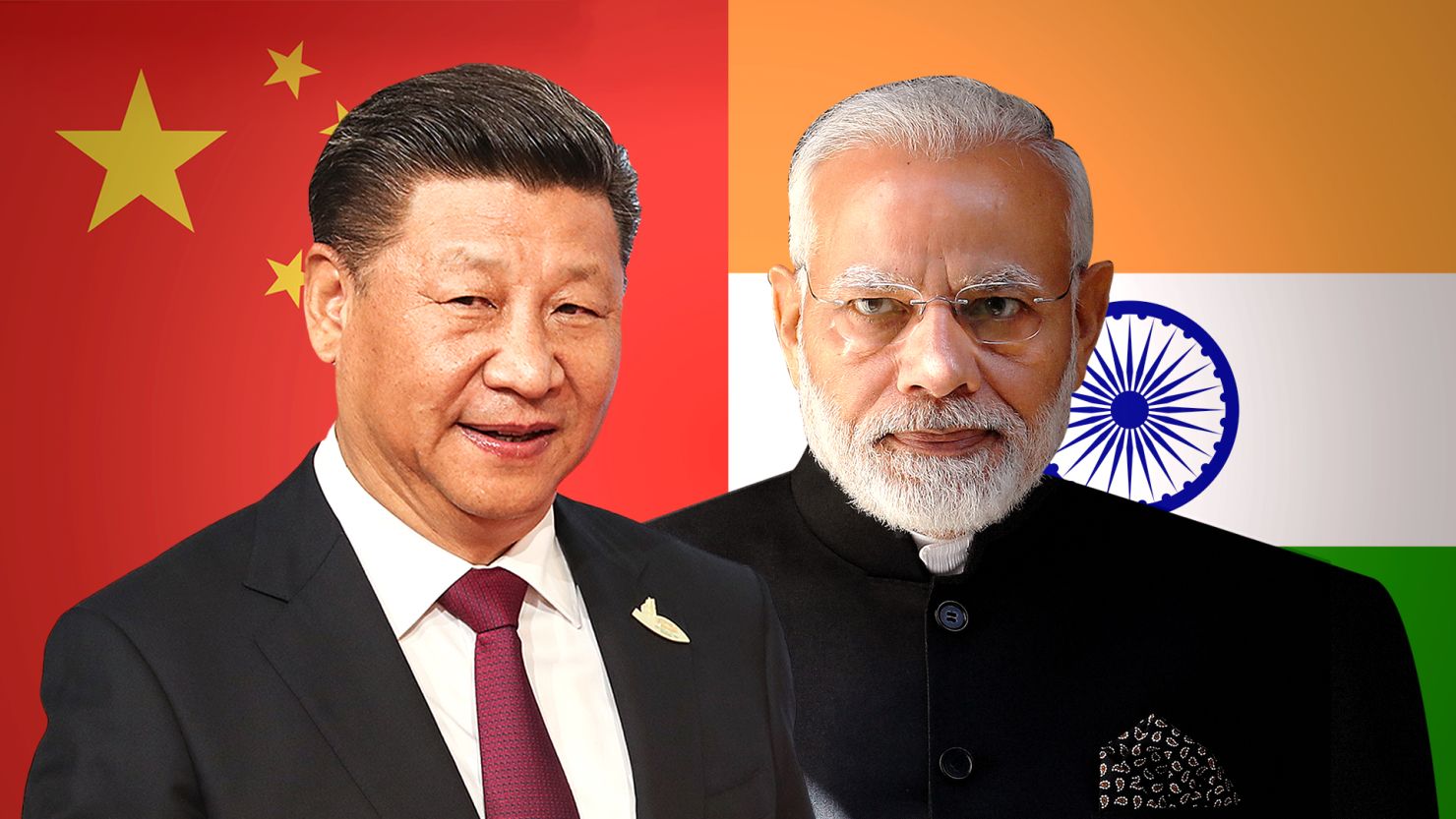
As of May 24, 2025, China-India relations are experiencing a cautious thaw following a period of heightened tensions, particularly since the 2020 Galwan Valley clash. A border patrol agreement announced in October 2024 has led to disengagement in key friction points like Depsang and Demchok, with troops withdrawn and weekly coordinated patrols established. This progress was solidified by high-level meetings, including a Xi-Modi summit at the BRICS Summit in Kazan, Russia, in October 2024, and subsequent dialogues between foreign and defense ministers, culminating in a six-point consensus emphasizing border stability and cooperation.
Rethinking Trade: A Blueprint for a Just and Thriving Global Economy
The $500 Billion Pivot: How the India-US Alliance Can Reshape Global Trade
Trump’s Trade War
Peace For Taiwan Is Possible
Formula For Peace In Ukraine
The Last Age of War, The First Age of Peace: Lord Kalki, Prophecies, and the Path to Global Redemption
AOC 2028: : The Future of American Progressivism
Rethinking Trade: A Blueprint for a Just and Thriving Global Economy
The $500 Billion Pivot: How the India-US Alliance Can Reshape Global Trade
Trump’s Trade War
Peace For Taiwan Is Possible
Formula For Peace In Ukraine
The Last Age of War, The First Age of Peace: Lord Kalki, Prophecies, and the Path to Global Redemption
AOC 2028: : The Future of American Progressivism
Rethinking Trade: A Blueprint for a Just and Thriving Global Economy
The $500 Billion Pivot: How the India-US Alliance Can Reshape Global Trade
Trump’s Trade War
Peace For Taiwan Is Possible
Formula For Peace In Ukraine
The Last Age of War, The First Age of Peace: Lord Kalki, Prophecies, and the Path to Global Redemption
AOC 2028: : The Future of American Progressivism
Rethinking Trade: A Blueprint for a Just and Thriving Global Economy
The $500 Billion Pivot: How the India-US Alliance Can Reshape Global Trade
Trump’s Trade War
Peace For Taiwan Is Possible
Formula For Peace In Ukraine
The Last Age of War, The First Age of Peace: Lord Kalki, Prophecies, and the Path to Global Redemption
AOC 2028: : The Future of American Progressivism
"Tariffs are not hurting, they're helping because they're creating jobs in America." - Trump
— Spencer Hakimian (@SpencerHakimian) May 24, 2025
🫵🤡
pic.twitter.com/nBd6WKilto


No comments:
Post a Comment