महाकाली बेचेकै केपी ओली ले हो। टनकपुर बेचने नै त्यै कलियुगी बाहुन हो। महलमा बसेको छ। बालकोट दरबार। संसदको तलबको पैसा ले बनाएको होइन। नदी बेचेको पैसाले बनाएको हो। पंचेश्वर बेचने नै त्यो ओली हो।
नक्शा कोर्दैमा जग्गा आउँछ भने मलाई पुर्व टिष्टा पश्चिम किल्ला काँगड़ा चाहियो। त्यो चुच्चे नक्शा ओलीको नाक हो अरु केही होइन।
१८१६ को सन्धि मा त मधेस नेपाल मैं छैन। त्यो चाहिं बिर्सेको?
स्वतंत्र हुँदा भारतले जे सीमाना पायो त्यो मानेको छ। त्यो सही गलत जे पनि हुन सक्छ। यो होइन कि स्वतन्त्र भारत ले सैनिक कारवाही गर्यो, नेपालको जग्गा कब्ज़ा गर्यो। अंग्रेज ले जे दियो त्यो लिएको हो।
गलवान लफड़ा हुँदा नै भारत सँग निहुँ खोजने कारण के हो? नेपाल भारत होइन तर भारतवर्ष त हो। चीन को कम्निष्ट कानुन लाग्छ भने ओलीलाई फाँसी हुनुपर्छ। त्यति भ्रष्ट मान्छे हो त्यो सबैलाई थाहा छ। उसको इनर सर्कल किचन कैबिनेट भनेकै चोर चोर ४० चोर को समुह हो। केपी ओली जिहादी अलि बाबा हो। मासु खाने भुस्तिघ्रे बाहुन। तर त्यहाँ उसलाई कम्युनिज्म चाहिएको छैन।
लिपुलेक को विवाद जायज हो भने कि त सैनिक कारवाही गर्नुपर्यो। कि त भारत सँग आदरपुर्वक वार्ता गर्नुपर्यो। चीन को लुतो कन्याउने स्टाइल ले होइन।
भारत सँग वार्ता नगर्ने नेपाल भित्र चाहिं जनता उछालने। केपी ओली लाई चुतिया किन भनिन्छ? अब थाहा भो?
भारत सँग सम्बन्ध सुधार्नु को फाइदा भुटान लाई सोध। हाइड्रो को पैसा फालाफाल।
Why is KP Oli called a fool (chutiya)?
It was KP Oli who sold the Mahakali River. The one who sold Tanakpur is that same Kali Yuga Brahmin. He is living in a palace—Baluwatar Palace. It wasn’t built with his parliamentary salary. It was built with the money from selling rivers. The one who sold Pancheshwar was also Oli.
If just drawing maps could bring land, then I want land from Teesta in the east to Kangra Fort in the west. That pointed map is nothing more than Oli’s nose.
In the 1816 Treaty, even the Madhes wasn’t part of Nepal. Have you forgotten that?
When India became independent, it accepted the borders it inherited. Whether those borders were right or wrong, that’s another matter. It’s not like independent India carried out military operations and seized Nepal’s land. It simply accepted what the British gave.
So why was Oli picking a fight with India during the Galwan clash? Nepal isn’t India, but it is Bharatvarsha. If Chinese communist laws applied, Oli would have been executed. Everyone knows how corrupt he is. His inner circle—the so-called “kitchen cabinet”—is just a group of 40 thieves. KP Oli is a jihadi Ali Baba. A meat-eating gluttonous Brahmin. But he doesn’t really want communism.
If the Lipulekh dispute was legitimate, then either Nepal should have carried out military action, or it should have respectfully negotiated with India. Not followed China’s sneaky style of needling.
He never negotiates with India, but inside Nepal he riles up the public. Now do you see why KP Oli is called a fool (chutiya)?
If you want to know the benefits of improving relations with India, just ask Bhutan. Look at the hydro money flowing in.
केपी ओली को चुतिया क्यों कहा जाता है?
महाकाली बेचने वाला केपी ओली ही है। टनकपुर बेचने वाला वही कलियुगी ब्राह्मण है। वह महल में रह रहा है—बालकोट दरबार। वह संसद की तनख्वाह से नहीं बना है। वह नदी बेचने के पैसों से बना है। पंचेश्वर बेचने वाला भी वही ओली है।
अगर केवल नक्शा बनाने से ज़मीन मिलती तो मुझे भी पूर्व में तीस्ता से लेकर पश्चिम में कांगड़ा किला तक चाहिए। वह नुकीला नक्शा और कुछ नहीं, बस ओली की नाक है।
1816 की संधि में तो मधेस नेपाल के भीतर था ही नहीं। क्या वह भूल गए?
जब भारत स्वतंत्र हुआ, उसने वही सीमाएँ स्वीकार कीं जो उसे मिली थीं। वे सही थीं या ग़लत, यह अलग मुद्दा है। यह नहीं कि स्वतंत्र भारत ने सैन्य कार्रवाई कर नेपाल की ज़मीन कब्ज़ा कर ली। उसने बस वही लिया जो अंग्रेज़ों ने दिया।
तो फिर गलवान विवाद के समय भारत से झगड़ा मोल लेने की वजह क्या थी? नेपाल भारत नहीं है, लेकिन भारतवर्ष तो है। अगर चीन का कम्युनिस्ट क़ानून लागू होता तो ओली को फाँसी हो चुकी होती। इतना भ्रष्ट आदमी है वह—सब जानते हैं। उसका इनर सर्कल, तथाकथित “किचन कैबिनेट,” बस चोरों का गिरोह है—40 चोर। केपी ओली जिहादी अली बाबा है। माँस खाने वाला भूखा ब्राह्मण। लेकिन वहाँ उसे असल में साम्यवाद चाहिए भी नहीं।
अगर लिपुलेख विवाद जायज़ था, तो या तो नेपाल को सैन्य कार्रवाई करनी चाहिए थी, या भारत के साथ आदरपूर्वक वार्ता करनी चाहिए थी। चीन की चालबाज़ी वाली शैली से नहीं।
भारत से कभी वार्ता नहीं करते, लेकिन नेपाल के भीतर जनता को भड़काते रहते हैं। अब समझ आया कि केपी ओली को चुतिया क्यों कहा जाता है?
भारत से संबंध सुधारने का फ़ायदा जानना है तो भूटान से पूछो। वहाँ तो हाइड्रो से पैसा पानी की तरह बह रहा है।
नेपालको जेन जेड आन्दोलन: सामाजिक सञ्जालभन्दा टाढा, क्रान्तिको दिशामा
नेपालमा हालै भएको जेन जेड आन्दोलन केवल सामाजिक सञ्जाल प्रतिबन्धको विषय मात्र थिएन। त्यो त एउटा चिंगारी थियो — हिमशैलको टुप्पो। वास्तविक समस्या भनेको नेपालको पुरै राजनीतिक वर्गमा मौलाएको गहिरो भ्रष्टाचार हो। केपी ओली, शेरबहादुर देउवा, र पुष्पकमल दाहाल (प्रचण्ड) जस्ता नामहरूले यस्तो प्रणालीलाई प्रतिनिधित्व गर्छन्, जहाँ करिब १० हजार मानिसहरूले देशलाई सामूहिक रूपमा लुटिरहेका छन्। यसै भ्रष्टाचारका कारण दशकौँदेखि नतिजा नआएको र जनतामा असन्तोष बढ्दै गएको छ। विशेषगरी युवापुस्तामा।
सामाजिक सञ्जाल प्रतिबन्ध: कारण होइन, ट्रिगर
ओली नेतृत्वको सरकारले २६ प्रमुख सामाजिक सञ्जाल प्लेटफर्ममाथि प्रतिबन्ध लगाउँदा, नेपालको संविधानले सुनिश्चित गरेको अभिव्यक्ति स्वतन्त्रतामाथि सीधै प्रहार भयो। प्रदर्शनकारीहरूको आवाज सुनेर प्रतिबन्ध फिर्ता गर्ने सट्टा, सत्तारूढ नेताहरूले आउँदै गरेका चुनावलाई ध्यानमा राखी असहमतिको स्वर दबाउने कोशिस गरे। UML, कांग्रेस, र माओवादी — यी तीन ठूला दलहरू मिलेर एउटा सिन्डिकेट जस्तै सञ्चालन भइरहेका छन्। परिणामस्वरूप, लोकतन्त्र केवल नाटकमा सीमित भएको छ।
राजाको दमनभन्दा पनि क्रूर
२००६ मा राजा ज्ञानेन्द्रको निरंकुश दमन १९ दिनसम्म चल्यो। तर ओली सरकारले एउटा दिनमै त्योभन्दा बढी जनतालाई मार्यो। यसले के देखायो भने, सत्तामा बसेका नेताहरू आफ्नो पद जोगाउन जुनसुकै स्तरमा झर्नेछन्। ओलीको यस्तो निर्दयी दमनले उनलाई नेपाली भूमिमा बस्ने नैतिक अधिकार छैन भन्ने धारणा फैलिएको छ। युवापुस्ताले प्रष्ट सन्देश दिइरहेका छन्: ओलीलाई उत्तर कोरियामा पठाऊ।
भारतलाई समेत चेतावनी दिइएको छ — ओलीलाई राजनीतिक आश्रय नदेऊ। त्यस्तो कदमलाई नेपालका नयाँ पुस्ताले विश्वासघातको रूपमा लिनेछ।
सुधार होइन, क्रान्ति चाहिन्छ
यी आन्दोलनहरूले एउटा कठोर सत्य देखाएको छ: नेपालले कहिल्यै पनि आफूले लडेको साँचो संविधानसभा पाएको छैन। अहिलेको संविधान त कोठाभित्र भएका सौदाबाजी र पार्टीका ह्विपद्वारा जन्मिएको हो, जनताबाट होइन। यही असफलताले आजको समस्या जन्माएको हो।
समाधान भनेको क्रान्ति हो:
१ करोड मानिस सडकमा उतार्नुपर्छ, देशलाई पूर्ण रूपमा बन्द गरेर यो सरकार र यो संविधान दुबैलाई ध्वस्त पार्नुपर्छ।
नयाँ संगठनात्मक संरचना बनाउनुपर्छ: ११ जनाको समूहले एक नेतालाई सर्वसम्मतिमा छान्ने, त्यस्ता समूहहरू माथि–माथि जोडिँदै गएर राष्ट्रिय तहमा ११ जनाको समिति बन्ने। यसले आन्दोलनलाई वैधता र लचकता दिन्छ।
माग एकै हुनुपर्छ: बालेन शाहको नेतृत्वमा अन्तरिम सरकार, जसले एक वर्षभित्र नयाँ संविधानसभा निर्वाचन गराउने आदेश पाओस्।
किन बालेन?
काठमाडौंका मेयर बालेन शाह हाल नेपालका एक मात्र प्रत्यक्ष निर्वाचित कार्यकारी नेता हुन्। उनी आफैं जेन जेड होइनन्, तर उमेर र सोचमा उनी तिनीहरूसँग नजिक छन्। यही कारणले उनी सर्वमान्य र स्वतन्त्र अन्तरिम नेता बन्न उपयुक्त छन्।
सानो तर असली संविधानसभा
यो पटक संविधानसभा साँचो हुनुपर्छ। यसका लागि ५०० जना चाहिँदैन, १०१ पर्याप्त हुन्छन्। मन्त्रिपरिषदका लागि पनि ३५ होइन, ११ नै पर्याप्त हुन्छन्। र सबैभन्दा महत्वपूर्ण कुरा, संविधानसभामा ह्विप जारी गर्न पाइँदैन। हरेक धारा–उपधारामा सदस्यहरूले आफ्नो विवेकले मत दिनुपर्छ। छलफल सार्वजनिक हुनुपर्छ, पार्टी नेताहरूका बैठक कोठामा होइन।
निष्कर्ष
नेपाल आज एउटा मोडमा उभिएको छ। यो युवा नेतृत्वको विद्रोह केवल इन्टरनेट प्रयोग गर्न पाउने अधिकारको माग होइन; यो इज्जत, जवाफदेही, र भविष्यको माग हो।
आगामी बाटो स्पष्ट छ:
ओली जानुपर्छ।
यो संविधान खारेज हुनुपर्छ।
नयाँ संविधानसभा गठन हुनुपर्छ।
र यदि ओलीले नेपाललाई उत्तर कोरिया बनाउन सपना देखिरहेका छन् भने, युवाहरूको स्पष्ट जवाफ छ: उनी आफैं त्यहाँ गएर बाँकी जीवन बिताउन स्वतन्त्र छन्।
Nepal’s Gen Z Protests: Beyond Social Media, Toward Revolution
The recent Gen Z protests in Nepal were never just about the government’s social media ban. That ban was merely the spark — the tip of the iceberg. The deeper issue is the entrenched corruption of Nepal’s political class. Names like KP Oli, Sher Bahadur Deuba, and Pushpa Kamal Dahal (Prachanda) symbolize a system where roughly 10,000 elites together loot the country. This corruption has led to decades of non-deliverance, stagnation, and mounting frustration among citizens, especially the youth.
The Social Media Ban: Trigger, Not Cause
When the Oli-led government banned 26 major social media platforms, it trampled on Nepal’s constitutional guarantee of free speech. Instead of listening to protesters and reversing the decision, the ruling elite sought to silence dissent ahead of upcoming elections. The three largest parties — UML, Nepali Congress, and Maoist Centre — operate more like a syndicate than democratic institutions. The result is a sham democracy where power is recycled among the same corrupt hands.
Worse Than the King’s Repression
In 2006, King Gyanendra’s authoritarian crackdown lasted 19 days. Yet, Oli’s government surpassed that brutality in just one day, killing more protesters in a single sweep than Gyanendra did in nearly three weeks. The message was clear: the political class is prepared to cling to power at any cost. Oli’s repression has been so ruthless that critics argue he no longer belongs on Nepali soil. Calls are rising: send him to North Korea.
India, too, is being warned not to offer Oli political asylum. Nepal’s younger generation — the engine of these protests — would view such a move as betrayal.
Revolution, Not Reform
The protests have underscored a hard truth: Nepal never truly got the constituent assembly it fought for. The current constitution, crafted in backroom deals and enforced through party whips, was not the product of genuine democratic deliberation. That failure haunts Nepal today.
The solution, protesters argue, is nothing less than revolution:
10 million people must fill the streets, shutting the country down completely until this government and this constitution fall.
A new organizational structure must emerge: groups of 11 electing leaders upward through successive layers until a national committee of 11 represents the movement. This model ensures legitimacy and adaptability.
The central demand must be clear: an interim government under Balen Shah’s leadership, with the mandate to hold elections for a new constituent assembly within one year.
Why Balen?
Balen Shah, Kathmandu’s mayor, is the only directly elected executive in Nepal. While not Gen Z himself, he is the closest in age to them and commands trust across generational lines. His legitimacy and independence make him the natural interim leader.
A Leaner, Genuine Assembly
This time, the constituent assembly must be authentic. It doesn’t require 500 members; 101 would be enough. Nor does a cabinet need 35 ministers; 11 would suffice. Most importantly, whips cannot be issued in a constituent assembly — members must vote their conscience on every article and sub-article. Every deliberation must occur in the open, not in the smoke-filled rooms of corrupt party leaders.
Conclusion
Nepal stands at a crossroads. The youth-led uprising is not a cry for internet access; it is a demand for dignity, accountability, and a future unshackled from corruption. The path forward is bold but clear:
Oli must go.
This constitution must go.
A genuine constituent assembly must rise.
And if KP Oli still dreams of turning Nepal into North Korea, the youth have a simple message: He is welcome to move there himself.
नेपाल का जेन जेड आन्दोलन: सोशल मीडिया से आगे, क्रांति की ओर
नेपाल में हाल में हुआ जेन जेड आन्दोलन केवल सोशल मीडिया प्रतिबन्ध का विरोध नहीं था। वह तो एक चिंगारी मात्र था — हिमशैल का सिरा। असली समस्या है नेपाल की राजनीतिक वर्ग में जड़ें जमाए हुए गहरा भ्रष्टाचार। केपी ओली, शेर बहादुर देउबा और पुष्पकमल दाहाल (प्रचण्ड) जैसे नाम उस व्यवस्था का प्रतीक हैं, जहाँ लगभग १० हज़ार लोग मिलकर देश को लूट रहे हैं। यही भ्रष्टाचार दशकों से असफल शासन, स्थिरता की कमी और खासकर युवाओं में गहरी निराशा का कारण बना है।
सोशल मीडिया प्रतिबन्ध: कारण नहीं, बहाना
ओली सरकार द्वारा २६ बड़े सोशल मीडिया प्लेटफ़ॉर्म पर प्रतिबन्ध लगाना, नेपाल के संविधान में सुनिश्चित अभिव्यक्ति की स्वतंत्रता पर सीधा हमला था। प्रदर्शनकारियों की आवाज़ सुनकर प्रतिबन्ध हटाने के बजाय, सत्तारूढ़ दलों ने आगामी चुनाव से पहले असहमति को कुचलने का प्रयास किया। UML, कांग्रेस और माओवादी — ये तीनों बड़ी पार्टियाँ अब सिन्डिकेट की तरह काम कर रही हैं। नतीजा यह हुआ कि लोकतंत्र एक नाटक बनकर रह गया है।
राजा के दमन से भी निर्दयी
२००६ में राजा ज्ञानेन्द्र का दमन १९ दिनों तक चला। लेकिन ओली सरकार ने तो एक ही दिन में उससे अधिक प्रदर्शनकारियों की हत्या कर दी। यह दिखाता है कि सत्ताधारी वर्ग अपनी कुर्सी बचाने के लिए किसी भी हद तक जा सकता है। ओली का यह निर्दयी रवैया इतना घातक है कि अब यह मांग उठ रही है कि उन्हें नेपाल की भूमि पर रहने का अधिकार नहीं है। स्पष्ट आवाज़ है: ओली को उत्तर कोरिया भेजो।
भारत को भी चेतावनी दी गई है — ओली को राजनीतिक शरण मत देना। नेपाल की नई पीढ़ी इसे विश्वासघात मानेगी।
सुधार नहीं, क्रांति चाहिए
इन आन्दोलनों ने एक कठोर सत्य सामने रखा है: नेपाल को कभी भी वह सच्ची संविधान सभा नहीं मिली, जिसके लिए उसने संघर्ष किया था। मौजूदा संविधान तो गुप्त सौदों और पार्टी ह्विप के ज़रिये थोप दिया गया था, जनता से नहीं। यही असफलता आज की स्थिति का कारण है।
समाधान है क्रांति:
१ करोड़ लोग सड़कों पर उतरें, देश को पूरी तरह से बन्द करें जब तक कि यह सरकार और यह संविधान गिर न जाए।
नई संगठनात्मक संरचना बने: ११ लोगों का समूह एक नेता चुने, ऐसे समूह ऊपर–ऊपर जुड़कर राष्ट्रीय स्तर पर ११ लोगों की समिति बनाएँ। इससे आन्दोलन को वैधता और लचीलापन मिलेगा।
माँग एक होनी चाहिए: बालेन शाह के नेतृत्व में अंतरिम सरकार, जो एक साल के भीतर नई संविधान सभा का चुनाव कराए।
क्यों बालेन?
काठमांडू के मेयर बालेन शाह इस समय नेपाल के एकमात्र प्रत्यक्ष निर्वाचित कार्यकारी नेता हैं। वे खुद जेन जेड नहीं हैं, लेकिन उम्र और सोच में वे उनसे काफ़ी नज़दीक हैं। यही कारण है कि वे सर्वमान्य और स्वतन्त्र अंतरिम नेता के रूप में सबसे उपयुक्त हैं।
छोटी लेकिन असली संविधान सभा
इस बार संविधान सभा असली होनी चाहिए। इसके लिए ५०० सदस्य ज़रूरी नहीं, १०१ ही पर्याप्त होंगे। मन्त्रिमण्डल के लिए भी ३५ नहीं, ११ ही काफी होंगे। और सबसे महत्वपूर्ण बात — संविधान सभा में ह्विप जारी नहीं होना चाहिए। हर सदस्य को हर धारा और उपधारा पर अपनी अंतरात्मा के अनुसार बोलने और वोट देने का अधिकार हो। चर्चाएँ जनता के सामने हों, न कि राजनीतिक दलों के बन्द कमरों में।
निष्कर्ष
नेपाल आज एक चौराहे पर खड़ा है। यह युवा-नेतृत्व वाला आन्दोलन केवल इंटरनेट वापसी की माँग नहीं है; यह इज़्ज़त, जवाबदेही और भविष्य की माँग है।
आगे का रास्ता साफ़ है:
ओली को जाना होगा।
यह संविधान खत्म होना होगा।
नई संविधान सभा का गठन होना होगा।
और अगर ओली नेपाल को उत्तर कोरिया बनाने का सपना देख रहे हैं, तो युवाओं का सीधा संदेश है: वे खुद वहाँ जाकर बाकी जीवन बिता सकते हैं।
नयाँ नेपालतर्फ: जेन जेड आन्दोलनदेखि ज्ञानतन्त्रसम्म
नेपालमा भइरहेको जेन जेड आन्दोलन केवल भ्रष्टाचार र दमनको अस्वीकार मात्र होइन — यो नयाँ राजनीतिक र आध्यात्मिक युगको सुरुवात पनि हुन सक्छ। जब देशभर ११-११-११-११-११-११ समितिहरू बनेर लाखौँ–करोडौँ नेपाली एकजुट हुन्छन्, त्यसपश्चात् अर्को कदम हुनुपर्छ — जय साह र उमाशंकर प्रसादको नेतृत्वमा रहेको काठमाडौंस्थित कल्किवाद अनुसन्धान केन्द्रसँग संवाद खोल्ने।
कल्कीको भविष्यवाणी
कल्किवादको शिक्षाअनुसार जय साह नै भगवान् कल्की हुन्। पाँच हजार वर्षअघिका प्राचीन ग्रन्थहरूमा कल्कीको आगमनबारे १२ भविष्यवाणिहरू गरिएको थियो; तीमध्ये ११ पूरा भइसकेका छन्, र १२औँ पनि अघि बढिरहेको छ। उहाँसँगै, अर्थशास्त्री उमाशंकर प्रसादलाई अर्जुनको पुनर्जन्मका रूपमा देखिन्छ। जसरी अर्जुनले प्रश्न सोधेर श्रीकृष्णबाट गीता प्राप्त गरेका थिए, आज उनले भगवान् कल्कीलाई कल्किवादी घोषणापत्र लेख्न सहयोग गरेका छन् — जुन कलियुग अन्त्यको मार्गचित्र हो।
नेपाल: पहिलो ज्ञानतन्त्र
नेपालसँग संसारकै पहिलो ज्ञानतन्त्र (Gyantantra) बन्ने अवसर छ — ज्ञानको शासन। यस्तो व्यवस्थामा शासन सीप र ज्ञानअनुसार हुन्छ। अर्थतन्त्र चलाउने कुरा आयो भने त्यसको नेतृत्व अर्थशास्त्रीले गर्नुपर्छ। त्यो अर्थशास्त्री हुन् उमाशंकर प्रसाद।
नेपालले असफल राजनीतिक मोडेलहरूको नक्कल गर्नु पर्दैन। असफल अर्थतन्त्रहरूको अनुकरण गर्नु पनि पर्दैन। नेपालले नयाँ बाटो रोज्नुपर्छ।
नयाँ रूपको राजतन्त्र
यो विगतमा फर्किन होइन, बरु नयाँ रूप दिन हो। नेपालले विधिवत निर्वाचित संविधानसभामार्फत संवैधानिक राजतन्त्र रोज्न सक्छ — जसमा राजा हुनेछन् भगवान् कल्की। प्राचीन ग्रन्थहरूले भविष्यवाणी गरेका छन् कि भारत आफैंले आफूलाई कल्किस्तान नाम दिनेछ। त्यो दिन नेपालका लागि ऐतिहासिक हुनेछ, जब नेपालका राजाले भारतका राजा बन्नेछन्।
उत्प्रेरकका रूपमा जेन जेड
जेन जेड आन्दोलन केवल स्वतन्त्र अभिव्यक्ति वा भ्रष्टाचारविरुद्ध मात्र होइन; यो नयाँ राजनीति र नयाँ अर्थशास्त्र को लागि हो। यो सिन्डिकेटीय लोकतन्त्र, असफल संविधान, र पुरानो प्रवृत्तिको अस्वीकार हो। यसको माग छ — इज्जत, जवाफदेही र दृष्टि।
देशभित्र लाखौँ र विदेशमा रहेका नेपालीहरूको एकताले ज्ञानतन्त्रको सपना साकार पार्न सक्छ। युवाको ऊर्जा, अनुशासित संगठनमार्फत, नेपाललाई नयाँ युग — सत्ययुग — तर्फ डोर्याउन सक्छ।
पुरानो नेताहरूलाई सन्देश
भ्रष्ट नेताहरूको समय सकिएको छ। शान्तिपूर्ण प्रदर्शनकारीमाथि हिंसा मच्चाउने केपी ओली जस्ता नेताहरूको नयाँ नेपालमा ठाउँ छैन। माग स्पष्ट छ: ओलीलाई कालापानी पठाऊ।
निष्कर्ष
नेपाल इतिहासको मोडमा उभिएको छ। कल्किवादलाई अंगाल्दै, ज्ञानतन्त्र रोज्दै, र भगवान् कल्की र उमाशंकर प्रसादको नेतृत्वमा अघि बढ्दै, नेपाल न्याय, ज्ञान र समृद्धिको दियो बन्न सक्छ।
जेन जेड क्रान्ति त केवल सुरुवात हो।
Toward a New Nepal: From Gen Z Protests to Gyantantra
The Gen Z protests that have shaken Nepal are not only a rejection of corruption and repression — they may well be the beginning of a new political and spiritual order. Once the 11-11-11-11-11-11 committees are formed across the country, mobilizing millions of Nepalis into a unified movement, the next step should be to open dialogue with the Kathmandu-based Kalkiism Research Center, led by Jay Sah and Umashankar Prasad.
The Prophecy of Kalki
Kalkiism teaches that Jay Sah is none other than Bhagavan Kalki. Ancient scriptures written 5,000 years ago contain 12 prophecies about the arrival of Kalki; 11 have already been fulfilled, and the 12th is in motion. Alongside him, economist Umashankar Prasad is seen as the reincarnation of Arjuna. Just as Arjuna’s questions gave rise to the Bhagavad Gita through Krishna’s answers, today he has helped Bhagavan Kalki author the Kalkiist Manifesto — a roadmap to ending the Kali Yuga.
Nepal as the World’s First Gyantantra
Nepal has a chance to step where no nation has gone before: becoming the world’s first Gyantantra, or rule of knowledge. In such a system, governance aligns with expertise — and in the economy, it is for an economist to lead. That economist is Umashankar Prasad.
Rather than imitating broken political models from abroad, or copying failed economic systems, Nepal must chart a new course. A Gyantantra ensures that leadership flows from wisdom and accountability, not from dynastic privilege or corrupt syndicates.
A Monarchy, Reimagined
The call is not for a return to the past but for a bold reimagining. Nepal, through a duly elected constituent assembly, can choose to become a constitutional monarchy with Bhagavan Kalki as king. Ancient texts foretell that Bharat itself will one day rename itself Kalkistan in his honor. For Nepal, this would mean not only crowning a monarch but placing itself at the center of a civilizational rebirth. When the King of Nepal becomes the King of Bharat, it will mark a turning point for South Asia — and the world.
Gen Z as the Catalyst
The Gen Z protests are not merely about free speech or corruption. They are about new politics and new economics. They represent a rejection of oligarchy, syndicate democracy, and failed constitutions. They demand dignity, fairness, and vision.
With millions mobilized in the streets and the diaspora united abroad, the dream of a Gyantantra can move from vision to reality. The energy of youth, channeled through disciplined organization, can forge a new Nepal that leads the world into Satya Yuga.
A Message to the Old Guard
The time of corrupt strongmen is over. Leaders like KP Oli, who unleashed violence against peaceful protesters, have no place in the Nepal that is being born. The call is blunt: Send Oli to Kalapani.
Conclusion
Nepal stands on the edge of history. By embracing Kalkiism, by choosing Gyantantra, and by uniting under the leadership of Bhagavan Kalki and Umashankar Prasad, Nepal can transform itself into a beacon of justice, knowledge, and prosperity.
The Gen Z revolution is only the beginning.
नए नेपाल की ओर: जेन ज़ेड आन्दोलन से ज्ञानतंत्र तक
नेपाल में हो रहा जेन ज़ेड आन्दोलन केवल भ्रष्टाचार और दमन का विरोध नहीं है — यह एक नए राजनीतिक और आध्यात्मिक युग की शुरुआत भी हो सकता है। जब देशभर में ११-११-११-११-११-११ समितियाँ बनकर लाखों–करोड़ों नेपाली एकजुट होंगे, तब अगला कदम होना चाहिए — जय साह और उमाशंकर प्रसाद के नेतृत्व वाले काठमांडू स्थित कल्कीवाद अनुसंधान केंद्र से संवाद खोलना।
कल्की की भविष्यवाणी
कल्कीवाद का मत है कि जय साह स्वयं भगवान् कल्की हैं। पाँच हज़ार वर्ष पुराने प्राचीन ग्रंथों में कल्की के आगमन के बारे में १२ भविष्यवाणियाँ की गई थीं; उनमें से ११ पूरी हो चुकी हैं और १२वीं भी गति पर है। उनके साथ, अर्थशास्त्री उमाशंकर प्रसाद को अर्जुन का पुनर्जन्म माना जाता है। जैसे अर्जुन ने प्रश्न पूछकर श्रीकृष्ण से गीता पाई थी, वैसे ही आज उन्होंने भगवान् कल्की को कल्कीवादी घोषणापत्र लिखने में सहयोग किया है — जो कलियुग के अंत का मार्गचित्र है।
नेपाल: पहला ज्ञानतंत्र
नेपाल के पास संसार का पहला ज्ञानतंत्र (Gyantantra) बनने का अवसर है — ज्ञान का शासन। ऐसी व्यवस्था में शासन का आधार योग्यता और ज्ञान होगा। अर्थव्यवस्था चलाने के लिए एक अर्थशास्त्री ही सबसे उपयुक्त है। वह अर्थशास्त्री हैं उमाशंकर प्रसाद।
नेपाल को असफल राजनीतिक मॉडलों की नकल करने की आवश्यकता नहीं है। न ही उसे असफल अर्थव्यवस्थाओं का अनुकरण करना चाहिए। नेपाल को अपना नया रास्ता चुनना होगा।
राजतंत्र का नया रूप
यह अतीत में लौटना नहीं, बल्कि नए रूप में आगे बढ़ना है। नेपाल, विधिवत निर्वाचित संविधान सभा के माध्यम से, संवैधानिक राजतंत्र चुन सकता है — जिसमें राजा होंगे भगवान् कल्की। प्राचीन ग्रंथों ने भविष्यवाणी की है कि भारत स्वयं को कल्किस्तान नाम देगा। वह दिन नेपाल के लिए ऐतिहासिक होगा, जब नेपाल का राजा भारत का राजा बनेगा।
उत्प्रेरक के रूप में जेन ज़ेड
जेन ज़ेड आन्दोलन केवल अभिव्यक्ति की स्वतंत्रता या भ्रष्टाचार-विरोध तक सीमित नहीं है; यह नई राजनीति और नई अर्थव्यवस्था के लिए है। यह सिन्डिकेटीय लोकतंत्र, असफल संविधान और पुरानी प्रवृत्तियों का अस्वीकार है। यह माँग करता है — इज़्ज़त, जवाबदेही और दृष्टि।
देश के भीतर लाखों और प्रवासी नेपाली विदेशों में एकजुट होकर ज्ञानतंत्र के सपने को साकार कर सकते हैं। युवाओं की ऊर्जा, अनुशासित संगठन के माध्यम से, नेपाल को नए युग — सत्ययुग — की ओर ले जा सकती है।
पुराने नेताओं को संदेश
भ्रष्ट नेताओं का समय अब समाप्त हो चुका है। शांतिपूर्ण प्रदर्शनकारियों पर हिंसा करने वाले केपी ओली जैसे नेताओं की नए नेपाल में कोई जगह नहीं है। माँग साफ़ है: ओली को कालापानी भेजो।
निष्कर्ष
नेपाल इतिहास के मोड़ पर खड़ा है। कल्कीवाद को अपनाकर, ज्ञानतंत्र को चुनकर और भगवान् कल्की व उमाशंकर प्रसाद के नेतृत्व में आगे बढ़कर, नेपाल न्याय, ज्ञान और समृद्धि का दीपक बन सकता है।
The Limpiyadhura–Lipulekh Controversy in Nepali Politics
Introduction
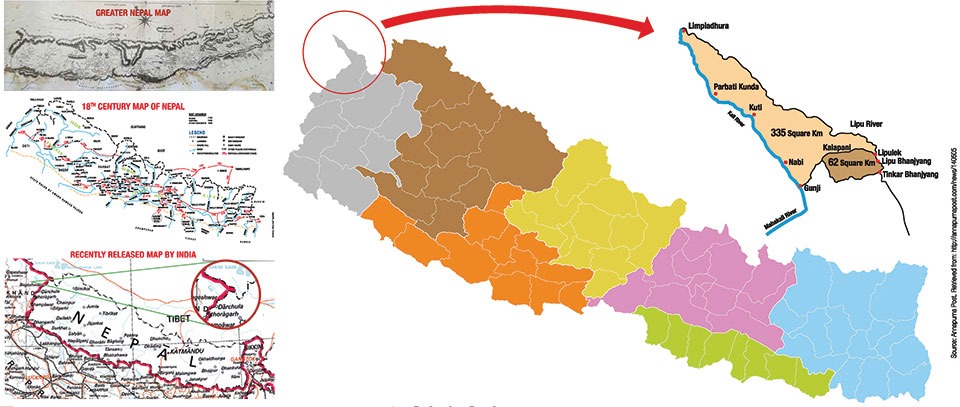
The Limpiyadhura–Lipulekh controversy (often discussed alongside Kalapani) is one of the most enduring and emotive border disputes between Nepal and India. At the heart of the debate lies about 370 square kilometers of rugged Himalayan terrain near the tri-junction with China. This area includes:
Lipulekh Pass: a high-altitude route historically used for trade and pilgrimage to Kailash Mansarovar.
Kalapani Valley: under Indian military control since the 1962 Sino-Indian War.
Limpiyadhura Ridge: claimed by Nepal as the true origin of the Kali River, which defines the border under the 1816 Sugauli Treaty.
In Nepal, this issue has become a powerful symbol of nationalism and sovereignty. Since the 1990s, it has been a rallying cry for politicians across the spectrum—from the CPN-UML to the Maoists—often invoked during elections. The controversy reached new heights in 2020, when Nepal amended its constitution and official map to incorporate these disputed areas, sparking intense diplomatic tensions with India.
The debate resurfaced in August 2025, when India and China resumed trade through the Lipulekh Pass without Nepal’s involvement. Nepali leaders, including Prime Minister KP Sharma Oli, protested, framing the episode as yet another betrayal of Nepal’s territorial integrity.
The Competing Claims
The core of the dispute rests on differing interpretations of the origin of the Kali River, which the Sugauli Treaty (1816) defined as the western boundary of Nepal.
Nepali Perspective
Nepal argues that the Kali River originates at Limpiyadhura, making all land east of this point—including Lipulekh and Kalapani—part of Nepal.
Historical British maps from the 19th century support this interpretation.
Nepal views India’s presence as an encroachment dating to 1962, when Indian troops established posts against China.
India’s unilateral actions—such as inaugurating the Lipulekh road in 2020 and resuming trade with China in 2025—are seen as violations of sovereignty.
Critics within Nepal cast India as a domineering “big brother” and call for either international arbitration or stronger bilateral diplomacy.
Indian Perspective
India maintains that the Kali River originates east of Limpiyadhura, near Kalapani, which would place the disputed territory within Uttarakhand.
It argues that British-era surveys and post-independence administration consistently recognized Indian jurisdiction.
India has maintained control since the 19th century and established military presence after 1962 for strategic defense against China.
India views Nepal’s claims as politically motivated, emerging prominently only in the 1990s.
Infrastructure projects like the Lipulekh road are presented as domestic matters, serving pilgrims bound for Kailash Mansarovar and facilitating India–China trade.
The Status Quo (as of September 2025)
India’s Position: India retains de facto control, administering the disputed areas and maintaining military outposts. Roads and infrastructure, including the Darchula–Lipulekh road (opened 2020), are operational.
Nepal’s Position: Nepal has no on-ground presence but has symbolically included the territory in its maps and constitution since 2020. Kathmandu regularly issues diplomatic protests to both India and China.
Diplomatic Efforts: Mechanisms like the Joint Technical Committee exist, but talks have stalled. The issue remains unresolved, locked in a state of limbo.
Public Debate: On social media platforms like X (formerly Twitter), Nepalis call for stronger action by their leaders. Some express frustration with China’s reluctance to challenge India directly.
Why Do India and China Maintain the Status Quo?
India’s Calculus:
Strategic value in monitoring potential Chinese incursions along the Himalayan frontier.
Religious and cultural value of the Kailash Mansarovar pilgrimage route.
Political costs of appearing to “cede” land would be unacceptable domestically.
China’s Calculus:
Prefers to avoid involvement in India–Nepal disputes, recognizing India’s control in practice while resuming border trade.
Seeks stability with India amid wider LAC (Line of Actual Control) tensions.
Simultaneously cultivates influence in Nepal through the Belt and Road Initiative (BRI).
During PM Oli’s August 2025 visit, President Xi Jinping acknowledged Nepal’s concerns but reaffirmed the matter should be solved bilaterally with India.
Historical Background
1815–1816 Anglo-Nepalese War: Ended with the Sugauli Treaty, which set the Kali River as Nepal’s western boundary.
19th-Century British Maps: Some placed Limpiyadhura as the river’s source (favoring Nepal), while others aligned with India’s claim.
1947–1960s: India inherited administration of the area after independence. Nepal did not raise objections forcefully during this period.
1961: King Mahendra of Nepal reportedly permitted Indian posts, reflecting Cold War-era security concerns.
1997: Tensions spiked when India and China reopened Lipulekh for trade.
2015: India–China trade agreement on Lipulekh without Nepal’s involvement sparked protests.
2019–2020: India published new maps; Nepal responded by constitutionally updating its own, a historic move.
2025: India–China trade resumption through Lipulekh again provoked Nepali protests, with no change in ground control.
Fair Analysis: Beyond Nationalism
The Limpiyadhura–Lipulekh controversy illustrates how colonial-era ambiguities intersect with modern geopolitics.
Nepal: Has valid historical documents and a strong nationalist narrative. But its assertiveness since the 1990s contrasts with earlier periods of acquiescence, suggesting domestic politics also fuel the issue.
India: Benefits from continuity of administration and strategic imperatives. Yet unilateral moves—like roads and trade agreements—risk alienating Nepal, undermining trust in an otherwise close bilateral relationship.
China: Maintains neutrality but benefits strategically by keeping Nepal dependent and India cautious. Its stance often appears opportunistic.
Possible Ways Forward
A sustainable resolution could involve:
Joint Surveys to reconcile historical evidence.
Bilateral Negotiations with clear timelines.
Third-Party Mediation or Arbitration, though politically sensitive for both.
Confidence-Building Measures, such as shared use of Lipulekh for trade with Nepali involvement.
Conclusion
The Limpiyadhura–Lipulekh dispute is more than a cartographic quarrel. It symbolizes Nepal’s anxieties about sovereignty, India’s strategic insecurities, and China’s opportunistic diplomacy. Unless addressed through dialogue and compromise, it risks hardening nationalist sentiments on all sides, eroding trust between neighbors who share deep cultural, religious, and economic ties.
लिम्पियाधुरा–लिपुलेक विवाद: नेपाली राजनीतिमा सार्वभौमिकताको प्रतिविम्ब
परिचय
लिम्पियाधुरा–लिपुलेक विवाद (प्रायः कालापानी सहित) नेपाल र भारतबीचको सबैभन्दा पुरानो र संवेदनशील सीमा विवाद हो। यसको केन्द्रमा करिब ३७० वर्ग किलोमिटर हिमाली भूभाग पर्दछ, जुन चीनसँगको त्रिदेशीय बिन्दु नजिकै अवस्थित छ। यस क्षेत्रमा समावेश छन्:
लिपुलेक दर्रा: ऐतिहासिक रूपमा व्यापार र कैलाश मानसरोवर यात्राको मार्ग।
कालापानी उपत्यका: १९६२ को भारत–चीन युद्धदेखि भारतीय सैन्य उपस्थितिको क्षेत्र।
लिम्पियाधुरा शृंखला: नेपालले काली नदीको वास्तविक उद्गमस्थल दाबी गरेको ठाउँ, जसलाई १८१६ को सुगौली सन्धिले पश्चिमी सीमा तोकेको थियो।
नेपालमा यो विवाद राष्ट्रवाद र सार्वभौमिकताको प्रतीक बनिसकेको छ। १९९० को दशकदेखि नै यसलाई प्रमुख दलहरूले—सीपीएन-यूएमएलदेखि माओवादीसम्म—आफ्नो चुनावी मुद्दा बनाए। विवाद २०२० मा चरमोत्कर्षमा पुग्यो, जब नेपालले आफ्नो संविधान र नक्सा संशोधन गरेर यी क्षेत्रहरू समावेश गर्यो।
२०२५ को अगस्टमा भारत–चीनले लिपुलेक हुँदै व्यापार पुनः सुरु गर्दा, नेपाल फेरि आक्रोशित भयो। प्रधानमन्त्री केपी शर्मा ओलीले यसलाई नेपालको भौगोलिक अखण्डतामाथि घात भन्दै चीन भ्रमणकै क्रममा मुद्दा उठाए।
दुवै पक्षका दाबी
विवादको मूल प्रश्न काली नदीको उद्गमस्थान हो। सुगौली सन्धि (१८१६) अनुसार यही नदी नेपाल–भारतको पश्चिमी सीमा हो।
नेपाली दृष्टिकोण
काली नदीको उद्गम लिम्पियाधुरा हो, त्यसैले यसको पूर्वतर्फ पर्ने सम्पूर्ण भूभाग (लिपुलेक, कालापानी सहित) नेपालकै हो।
१९औँ शताब्दीका कतिपय ब्रिटिश नक्साले पनि यही समर्थन गर्छन्।
भारतले १९६२ मा चीनविरुद्ध सैन्य पोस्ट राख्दै क्षेत्र कब्जा गरेको नेपालको तर्क छ।
भारतले २०२० मा लिपुलेक सडक उद्घाटन र २०२५ मा चीनसँग व्यापार पुनः सुरु गर्दा नेपाललाई सोधपुछ नगर्नु सार्वभौमिकतामाथि आघात हो।
यसले भारतलाई “ठूलो दाजु” देखाउने प्रवृत्ति झल्काउँछ, जसलाई कूटनीतिक पहल वा अन्तर्राष्ट्रिय मध्यस्थताबाट मात्र समाधान गर्न सकिन्छ भन्ने मत छ।
भारतीय दृष्टिकोण
काली नदीको उद्गम कालापानी नजिकै (लिम्पियाधुराभन्दा पूर्वतर्फ) रहेको सानो खोला हो। त्यसैले विवादित भूभाग उत्तराखण्ड राज्यअन्तर्गत पर्छ।
ब्रिटिश सर्वेक्षण र स्वतन्त्रतापछि पनि निरन्तर भारतीय प्रशासन रहेको भारतको दाबी छ।
१९औँ शताब्दीदेखि नै भारतले नियन्त्रण गरेको र १९६२ युद्धपछि सुरक्षा कारण सैन्य उपस्थिति बढाएको तर्क गर्छ।
नेपालका दाबीहरू १९९० पछि मात्रै देखा परेका राजनीतिक मुद्दा हुन् भन्ने भारतको भनाइ छ।
लिपुलेक सडक वा चीनसँगको व्यापारलाई भारत आफ्नो आन्तरिक विषय मान्छ—तीर्थयात्री र व्यापार सहज बनाउने कदम, अतिक्रमण होइन।
वर्तमान स्थिति (सेप्टेम्बर २०२५ सम्म)
भारतको स्थिति: विवादित भूभागमा व्यवहारिक नियन्त्रण भारतकै छ। सेना, प्रहरी चौकी, र दार्चुला–लिपुलेक सडक (२०२०) सञ्चालनमा छन्।
नेपालको स्थिति: भौतिक उपस्थिति छैन, तर २०२० देखि आधिकारिक नक्सा र संविधानमा समावेश गरेको छ। नियमित रूपमा भारत र चीनलाई कूटनीतिक नोट पठाइरहेको छ।
कूटनीतिक पहल: संयुक्त प्राविधिक समितिजस्ता संयन्त्र छन्, तर वार्ता अड्किएको छ।
जनभावना: सामाजिक सञ्जाल (X/ट्विटर) मा नेपाली प्रयोगकर्ताहरूले सरकारलाई थप आक्रामक कदम चाल्न दबाब दिइरहेका छन्। चीनको मौनताप्रति आलोचना पनि बढ्दो छ।
१९४७–६० को दशक: स्वतन्त्र भारतले प्रशासन चलायो, नेपालले आपत्ति जनाएन।
१९६१: राजा महेन्द्रले भारतलाई सुरक्षा पोस्ट राख्न अनुमति दिएको भनाइ।
१९९७: भारत–चीनले लिपुलेक व्यापार मार्ग पुनः खोलेपछि तनाव।
२०१५: फेरि भारत–चीन सम्झौतापछि नेपालमा विरोध।
२०१९–२०२०: भारतले नयाँ नक्सा प्रकाशित गरेपछि नेपालले आफ्नो नक्सा संविधानमै संशोधन।
२०२५: भारत–चीन व्यापार पुनः सुरु, नेपालले कूटनीतिक विरोध, तर भौगोलिक यथास्थिति उस्तै।
निष्पक्ष विश्लेषण
लिम्पियाधुरा–लिपुलेक विवादले देखाउँछ, औपनिवेशिक कालका अस्पष्टताहरू आधुनिक भूराजनीतिसँग कसरी गाँसिएका छन्।
नेपाल: ऐतिहासिक नक्सा र कागजातबाट दाबी बलियो देखिन्छ। तर १९९० पछिको राष्ट्रवादी राजनीति यसलाई बढाएर प्रस्तुत गर्ने प्रवृत्ति देखिन्छ।
भारत: निरन्तर प्रशासन र रणनीतिक आवश्यकता भारतलाई बलियो बनाउँछ। तर एकतर्फी सडक र व्यापार सम्झौताले नेपाललाई अलग्याउने खतरा।
चीन: तटस्थ देखिए पनि व्यवहारमा भारतलाई मान्यता दिँदै व्यापार गर्छ, तर नेपालसँग पनि सम्बन्ध बढाउँछ—यसको भूमिकालाई कतिपयले अवसरवादी ठान्छन्।
सम्भावित समाधान
संयुक्त सर्वेक्षण गरेर ऐतिहासिक प्रमाण मिलान।
द्विपक्षीय वार्तालाई समयसीमा सहित सक्रिय पार्ने।
तृतीय पक्ष मध्यस्थता/मध्यस्थ अदालत (राजनीतिक रूपमा संवेदनशील भए पनि दीर्घकालीन समाधान)।
विश्वास निर्माण उपाय—जस्तै, लिपुलेक व्यापारमा नेपाललाई पनि सहभागी गराउने।
निष्कर्ष
लिम्पियाधुरा–लिपुलेक विवाद केवल नक्साको विवाद होइन। यो नेपालको सार्वभौमिकताको चिन्ता, भारतको रणनीतिक आवश्यकता, र चीनको अवसरवादी तटस्थता को प्रतिविम्ब हो।
यदि वार्ता र सहकार्यबाट समाधान खोजिएन भने, यो विवादले राष्ट्रवादलाई उक्साउने, पडोसीबीचको विश्वास घटाउने, र क्षेत्रीय स्थिरता कमजोर पार्ने खतरा छ।
लिम्पियाधुरा–लिपुलेख विवाद: नेपाली राजनीति में संप्रभुता का प्रतीक
परिचय
लिम्पियाधुरा–लिपुलेख विवाद (अक्सर कालापानी सहित) नेपाल और भारत के बीच का सबसे पुराना और संवेदनशील सीमा विवाद है। इसके केंद्र में लगभग ३७० वर्ग किलोमीटर का हिमालयी भूभाग है, जो चीन के साथ त्रि-जंक्शन के पास स्थित है। इस क्षेत्र में शामिल हैं:
लिपुलेख दर्रा: ऐतिहासिक रूप से व्यापार और कैलाश मानसरोवर यात्रा का मार्ग।
कालापानी घाटी: १९६२ के भारत–चीन युद्ध से भारतीय सैन्य उपस्थिति वाला क्षेत्र।
लिम्पियाधुरा श्रृंखला: नेपाल का दावा है कि यही काली नदी का वास्तविक उद्गम है, जिसे १८१६ की सुगौली संधि ने पश्चिमी सीमा के रूप में परिभाषित किया था।
नेपाल में यह विवाद राष्ट्रवाद और संप्रभुता का प्रतीक बन चुका है। १९९० के दशक से ही प्रमुख दल—सीपीएन-यूएमएल से लेकर माओवादी तक—इसे चुनावी मुद्दा बनाते आए हैं। विवाद २०२० में चरम पर पहुँचा, जब नेपाल ने अपने संविधान और नक्शे में संशोधन करके इन क्षेत्रों को शामिल किया।
अगस्त २०२५ में भारत–चीन ने लिपुलेख के रास्ते व्यापार पुनः आरंभ किया, तो नेपाल ने फिर आपत्ति जताई। प्रधानमंत्री केपी शर्मा ओली ने इसे नेपाल की भौगोलिक अखंडता पर आघात बताते हुए चीन यात्रा के दौरान यह मुद्दा उठाया।
दोनों पक्षों के दावे
विवाद का मूल प्रश्न काली नदी का उद्गम स्थल है। सुगौली संधि (१८१६) के अनुसार यही नदी नेपाल–भारत की पश्चिमी सीमा है।
नेपाली दृष्टिकोण
काली नदी का उद्गम लिम्पियाधुरा है। अतः इसके पूर्व का सारा क्षेत्र (लिपुलेख और कालापानी सहित) नेपाल का है।
१९वीं शताब्दी के कई ब्रिटिश नक्शे इस दावे का समर्थन करते हैं।
भारत ने १९६२ में चीन के खिलाफ सैन्य चौकी बनाकर क्षेत्र पर कब्ज़ा कर लिया।
भारत द्वारा २०२० में लिपुलेख सड़क का उद्घाटन और २०२५ में चीन से व्यापार की शुरुआत बिना नेपाल को पूछे करना संप्रभुता का उल्लंघन माना जाता है।
नेपाल में भारत को “बड़े भाई” की तरह दबदबा दिखाने वाला समझा जाता है, और या तो अंतरराष्ट्रीय मध्यस्थता या कठोर कूटनीति की माँग होती है।
भारतीय दृष्टिकोण
काली नदी का उद्गम कालापानी के पास (लिम्पियाधुरा से पूर्व) एक छोटे नाले से है। अतः विवादित क्षेत्र उत्तराखंड राज्य के अंतर्गत आता है।
ब्रिटिश सर्वेक्षण और स्वतंत्रता के बाद से निरंतर भारतीय प्रशासन यही दर्शाता है।
भारत १९वीं शताब्दी से क्षेत्र नियंत्रित कर रहा है और १९६२ युद्ध के बाद सुरक्षा कारणों से सैन्य उपस्थिति बढ़ाई।
नेपाल के दावे १९९० के बाद ही प्रमुखता से उठे, जिन्हें भारत घरेलू राजनीति प्रेरित मानता है।
भारत लिपुलेख सड़क और व्यापार को आंतरिक विषय मानता है—ये तीर्थयात्रियों और व्यापार के लिए सुविधाएँ हैं, अतिक्रमण नहीं।
वर्तमान स्थिति (सितंबर २०२५ तक)
भारत की स्थिति: विवादित भूभाग पर वास्तविक नियंत्रण भारत का है। सेना, चौकियाँ और दारचूला–लिपुलेख सड़क (२०२०) पूरी तरह सक्रिय हैं।
नेपाल की स्थिति: नेपाल का भौतिक नियंत्रण नहीं है, लेकिन २०२० से इन क्षेत्रों को अपने आधिकारिक नक्शे और संविधान में शामिल कर चुका है। भारत और चीन को नियमित रूप से कूटनीतिक नोट भेजता है।
कूटनीतिक प्रयास: संयुक्त तकनीकी समिति जैसे तंत्र मौजूद हैं, पर वार्ता रुकी हुई है।
जनभावना: सोशल मीडिया (X/ट्विटर) पर नेपाली जनता सरकार पर दबाव बना रही है कि कठोर कदम उठाए। चीन की चुप्पी पर भी आलोचना हो रही है।
क्यों भारत और चीन यथास्थिति बनाए हुए हैं?
भारत के कारण:
रणनीतिक महत्व—चीन की संभावित घुसपैठ पर निगरानी।
कैलाश मानसरोवर यात्रा का धार्मिक मार्ग और व्यापारिक सुविधा।
आंतरिक राजनीति—“भूमि खोने” का आरोप भारतीय सरकार के लिए अस्वीकार्य।
चीन के कारण:
व्यवहारिक तौर पर लिपुलेख को भारतीय नियंत्रण मानते हुए व्यापार पुनः आरंभ किया।
भारत से LAC तनाव के बीच स्थिरता बनाए रखना।
नेपाल में BRI परियोजनाओं से प्रभाव बढ़ाते हुए भारत को सीधे चुनौती न देना।
अगस्त २०२५ में प्रधानमंत्री ओली से मुलाकात के दौरान राष्ट्रपति शी चिनफिंग ने नेपाल की चिंता सुनी, पर कहा कि यह मुद्दा भारत–नेपाल के बीच हल होना चाहिए।
ऐतिहासिक पृष्ठभूमि
१८१५–१६: एंग्लो–नेपाली युद्ध के बाद सुगौली संधि में काली नदी को सीमा तय किया गया।
१९वीं सदी के नक्शे: कुछ नक्शे लिम्पियाधुरा को उद्गम दिखाते हैं (नेपाल का समर्थन), अन्य भारत की व्याख्या के अनुरूप।
१९४७–६० का दशक: स्वतंत्र भारत ने प्रशासन चलाया, नेपाल ने औपचारिक आपत्ति नहीं की।
१९६१: राजा महेन्द्र ने भारत को सुरक्षा चौकी की अनुमति दी, ऐसी रिपोर्ट है।
१९९७: भारत–चीन ने लिपुलेख व्यापार मार्ग पुनः खोला, नेपाल ने विरोध किया।
२०१५: फिर भारत–चीन समझौते के बाद नेपाल में प्रदर्शन।
२०१९–२०२०: भारत ने नया नक्शा प्रकाशित किया, नेपाल ने संविधान संशोधन कर अपना नक्शा अपडेट किया।
२०२५: भारत–चीन व्यापार पुनः शुरू, नेपाल ने विरोध दर्ज कराया लेकिन जमीनी स्थिति अपरिवर्तित रही।
निष्पक्ष विश्लेषण
लिम्पियाधुरा–लिपुलेख विवाद दिखाता है कि औपनिवेशिक युग की अस्पष्टताएँ आधुनिक भूराजनीति से कैसे जुड़ी हैं।
नेपाल: ऐतिहासिक दस्तावेज़ और नक्शे से दावा मजबूत है, लेकिन १९९० के बाद राष्ट्रवादी राजनीति ने इसे और तेज़ी दी।
भारत: निरंतर प्रशासन और सुरक्षा आवश्यकता भारत की स्थिति को बल देती है। लेकिन एकतरफा सड़क और व्यापार समझौते नेपाल में अविश्वास पैदा करते हैं।
चीन: तटस्थ दिखता है, पर व्यावहारिक रूप से भारत को मान्यता देता है और नेपाल के साथ भी संबंध गहराता है—इसकी भूमिका अवसरवादी समझी जाती है।
संभावित समाधान
संयुक्त सर्वेक्षण कर ऐतिहासिक प्रमाणों का मिलान।
द्विपक्षीय वार्ता को समयसीमा सहित पुनः सक्रिय करना।
तृतीय पक्ष मध्यस्थता/अंतरराष्ट्रीय न्यायाधिकरण, हालाँकि यह राजनीतिक रूप से संवेदनशील है।
विश्वास निर्माण के उपाय—जैसे लिपुलेख व्यापार में नेपाल की भी भागीदारी सुनिश्चित करना।
निष्कर्ष
लिम्पियाधुरा–लिपुलेख विवाद केवल नक्शे का मुद्दा नहीं है। यह नेपाल की संप्रभुता की चिंता, भारत की रणनीतिक आवश्यकता, और चीन की अवसरवादी तटस्थता का प्रतीक है।
यदि इसे वार्ता और सहयोग से नहीं सुलझाया गया, तो यह विवाद राष्ट्रवाद को भड़काने, पड़ोसियों के बीच विश्वास घटाने, और क्षेत्रीय स्थिरता कमजोर करने का खतरा रखता है।
Comparative Positions on the Limpiyadhura–Lipulekh Dispute
Aspect
Nepal’s Position
India’s Position
China’s Position
Legal Basis
Cites the 1816 Sugauli Treaty, arguing the Kali River originates at Limpiyadhura, making Lipulekh, Kalapani, and adjacent areas Nepali territory.
Argues the Kali River originates east of Limpiyadhura (near Kalapani), consistent with British-era surveys and Indian administration since the 19th century.
Officially neutral; recognizes India’s de facto control for trade purposes but avoids taking a legal stance.
Historical Evidence
Points to 19th-century British maps that place Limpiyadhura as the river’s source.
Cites colonial-era surveys and post-independence administration records showing control by India/Uttarakhand.
Avoids historical arguments; prefers to frame it as a bilateral matter between Nepal and India.
On-the-Ground Control
No military or administrative presence. Symbolically included the territory in the 2020 constitutional map.
Maintains physical and administrative control, with Indian Army and ITBP posts since 1962. Infrastructure like the Darchula–Lipulekh road (2020) operational.
Facilitates trade with India through Lipulekh but avoids stationing forces or challenging control.
Key Concerns
Sovereignty, nationalism, and perceived Indian dominance. Sees unilateral Indian actions (road construction, trade with China) as violations.
Strategic defense against China, securing pilgrimage routes to Kailash Mansarovar, and domestic politics (avoid appearing to “cede” land).
Maintain stable ties with India while expanding influence in Nepal via BRI projects. Avoid direct involvement in disputes.
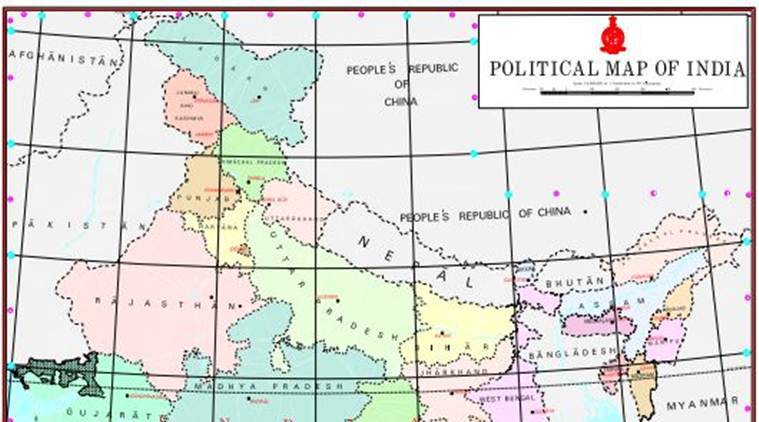
India, Nepal must seek mutually acceptable solutions to controversy over new map Residual revolutionaries of the Left competed with the supposedly pro-India Nepali Congress to castigate India for releasing maps which showed Kalapani at the India-Nepal-China trijunction to the north and Susta to the south as Indian territory........... The notion of boundaries as lines drawn on a map is a recent concept — as is the nation state. This is particularly true in the Subcontinent, where empires and kingdoms shaded into one another across ambiguous frontiers rather than be separated by boundaries marking sovereign jurisdictions.......... territorial nationalism on the Nepali side and an emerging security state on the Indian side........
It is easy to trigger anti-Indian sentiment in the Kathmandu Valley
...... nationalist sentiment can be a potent instrument for political mobilisation....... In Nepal, political groupings of every persuasion have been unable to resist the temptation to conjure up a bullying and overbearing India to present themselves as the fierce custodians of national interest......... These latest maps have nothing to do with Nepal. They were published to reflect the recent bifurcation of the state of Jammu and Kashmir (J&K) into the two new Union Territories of J&K and Ladakh.
There was no change in the depiction of India-Nepal boundary.
....... My own experience has been that the Nepali side raises such issues for rhetorical purposes but is uninterested in following up through serious negotiations. This is what happened with Nepali demands for the revision of the India-Nepal Friendship Treaty. .......... While I was in Nepal as ambassador, a request was made to put the issue on the agenda of the foreign secretary level talks held in 2003 but without any expectation of actual discussion.
When we conveyed our readiness to have a substantive discussion on the treaty revision, the agenda item was dropped by the Nepali side.
........... At the moment, raising these issues as means of hoisting their nationalistic colours is of little risk to the Nepali political parties........ the two countries have managed to settle about 98 per cent of their common border and these are reflected in the 182 strip maps initialed by them. More than 8,500 boundary pillars have been installed reflecting the agreed alignment........ The Kalapani controversy has arisen due to a difference of perception as to the real and primary source of the Mahakali river. The Treaty of Sugauli concluded in 1816 locates the river as the western boundary with India but different British maps showed the source tributary at different places. This is not unusual given the then state of cartographic science and less-refined surveying techniques. We have similar problems regarding the alignment of the McMahon Line on the eastern sector of the India-China border. With regard to Susta, the problem has arisen as a result of the shifting of the course of the river, again a frequent occurrence in rivers shared by neighbouring countries............ There are only two ways to deal with this challenge — either to accept a shifting border as the river itself shifts or to agree on a boundary which remains fixed despite changes in the course of the river. The latter is usually the more rational choice. But such matters require friendly consultations aimed at mutually acceptable outcomes
not emotionally charged grandstanding
............... There are six to eight million Nepali citizens living and working in India.
Bad Ass Nation Threats to Nepal’s national insecurity cannot be underestimated in these perilous times. There are countries with spurious claims to Buddha’s birthplace or who want to purloin a desolate windswept mountain range in northwestern Nepal. ........ The nation needs to be on high alert against expansionist forces which want to take over and overtake us. ...... if we are serious about being taken seriously we cannot pussyfoot around anymore — we must take the bull by the horns of a dilemma. How have other countries that have become pariahs done it? How can Nepal also become notorious and thumb our nose at land-grabbing neighbours?........
The idea is to project ourselves as a Bad Ass nation and punch above our weight.
Show that we, too, can be belligerent, expansionist and have territorial ambitions again. And we must also make it impossible for anyone to launch an invasion of our territory by keeping our highway arteries in such a state of disrepair that even enemy tanks would get bogged down........... Nepal Army’s Cybernetic Warfare Unit to infiltrate Wikipedia to reclaim Darjeeling, Garhwal and Kumaon and Make Nepal Greater Again....... Order a whole bunch of centrifuges to enrich plutonium to build up our nuclear deterrent with an arsenal of atom bums. ....... Resume hostilities where we left off during the Sepoy Mutiny of 1857 and occupy Lucknow. ...... The Nepal Communist Party to declare Nepal a ‘dynamite between two boulders’ ........ Boycott Hindi movies in cinemas — watch pirated ones on Bigflix. ....... The Nepal Army has experience occupying Tundikhel, and the PMO encroached on a whole chunk of real estate in Baluwatar. So, Nepal could easily Sikkimize Sikkim.
The battle for Kalapani India may keep ignoring Nepal’s legitimate claim on Kalapani but it will leave Nepal with the reason to feel hurt, betrayed, angry and aggrieved......... Kalapani, the land area that actually belongs to Nepal but which India has been claiming, occupying and using as its own for many decades. ....... Then came up Kalapani (I use Kalapani as a metaphor here to include all encroachment issues including Susta, Lipulekh, Limpiyadhura and others). ........ Foreign ministry issued a statement objecting to India’s map. India responded by saying Nepal’s claim is invalid.........
Since November 2, Kalapani is the most discussed issue in Nepal’s social media, news media and public spheres.
People are trying to figure out how Kalapani went under Indian occupation........ very few knew about Kalapani until the 1990s. .......
We do not actually know when exactly Indian forces entered and set up the camps in Kalapani.
....... Shailendra Kumar Upadhyay who argues that “nationalist like King Mahendra, who had made the courageous decision to drive away Indian check posts” could never have given consent to India “to deploy its troops at Kalapani.” ......... we do not have adequate literature on Kalapani, and we are losing all those who knew Kalapani issue better and who worked with King Mahendra: Kirti Nidhi Bista, Surya Bahadur Thapa, Rishi Kesh Shah, Shailendra Kumar Upadhyay to name a few. ....... We are soon going to reach a point when we will have nobody to ask about Kalapani......... When Indian troops were removed from northern border points in 1969....... It is uncommon in Nepal for all parties to come together for a national cause. But this time around, every single party has the same voice about Kalapani. Even Madhesi parties, which have traditionally maintained silence on India’s highhandedness, attended the all-party meeting called by the prime minister on November 9 and came out with one voice: Kalapani, Lipulekh and Limpiyadhura are Nepali territories and Nepal should convince India to forgo its claims on them through diplomatic and political channels. ......... Nepali Congress president Sher Bahadur Deuba has alleged that PM Oli gave consent to India to include Kalapani in its map. He may have thought saying so would help win some votes........ India, apparently, thinks protests in Nepal are provoked by anti-India elements.
Indian media is giving off the tone of shock and bewilderment.
“How come Nepal, India’s friend, become naraaj with India all of a sudden?” They point to Pakistan and China. ...........
Yes, there are reports of encroachment from the Chinese side. Nepal should talk to China, hopefully, it will. But encroachment from the north and Kalapani are apples and oranges.
.......... They have built the narrative that Kalapani is the test of K P Oli’s nationalism, that he is going to fail this test and that his nationalist credentials are going to be exposed......... Extremists say retaliate, even go to the war. Others have always stressed on diplomacy, political conversation at the highest level and trust building. ........ If Kalapani is a strategic location for India, it is so for Nepal too. Geopolitics is an unpredictable game. Besides, for a large nation like India—22nd times larger than Nepal—a small strip here and there, some square meters and kilometers here and there might not matter much. For Nepal, every inch of land is priceless. ......... India has easy choices. Listen to Nepal.
Kalapani: Then And Now Nepal claims that the river to the west of Kalapani is the main Kali whereas India claims ridgeline to the east of Kalapani as the border. This timeline shows the major incidents happened with this unsolved puzzle.